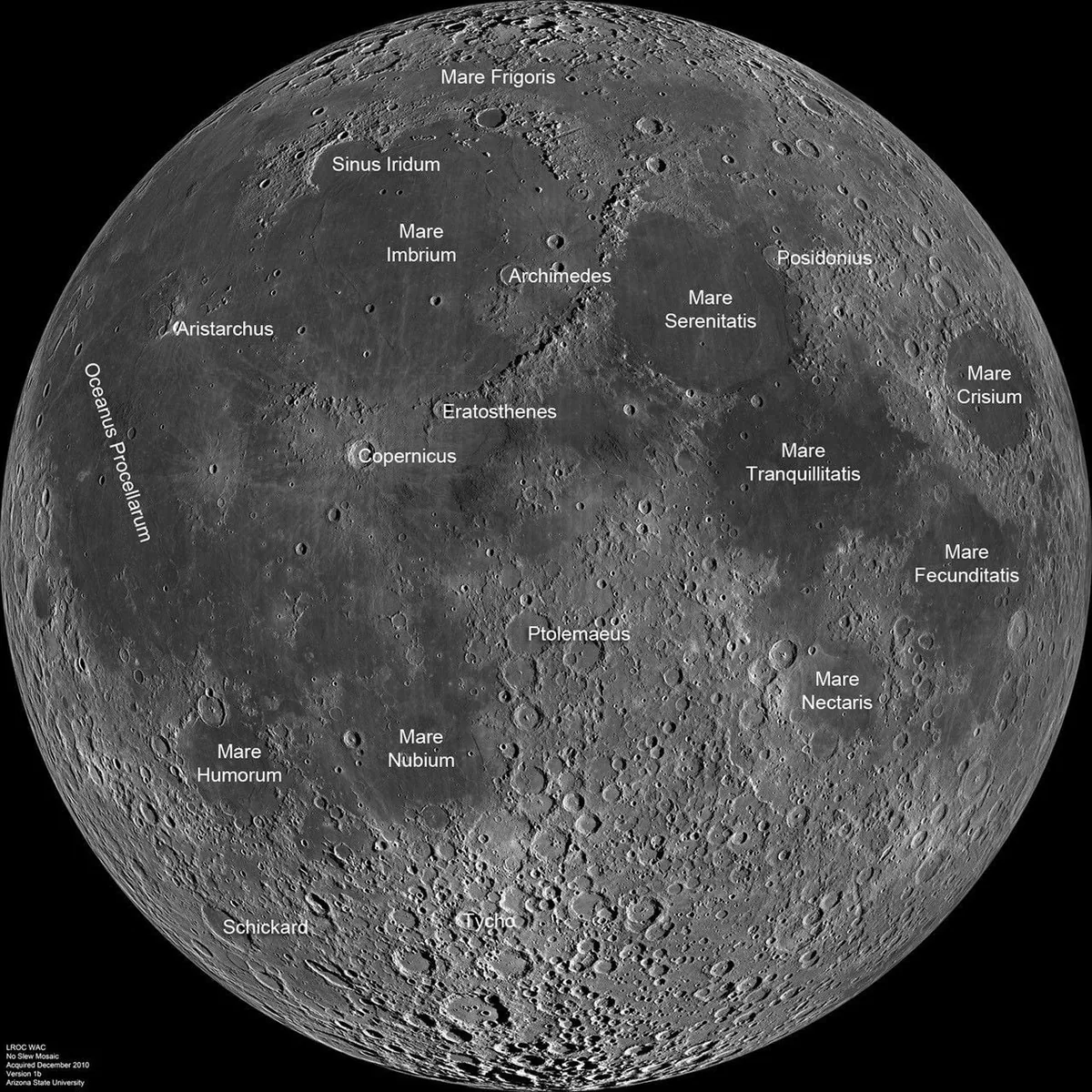
Early Lunar Structure and the Chang'e-5 Discovery
According to traditional physics models, the Moon should have cooled rapidly after forming from a giant protoplanet impact with the early Earth about 4.5 billion years ago. However, lunar samples returned by the Chang'e-5 mission surprised scientists by revealing volcanic materials that formed only two billion years ago.
Tidal Heating as an Explanatory Mechanism
This raised the question of how a world expected to be geologically quiet remained hot enough to produce volcanic activity more than two billion years after its birth. A new paper by Miao Chen of Chengdu University of Technology and colleagues, published in the journal Planet, proposes tidal heating as the primary explanation. Gravitational interactions with Earth generated internal heat to sustain volcanism.
Implications for Planetary Science
This explanation could transform current models of planetary thermal evolution and internal cooling histories. Future analytical work on lunar samples will further illuminate how Earth's gravitational force shaped the Moon's geological evolution over billions of years.

Comments
Loading comments...