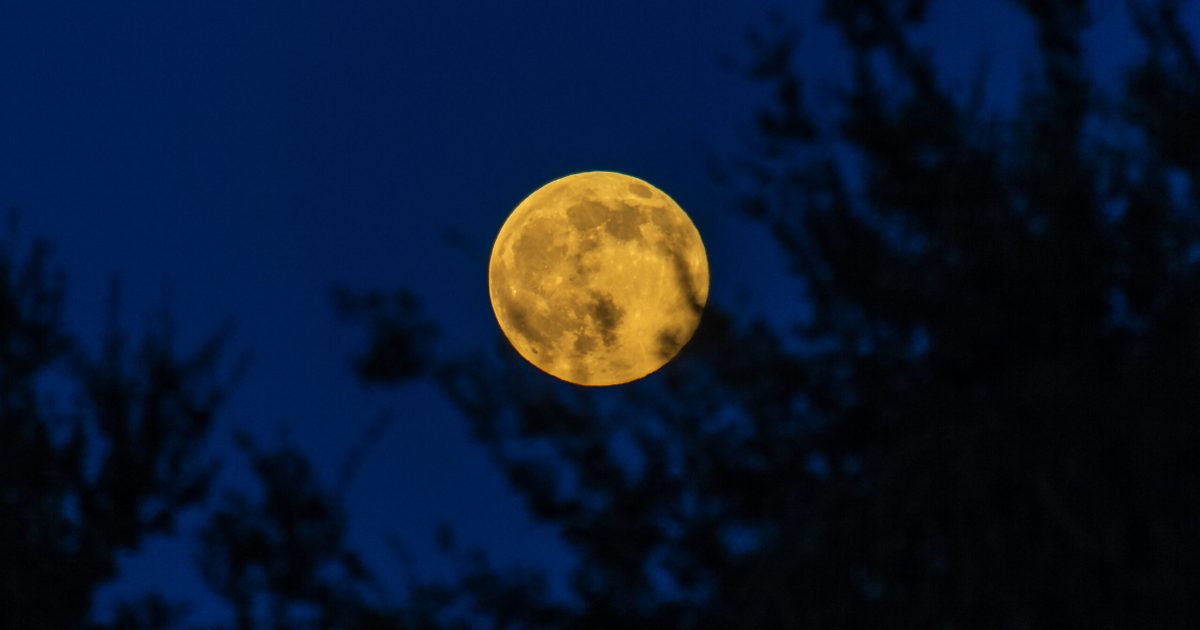
The Orbital Geometry of the Full Moon
A Full Moon emerges when Earth is positioned precisely between the Sun and the Moon. This specific alignment allows sunlight to illuminate the entirety of the lunar hemisphere facing our planet, creating a brilliant and fully rounded celestial spectacle in the night sky.
Reflection Angles and Surface Illumination
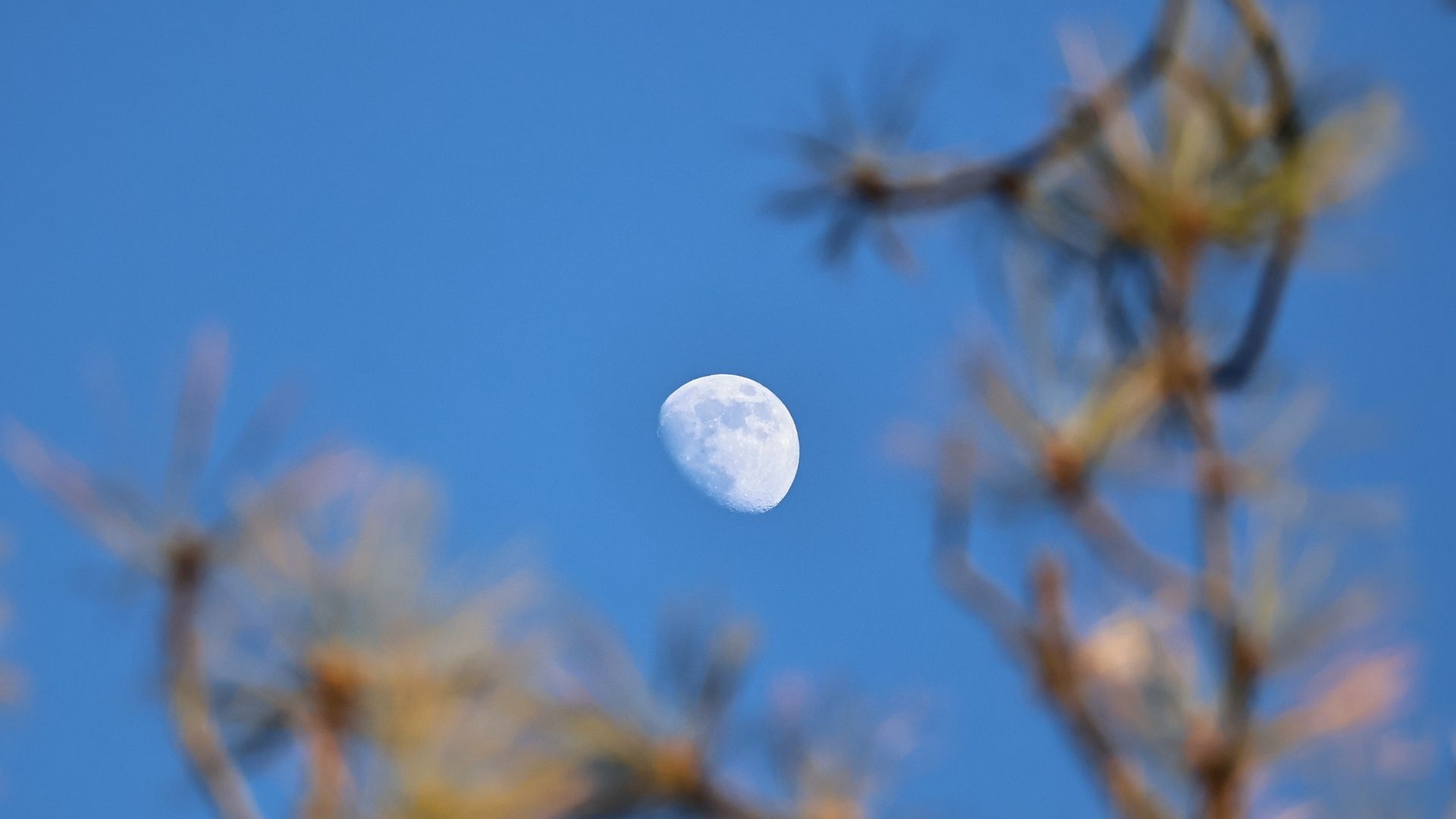
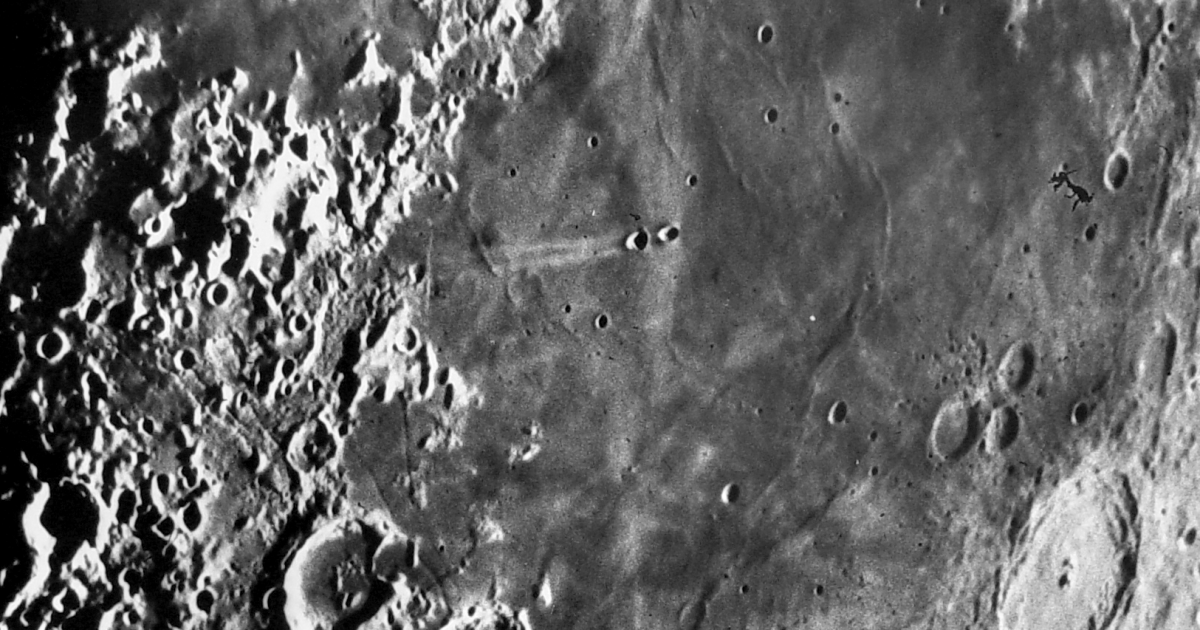
As the Moon completes its orbital transit around Earth, the incidence angle of incoming solar radiation continuously shifts. This recurring movement dictates the progression of lunar phases and governs the brightness and reflective contrast visible across lunar regolith, plains, and crater rims.
Observational Outlook for 2026
The 2026 full moon schedule provides valuable viewing windows for both casual skywatchers and amateur astronomers. Understanding the precise timing of these alignments allows observers to plan astrophotography sessions and examine surface geology under peak lunar illumination throughout the coming year.

Comments
Loading comments...