A Waxing Crescent Flanked by Scorpius and Sagittarius
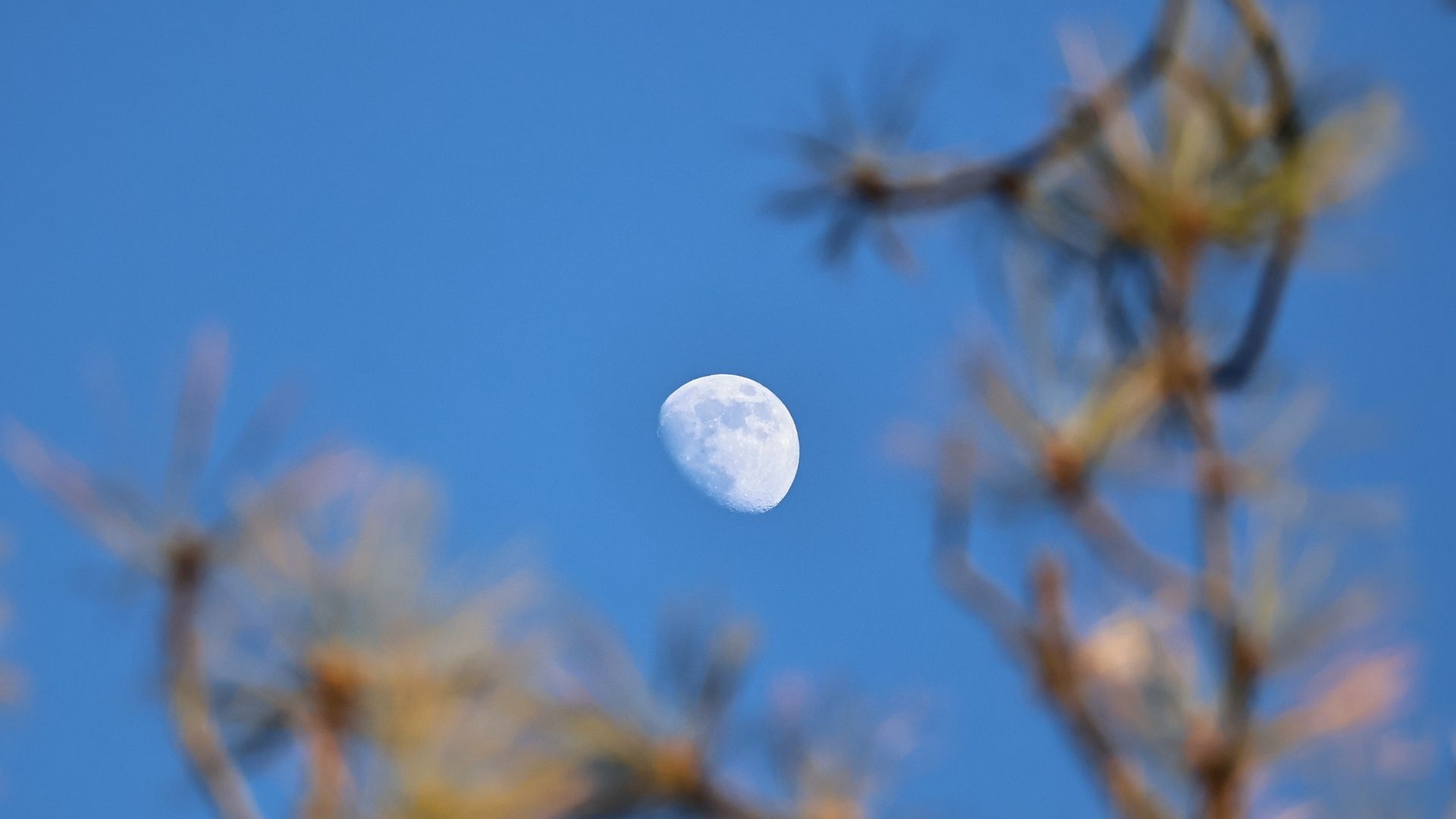
Skywatchers are offered a compelling observing window just an hour after sunset in the southwestern evening sky. The waxing crescent Moon hangs gracefully low, positioned directly above the spine of Scorpius and just off the spout of the famous 'Teapot' asterism in Sagittarius. This celestial arrangement provides both naked-eye observers and binoculars users with a clear orientation marker to navigate bright constellations and explore delicate features emerging along the lunar terminator.
Double Crater Messier and the Io-Callisto Occultation
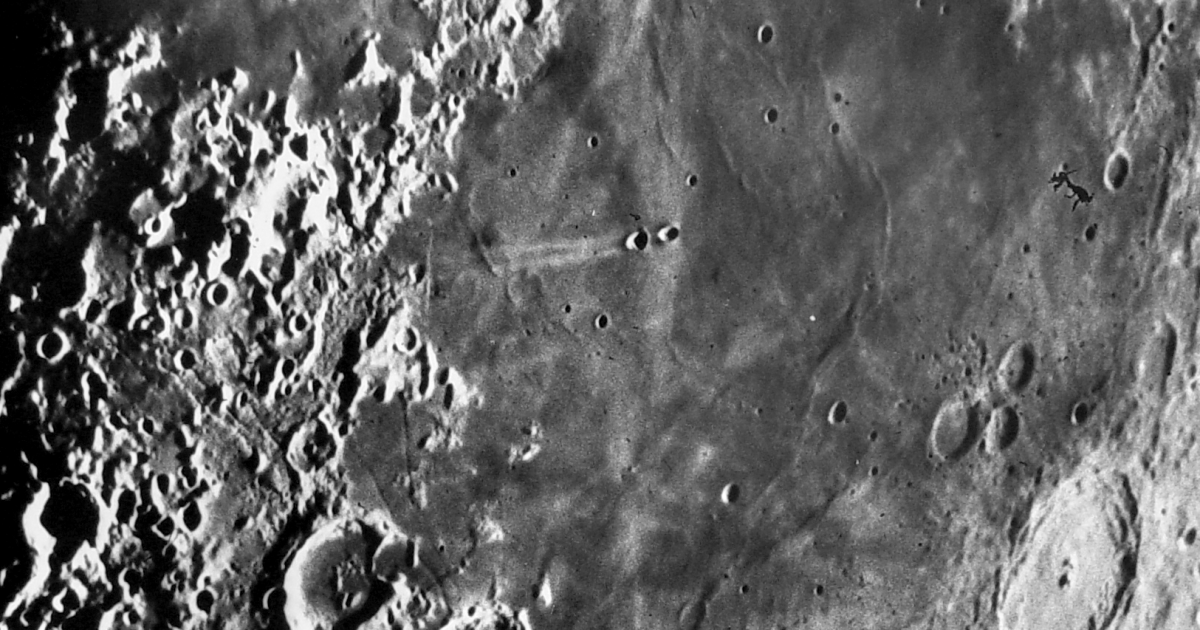
Telescopic observers turning their instruments toward the lunar surface can zoom in on the smooth expanse of the Mare basin to reveal the distinctive Messier double crater. Known for its elongated structure and asymmetric ejecta rays resulting from an oblique meteorite impact, Messier represents one of the most intriguing impact formations on the Moon. Simultaneously, the Jovian system offers its own dynamic event as volcanic Io passes directly in front of Callisto, occulting the distant icy moon in a subtle yet precise display of orbital mechanics.
Observational Significance and Celestial Mechanics
Mutual events involving Jupiter's Galilean moons have long played an invaluable role in refining ephemeris calculations and measuring gravitational interactions between planetary bodies. On the Moon, observing crater formations under low-angle sunlight provides insight into impact dynamics, subsurface ejecta distribution, and lunar soil characteristics. Tracking these combined events offers amateur astronomers and researchers alike an exceptional opportunity to witness the continuous movement of celestial bodies within our Solar System.
Comments
Loading comments...