A New Era in Human Lunar Exploration and China's Roadmap
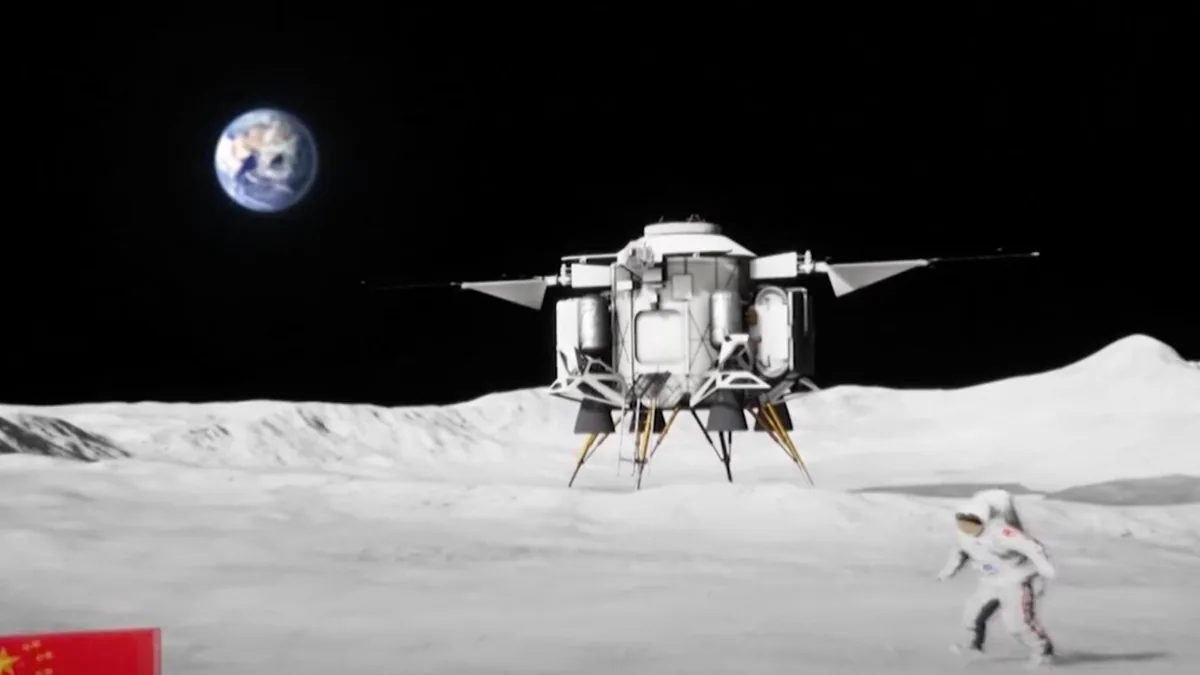
Competition in global space exploration is reaching a new dimension. China has announced its comprehensive roadmap to land astronauts on the lunar surface before the year 2030. This major milestone underscores the country's advancing technological capabilities and its long-term determination in lunar research. Technical developments regarding heavy-lift rockets and crewed landing modules are progressing rapidly to meet this goal.
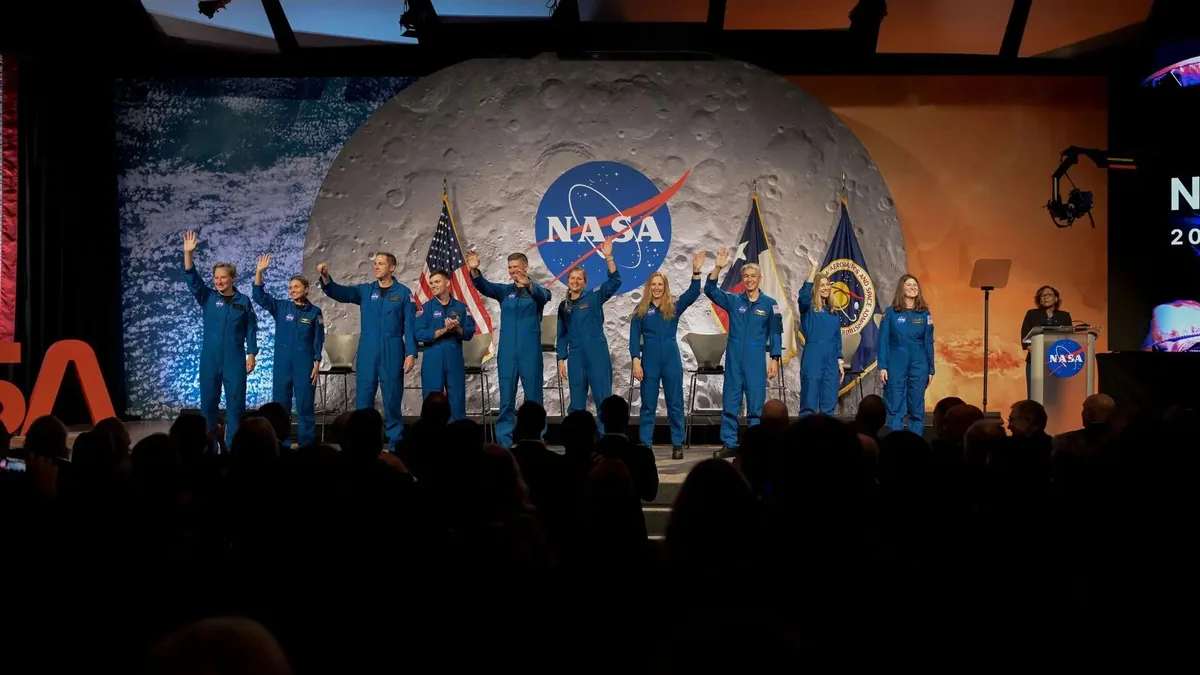
Meanwhile, NASA continues to push forward with its own human lunar exploration timeline, aiming to achieve a crewed landing on the Moon by 2028. The close target dates set by both space-faring nations highlight the intensifying nature of the modern space race and the drive to establish a sustained human presence beyond Earth.
Mission Strategies and Technical Milestones
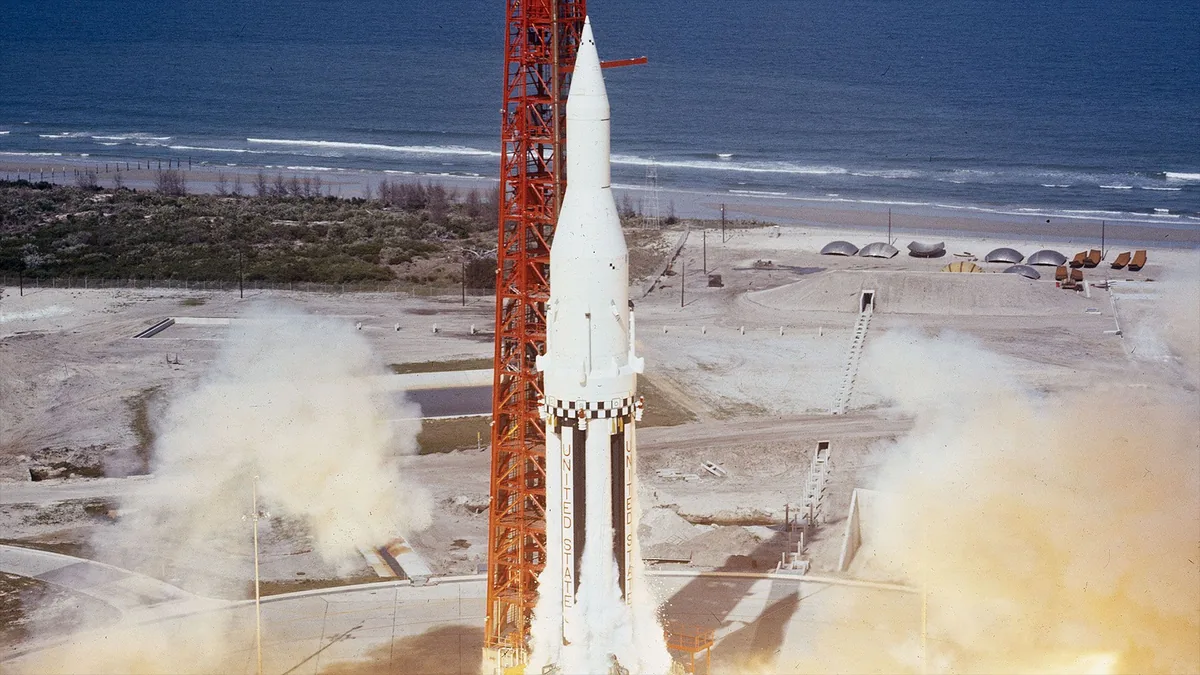
Achieving a successful human lunar landing requires flawless engineering, ranging from powerful launch vehicles to specialized landing and ascent vehicles designed to keep astronauts safe. China's detailed roadmap outlines the necessary orbital operations, surface navigation strategies, and launch infrastructure required before the 2030 deadline.
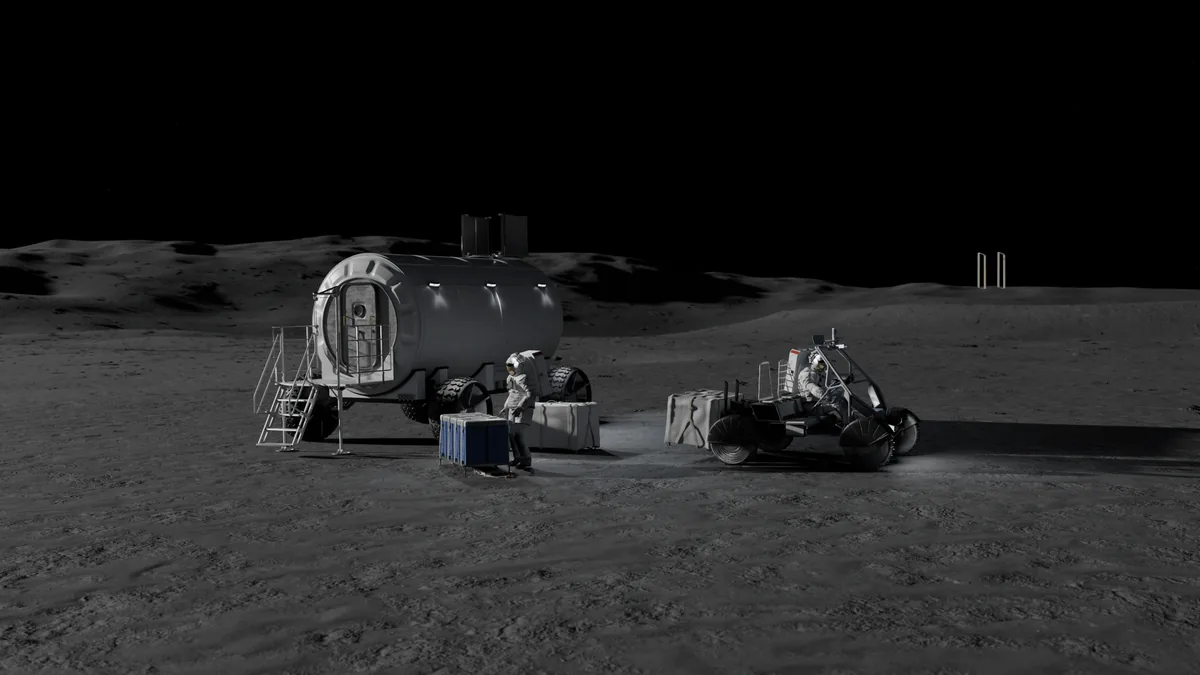
NASA's 2028 objective similarly demands rigorous testing of spacecraft systems and mission architecture. Both programs aim to deploy scientific payloads on the Moon, enabling researchers to study lunar geology, space weather, and the physical constraints of operating on another world.
Scientific Significance and Future Outlook
Returning humans to the Moon holds immense scientific value for planetary science and astrophysics. Direct human exploration allows for advanced sample collection, complex field studies, and the testing of critical life-support infrastructure necessary for future deep-space endeavors.
As the projected target dates of 2028 and 2030 approach, testing phases and precursor missions will provide clearer insight into the execution of these lunar roadmaps. These efforts mark a historical transition toward continuous human activity in cis-lunar space.
Comments
Loading comments...