One of the Most Ancient Martian Relics Found on Earth
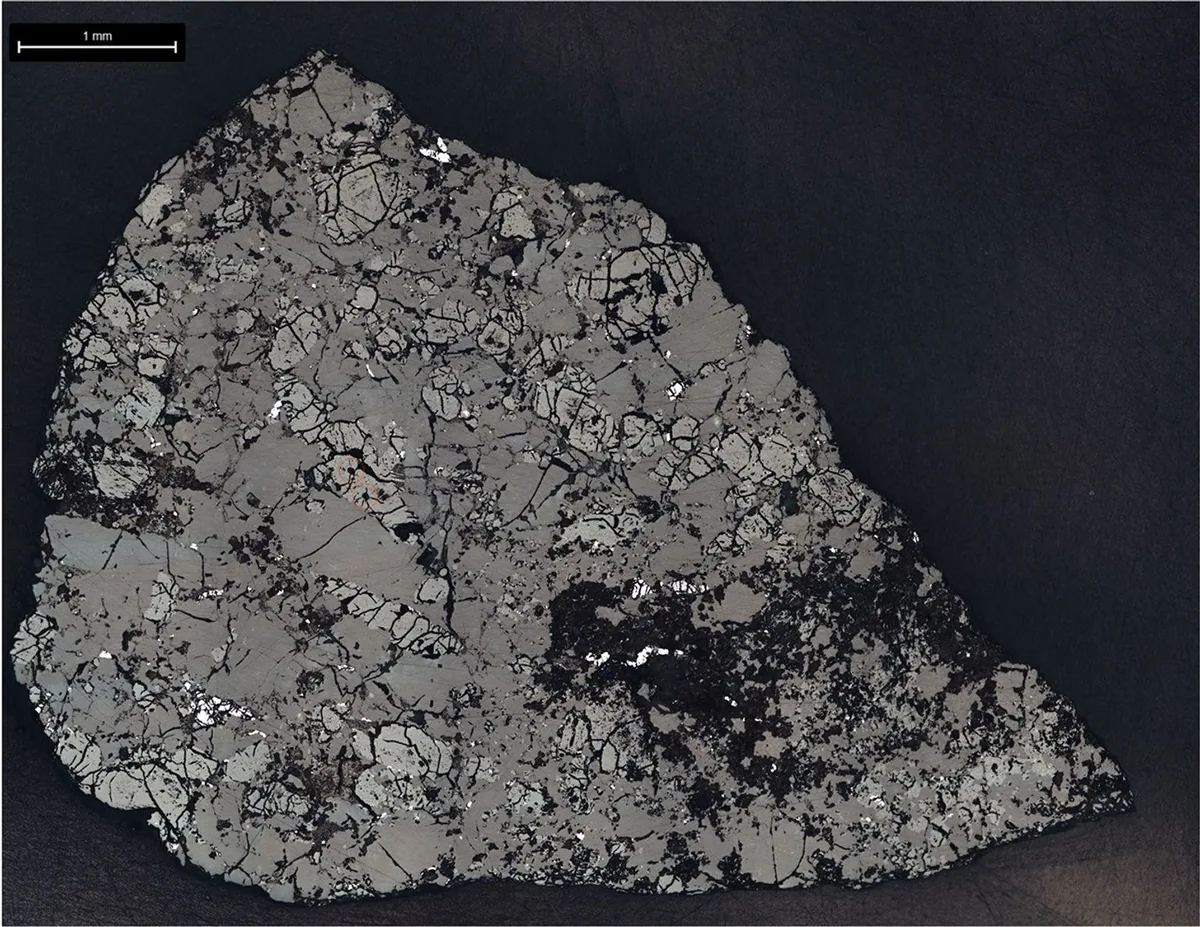
Planetary scientists are delving into the laboratory examination of Teghaza 001, recognized as one of the oldest Martian meteorites ever discovered on Earth. Visual data released by NASA showcases a finely prepared cross-sectional slice of the specimen, providing researchers with direct physical evidence from the earliest chapters of Mars's geologic history. The pristine sample offers rare, ground-truth insight into planetary conditions that predate modern geological activity on the Red Planet.
Reflected Light Imaging as a Scientific Roadmap
To determine the definitive age and composition of the rock, researchers rely on reflected light images of the slice. These specialized optical datasets serve as an indispensable navigation map for scientists, pointing directly to zones and minerals of scientific interest. By locating target mineral grains on these maps, teams can accurately deploy sophisticated analytical instruments, such as electron microprobes and spectrometers, to probe the meteorite's microscopic chemical fingerprints.
Deciphering the Geological Evolution of Mars
Meteorites like Teghaza 001 represent the only available physical samples of Martian crust on Earth pending the return of cached samples from active rover missions. Deciphering the petrology and crystallization history preserved within this ancient slice enhances evolutionary models of the Martian mantle and crustal development. The continuing study will guide ongoing interpretations of the Red Planet's volcanic and magmatic past across billions of years.
Comments
Loading comments...