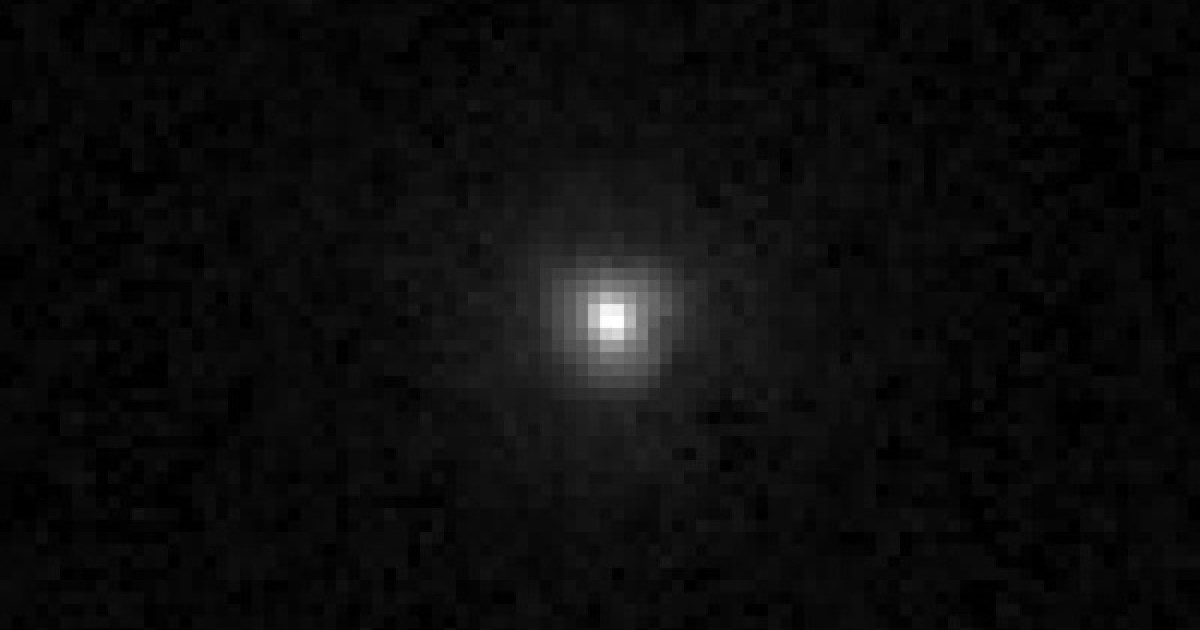
The Serendipitous Discovery at Palomar Observatory
On October 18, 1977, astronomer Charles Kowal was observing with the 1.2-meter Schmidt telescope at California's Palomar Observatory. While operating what was reportedly his favorite instrument at the facility, Kowal was conducting a systematic survey designed to search for slow-moving objects positioned far beyond the Main Belt.
Observational Plates and Motion Analysis
By comparing two photographic plates taken of the same celestial coordinates, Kowal spotted a faint object exhibiting an unusually slow rate of apparent motion. Subsequent astrometric measurements revealed that this body, named Chiron, orbited in an unconventional region between the outer gas giants, defying classification as a typical asteroid.
Defining Centaurs and Solar System Dynamics
The discovery of Chiron effectively established a brand new class of Solar System objects later dubbed Centaurs. Displaying dual traits of both asteroids and comets, these hybrid bodies provided crucial evidence that the outer Solar System possesses an active, transitional population shaped by complex gravitational perturbations.




Comments
Loading comments...