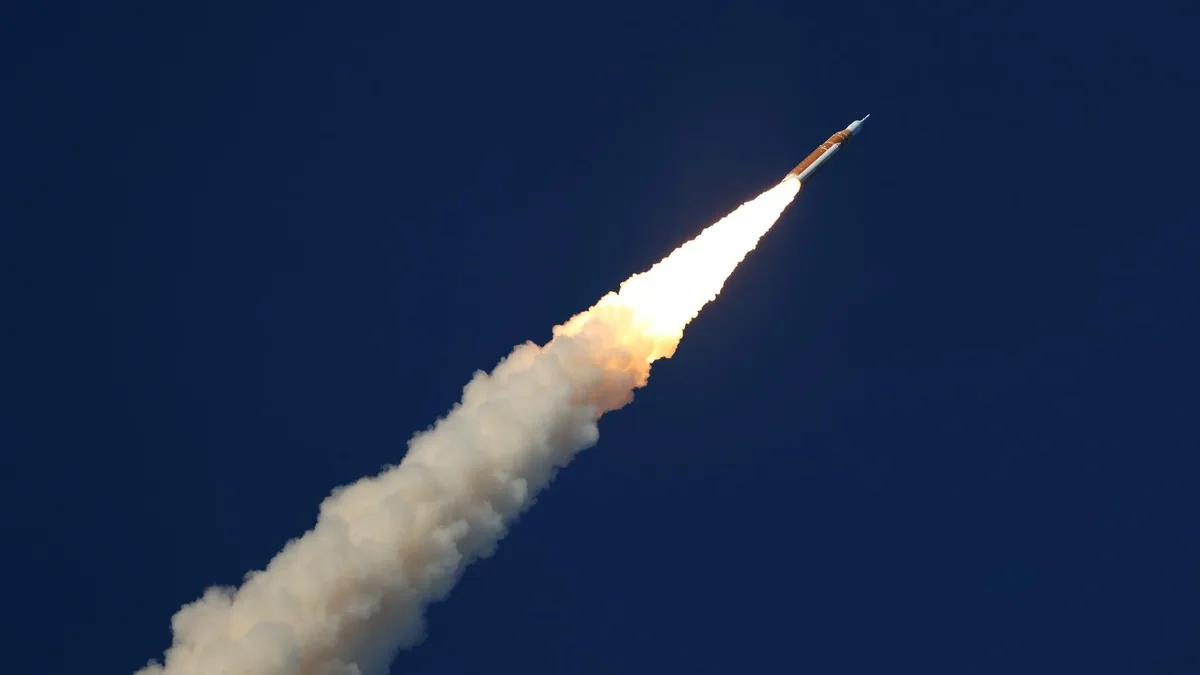
The Artemis II Launch and the Upper Atmosphere Rupture
The launch of NASA's Artemis II moon mission created a massive hole in Earth's upper atmosphere. The immense energy generated as the rocket ascended through the atmospheric layers led to noticeable environmental and technological disruptions.
Disruption and Interference in GPS Signals
The massive opening formed in the upper atmosphere directly impacted the transmission of Global Positioning System (GPS) signals, causing widespread interference. Measurements following the event highlighted how high-powered space launches can significantly alter upper atmospheric dynamics.
Potential Consequences for Autonomous Vehicles and Drones
Experts emphasize that such atmospheric disruptions could have a strong impact not only on self-driving cars but also on drone positioning systems. Further research is planned to monitor how future heavy-lift rocket launches might affect critical navigation technologies.
Comments
Loading comments...