
A Spectacular Meeting of Two Planetary Neighbors
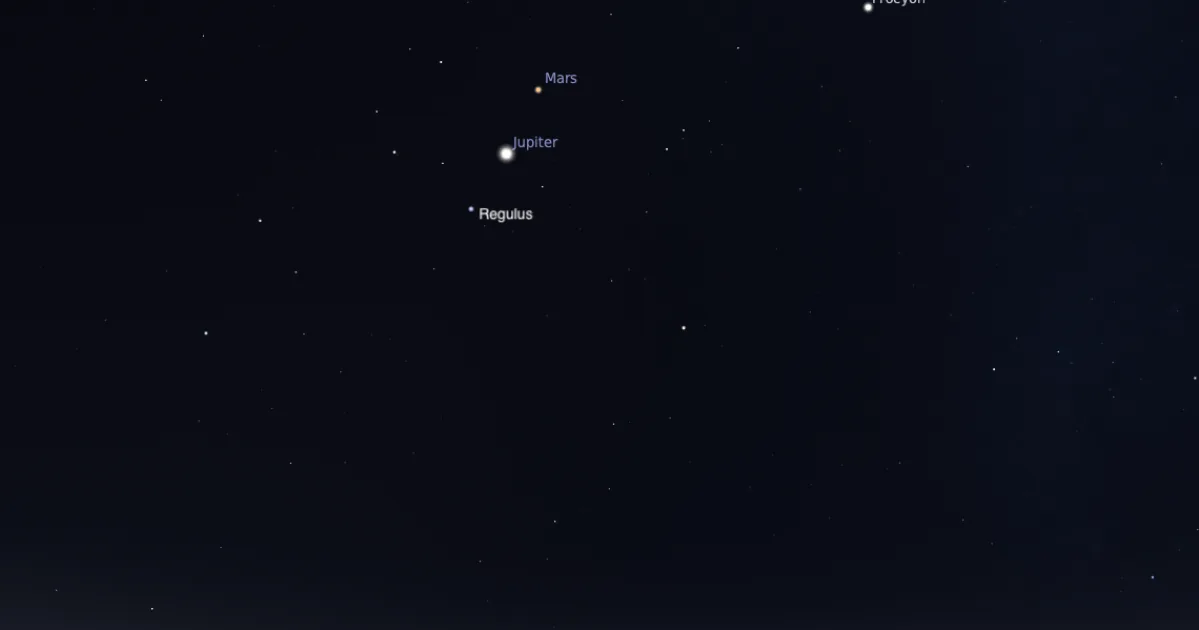
Two prominent worlds of our solar system, Mars and Jupiter, are aligning closely in the night sky overnight on November 15-16. This conjunction between the Red Planet and the solar system's largest gas giant provides a captivating visual opportunity for both amateur stargazers and professional astronomers. Driven by their respective orbital paths around the Sun, the two worlds will appear remarkably close when viewed from our terrestrial vantage point.
Observation Geometry and Angular Measurements
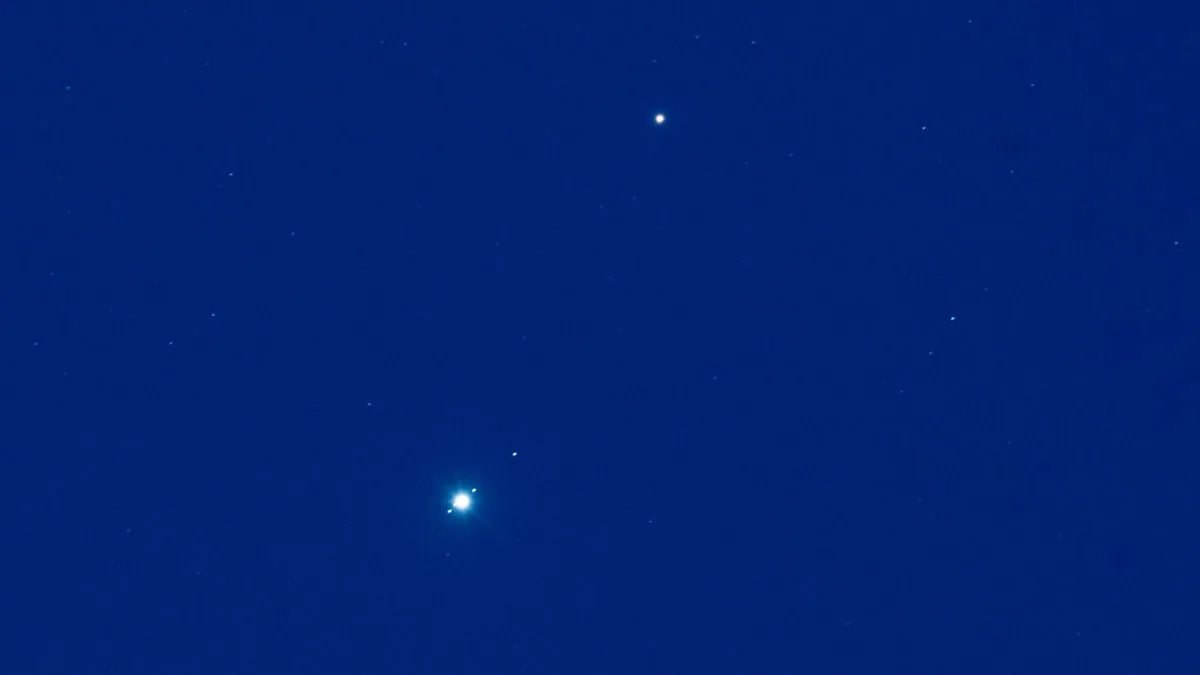
Astronomical calculations indicate that Mars will shine just over 1 degree away from Jupiter during the overnight hours of November 15-16. In observational astronomy, an angular separation of roughly 1 degree is comparable to approximately half the width of an index finger held at arm's length. This tight proximity means both celestial bodies can easily be framed within the same field of view using standard binoculars or a low-magnification telescope. Jupiter's steady white brilliance contrasted against the distinct reddish hue of Mars will offer a vivid aesthetic display throughout the night.
Significance of Planetary Conjunctions
While planetary conjunctions are purely line-of-sight optical alignments rather than physical encounters—hundreds of millions of kilometers actually separate Mars and Jupiter—they serve as powerful demonstrations of celestial mechanics. These events highlight the predictable precision of planetary orbits and allow educators and astronomers to track orbital dynamics in real time. Observing this close approach provides practical insights into sky geometry and presents an exceptional target for astrophotographers worldwide.
Comments
Loading comments...