astronews
Settings My profile TR

AAImportance

Euclid Telescope Discovers the Farthest Quasar from 630 Million Years After Big Bang

Original title (Turkish): Euclid teleskobu, Büyük Patlama'dan 630 milyon yıl sonrasına ait kuasarı keşfetti

Euclid Telescope Discovers the Farthest Quasar from 630 Million Years After Big Bang
Image: AA

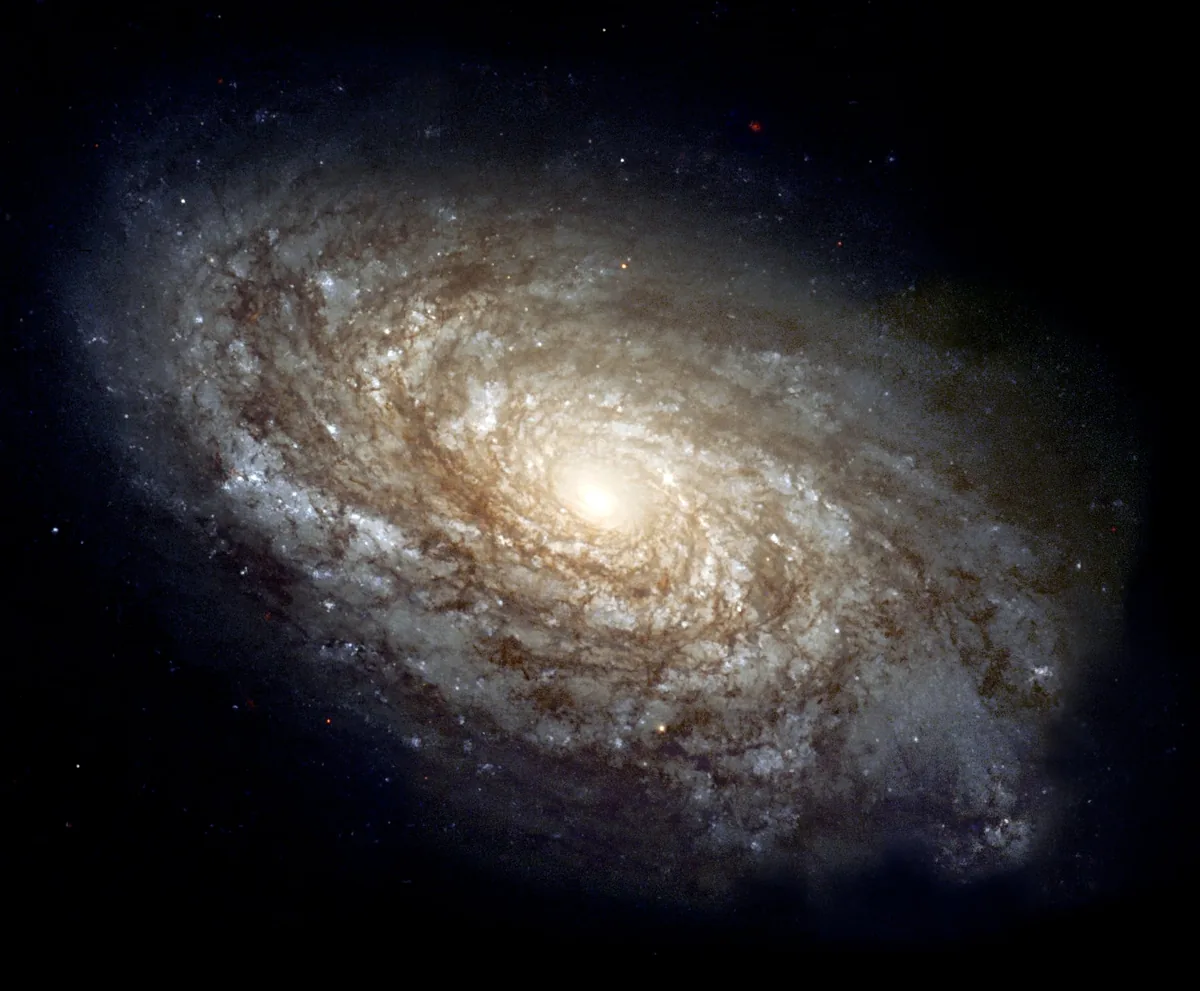
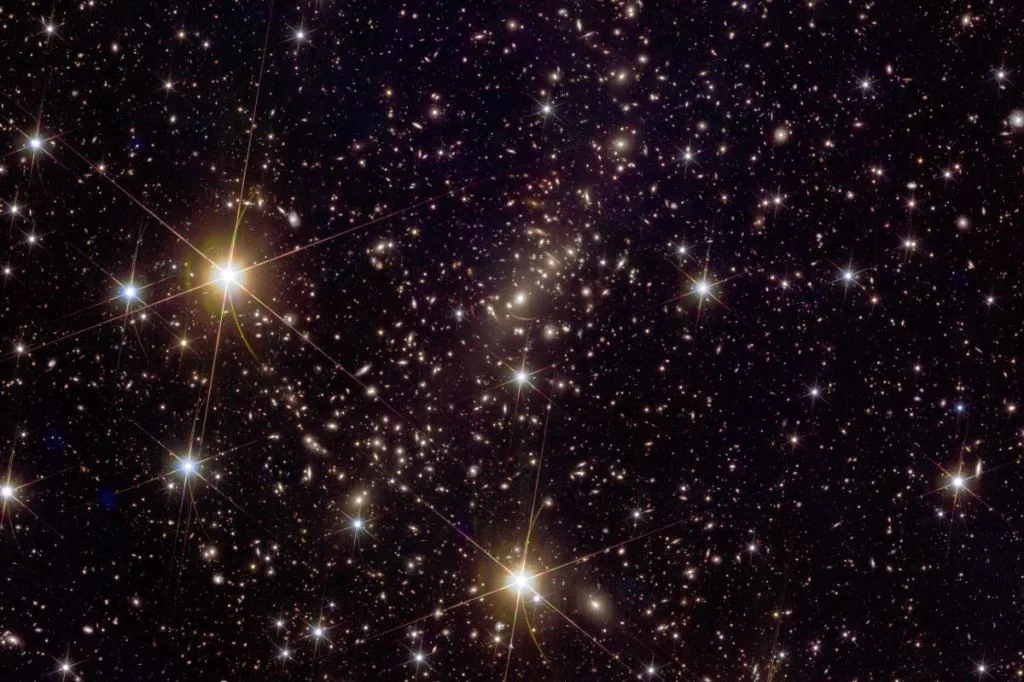
ESA's Euclid Space Telescope has discovered the most distant quasar ever detected, existing just 630 million years after the Big Bang. The discovery offers key insights into cosmic evolution.

The Euclid Telescope and Early Universe Discovery

The European Space Agency's (ESA) Euclid Space Telescope has made a historic discovery in deep space observations. Examinations conducted under the mission revealed the most distant quasar ever detected, which existed when the universe was in its infancy.

Observation Details and the Early Cosmic Epoch

The collected data shows that this luminous active nucleus existed approximately 630 million years after the Big Bang. The extreme distance of the quasar and the light-travel time provide technical insights into the early cosmic environment.

Scientific Significance and Future Observations

The detection of the farthest quasar is considered a critical step in understanding the formation processes of early galaxies and supermassive black holes in cosmology. Subsequent observations by Euclid are expected to shed further light on the history of cosmic expansion.
Read at source
Comment

Something wrong with this story? Report it

Comments

Loading comments...

Choose your city

Sunrise, sunset and the sky chart follow the city you choose.

Pages

NewsFeedSkyObservatorySpacecraftGalleryAcademicAssistantThe weekArchiveAboutMy profileSettings

Topics

Solar SystemMarsMoonSunExoplanetsStarsGalaxiesBlack holesCosmologyComets & asteroidsTelescopesMissionsSky eventsSearch for lifeTürkiye

Legal

Terms of UsePrivacy PolicyKVKK NoticeCookie PolicyPrivacy PreferencesFeedback