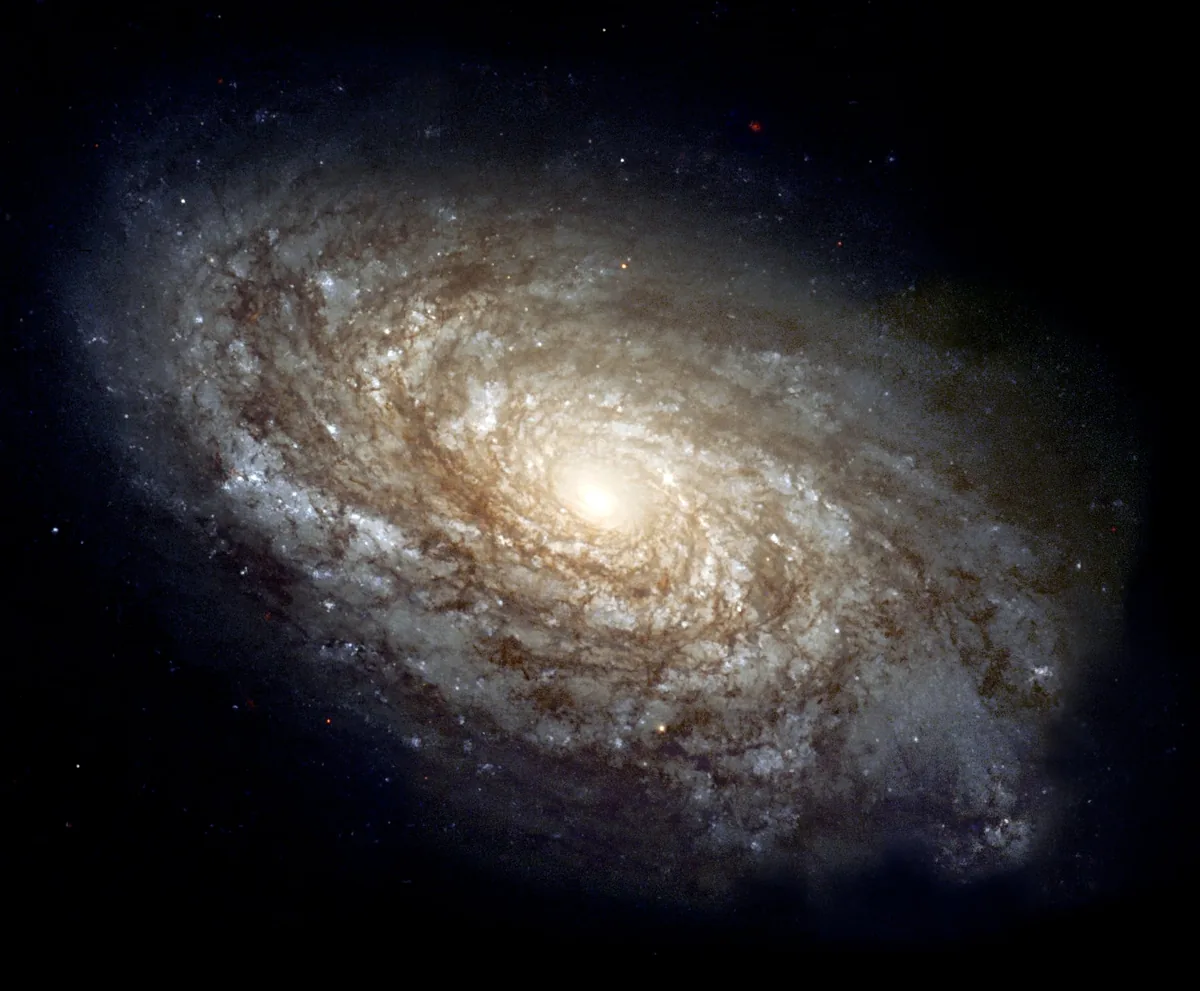
Discovery of Galactic Processes with the James Webb Telescope
NASA's advanced James Webb Space Telescope continues to add new dimensions to our understanding of galactic evolution and structure. Recent observations reveal that massive gaseous outflows within galaxies directly regulate star formation rates. This mechanism stands out as one of the primary factors shaping a galaxy's long-term evolution.
Analysis of Gas Outflows and Star Formation
Massive gas outflows directed outward from galactic centers alter the raw material balance necessary for star formation. Observational data demonstrate a direct interaction between the intensity of these gas outflows and the birth of new stars. The expulsion or redistribution of gas creates conditions that slow down or halt star-forming processes.
Galactic Habitability and Cosmic Evolution Models
A galaxy's ultimate habitability is closely linked to these gas outflows that regulate star formation. Sustaining star formation in a balanced manner is crucial for system stability and potential planet-hosting capacity. These new findings will allow researchers to refine models of galactic growth and cosmic evolution.
Comments
Loading comments...