A Major Milestone in the Hunt for Dark Matter
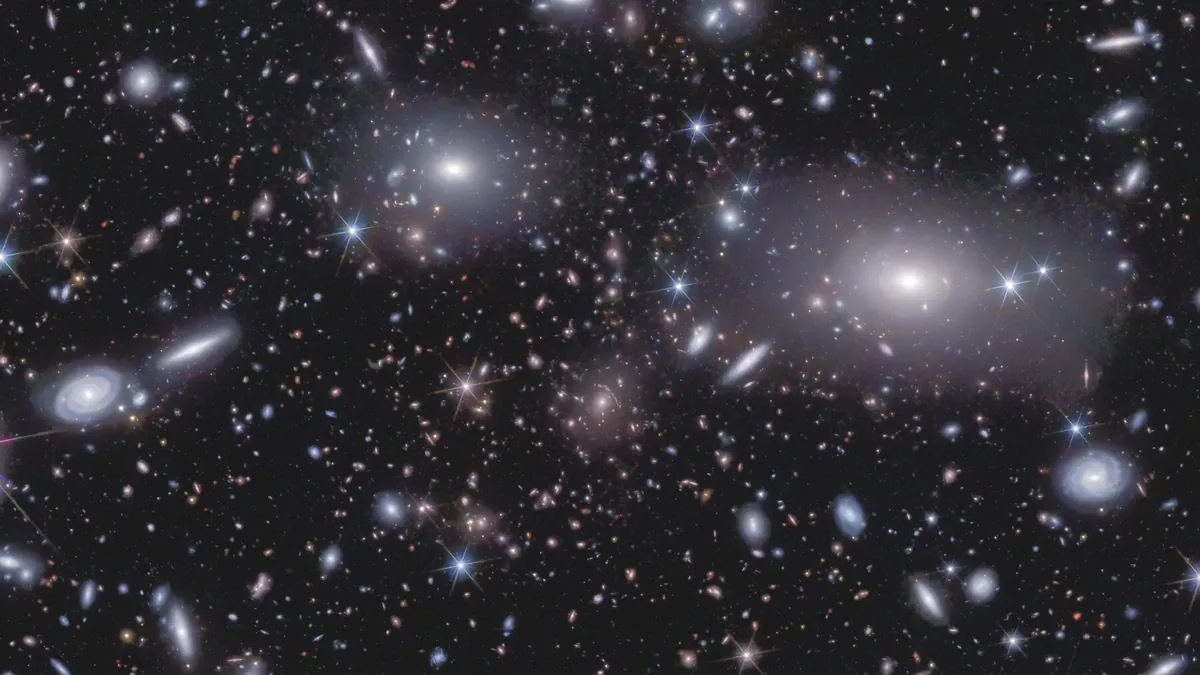
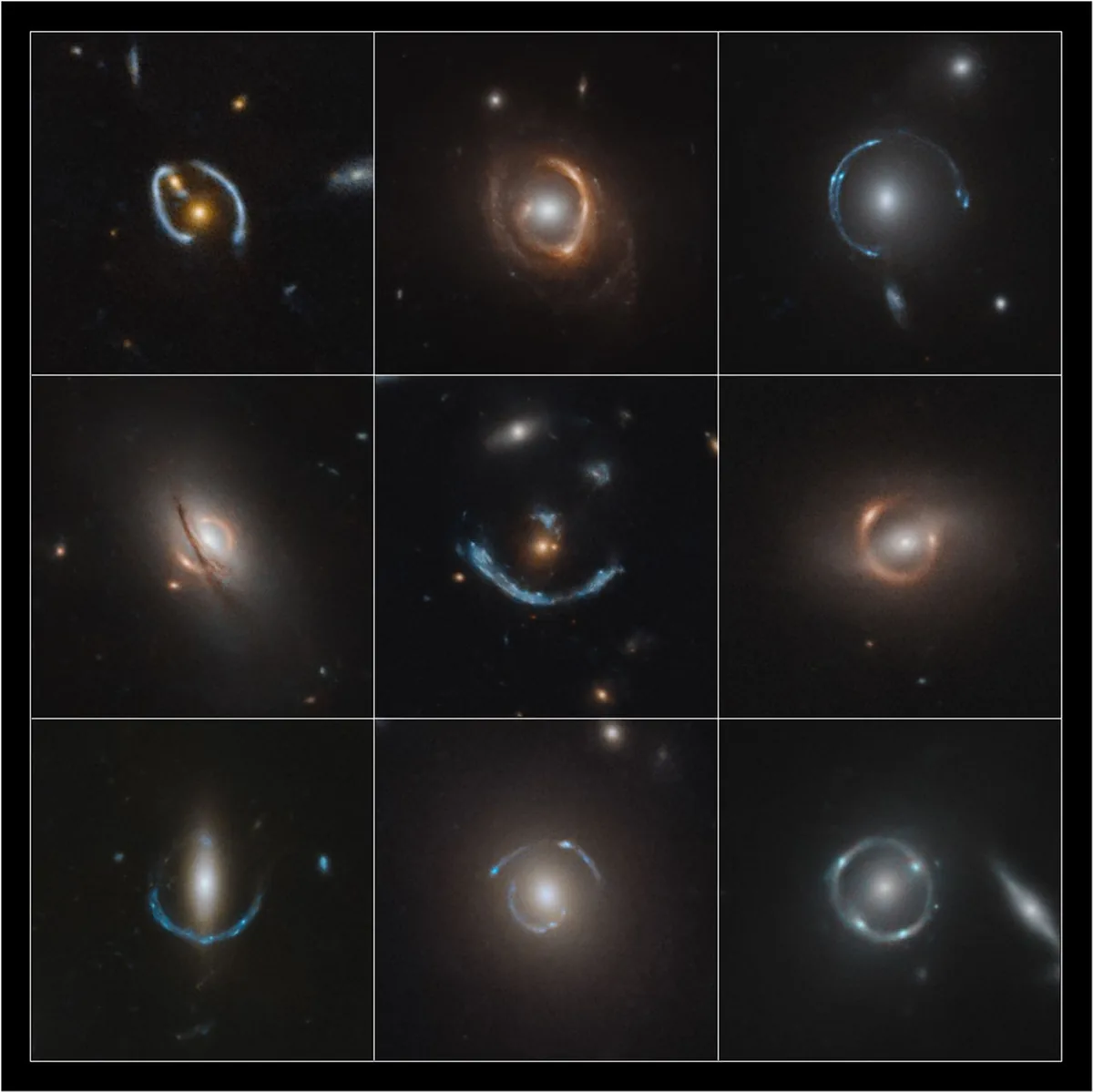
Designed to map the invisible components of the cosmos, the Euclid space telescope has provided astronomers with unprecedented data. Researchers from the University of British Columbia (UBC) contributed to the discovery of 15,000 new strong gravitational lens candidates. This monumental collection represents the largest catalog of its kind and provides scientists with a vital tool to investigate the elusive nature of dark matter.
Detecting Cosmic Magnifying Glasses
Strong gravitational lensing occurs when the mass of a foreground galaxy warps the fabric of spacetime, magnifying and distorting the light from background objects like a massive cosmic lens. Utilizing Euclid's broad coverage and high-resolution imaging capabilities, researchers scanned deep space to pinpoint these rare geometric alignments. The UBC team played a key role in analyzing the telescope's data to compile this vast repository of lens candidates.
Implications for Cosmology and Future Observations
This massive influx of newly identified lenses equips researchers with essential cosmic laboratories to probe mass distributions and refine models of cosmic evolution. By analyzing these natural magnifying glasses, upcoming observational campaigns will reveal distant, otherwise invisible galaxies while shedding light on the fundamental behavior of dark matter across cosmological time.
Comments
Loading comments...