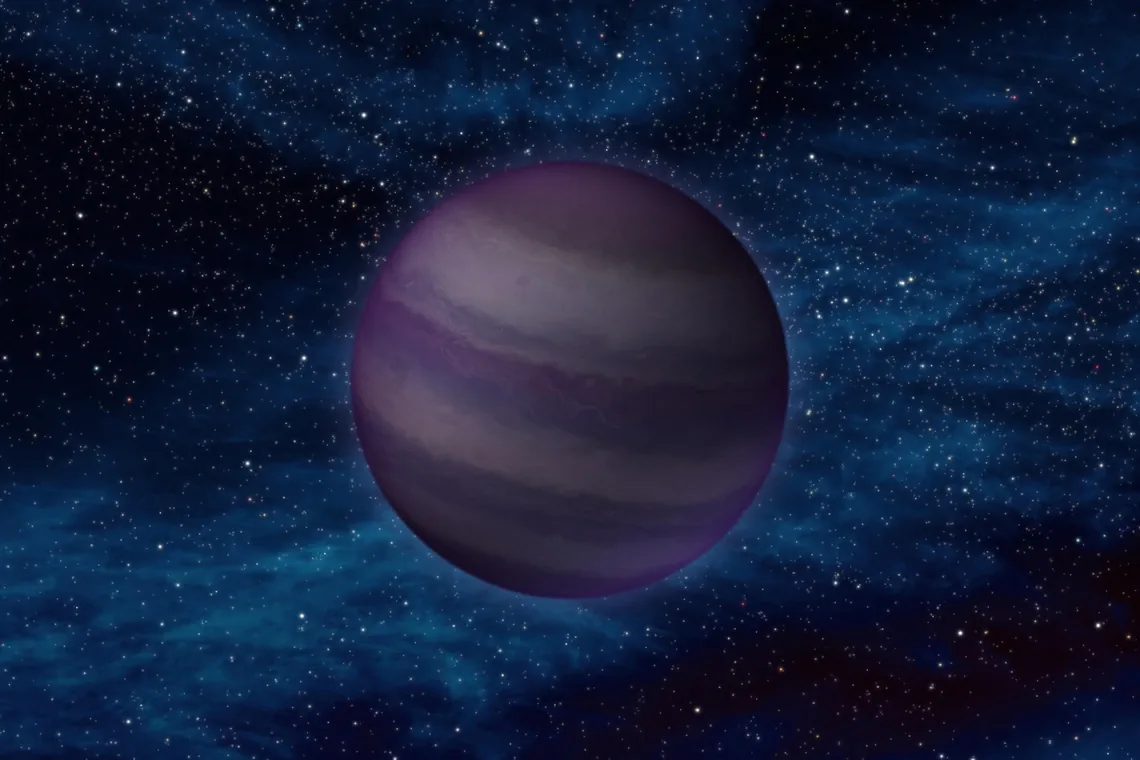
Bridging the Gap Between Stars and Planets
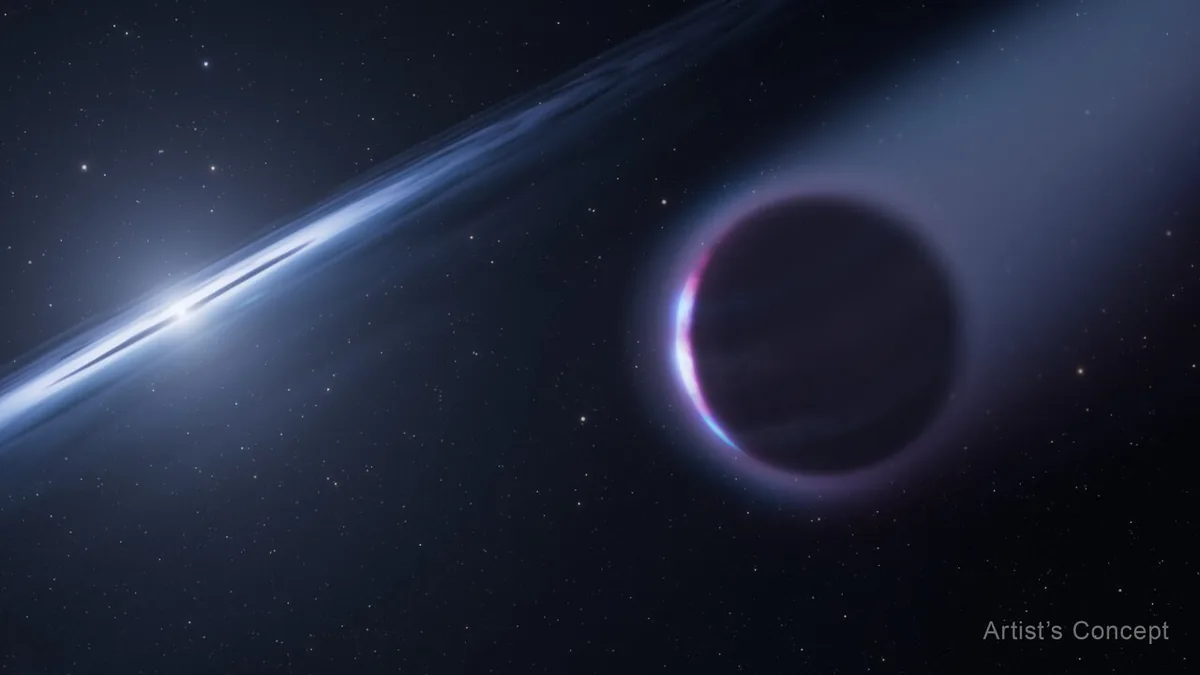
Astronomers typically classify celestial bodies into shining stars powered by nuclear fusion, or planets categorized as rocky worlds and gas giants. However, a third category of objects exists that fits neither description and has no counterpart in our solar system: brown dwarfs. Often dubbed "failed stars," these enigmatic objects collapse from gas clouds like true stars do, but lack sufficient mass to ignite sustained core fusion while remaining far more massive than standard planets.
Infrared Tracking with JWST
A research team led by Brittany Miles of the University of Arizona turned the keen infrared eyes of the James Webb Space Telescope toward the coldest known brown dwarf. JWST's high-precision instruments enabled the team to track churning gases and shifting clouds of water ice swirling across the object's cold atmosphere. The observations capture detailed variations in brightness, uncovering a dynamic and constantly changing weather system.
Implications for Exoplanetary Atmospheres
The discovery of moving water-ice clouds demonstrates a striking atmospheric parallel between ultra-cold brown dwarfs and gas planets found within our own solar system. Because brown dwarfs sit isolated in space without blinding parent stars, they serve as pristine natural laboratories for studying cloud formation and complex chemistry. The methods honed during this JWST study will serve as a vital blueprint for characterizing the meteorology and atmospheres of distant exoplanets.
Comments
Loading comments...