Pocket-Sized Planetariums
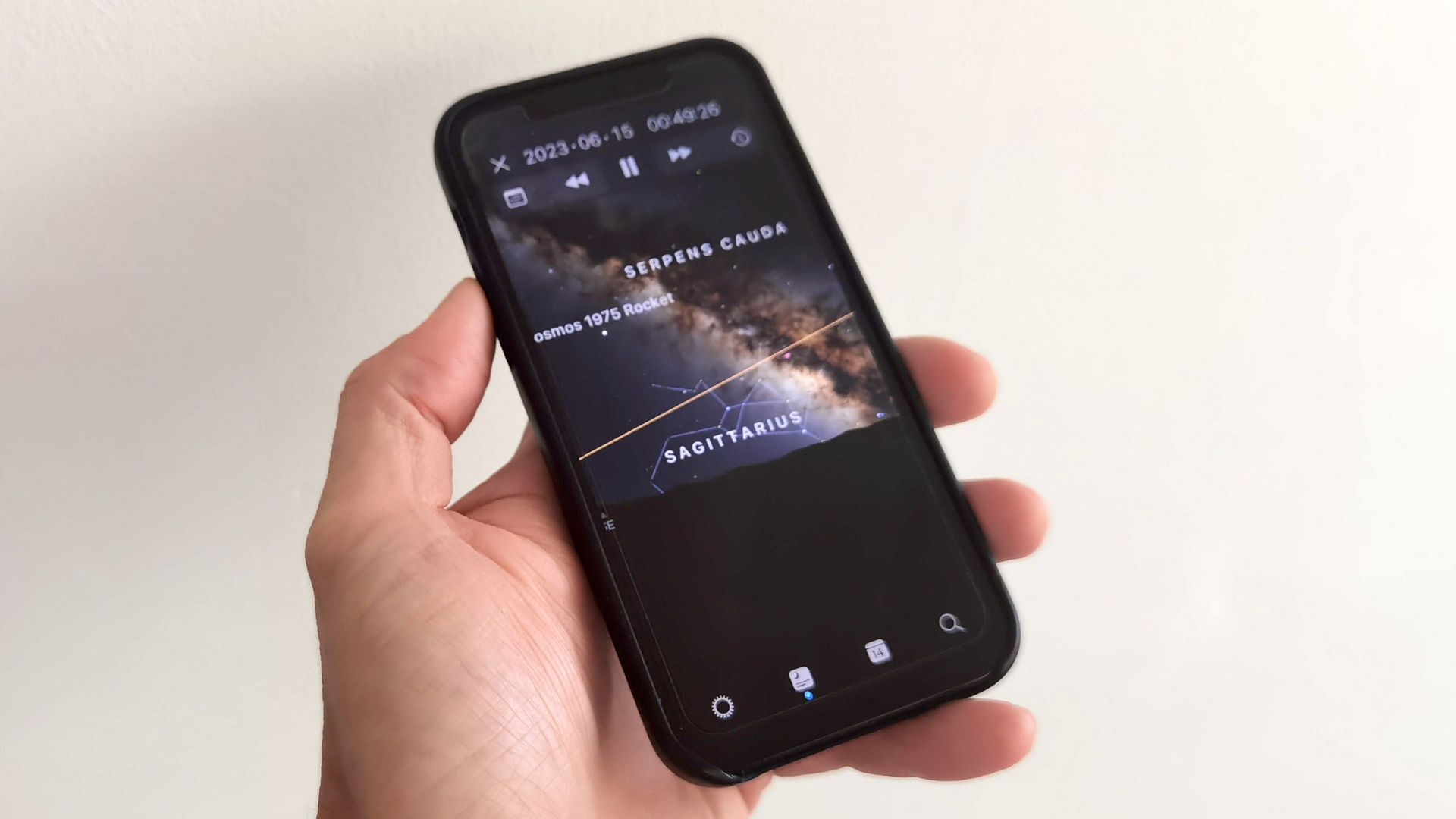
Modern mobile stargazing applications have revolutionized amateur astronomy, turning any smartphone into a portable planetarium capable of identifying constellations, planets, and deep-sky objects instantly. However, the majority of users limit their experience to merely pointing the device overhead, overlooking an array of advanced features designed to enhance real-world observing sessions.
Crucial Features for Better Observations
One of the most vital yet underutilized features is night vision mode, which overlays a deep red tint across the entire user interface. Preserving the human eye's dark adaptation—a process that takes up to thirty minutes in total darkness—is essential for seeing faint nebulae and distant clusters. Exposing the eyes to standard phone backlighting instantly resets this biological adaptation.
Furthermore, taking advantage of time-scrubbing controls allows observers to plan their nights with precision. By simulating the sky hours or days in advance, users can determine the exact rise and set times of celestial targets, lunar interference levels, and planetary transits across their local horizon.
Transforming Devices into Practical Tools
Configuring sensor calibrations, field-of-view indicators matching binoculars or telescopes, and event notifications elevates these applications from casual novelties to indispensable planning instruments. Mastering these capabilities bridges the gap between digital charts and authentic celestial discovery under the open sky.
Embracing these simple techniques empowers astronomy enthusiasts to explore the cosmos with far greater clarity, making every stargazing session significantly more rewarding.


Comments
Loading comments...