End of the Simulated Mars Mission
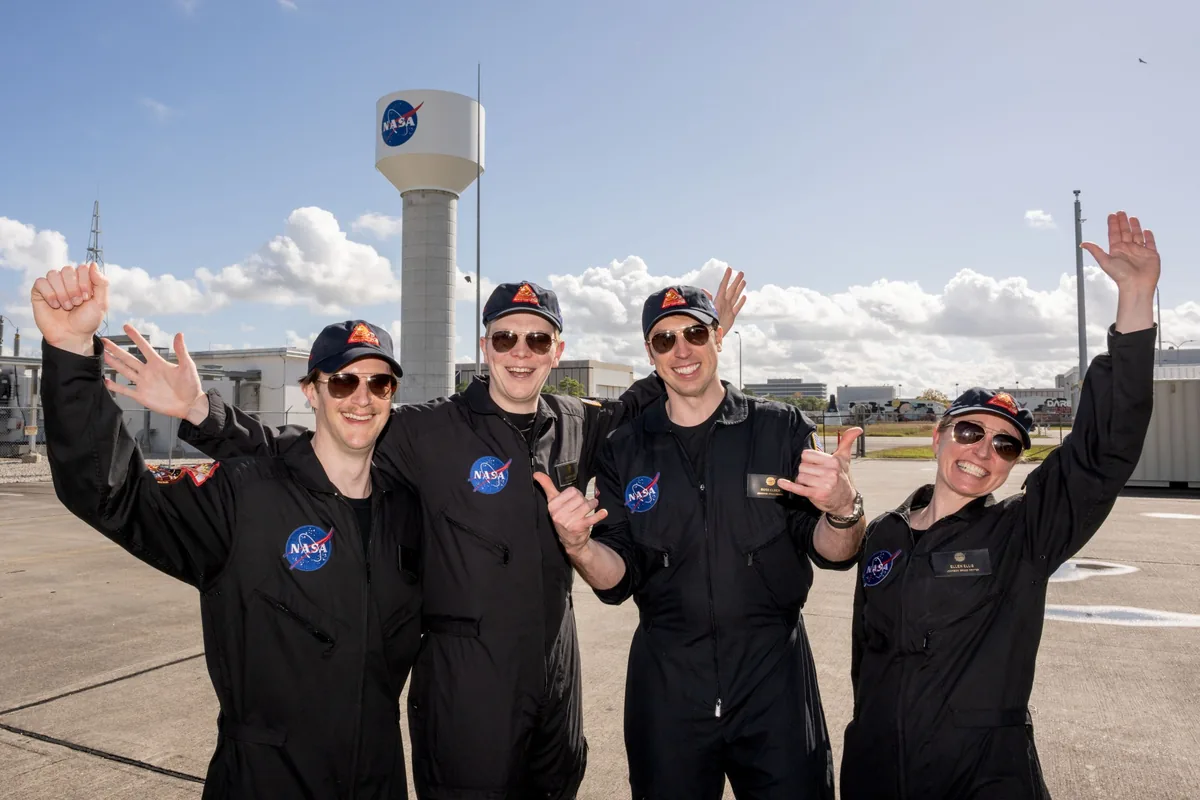
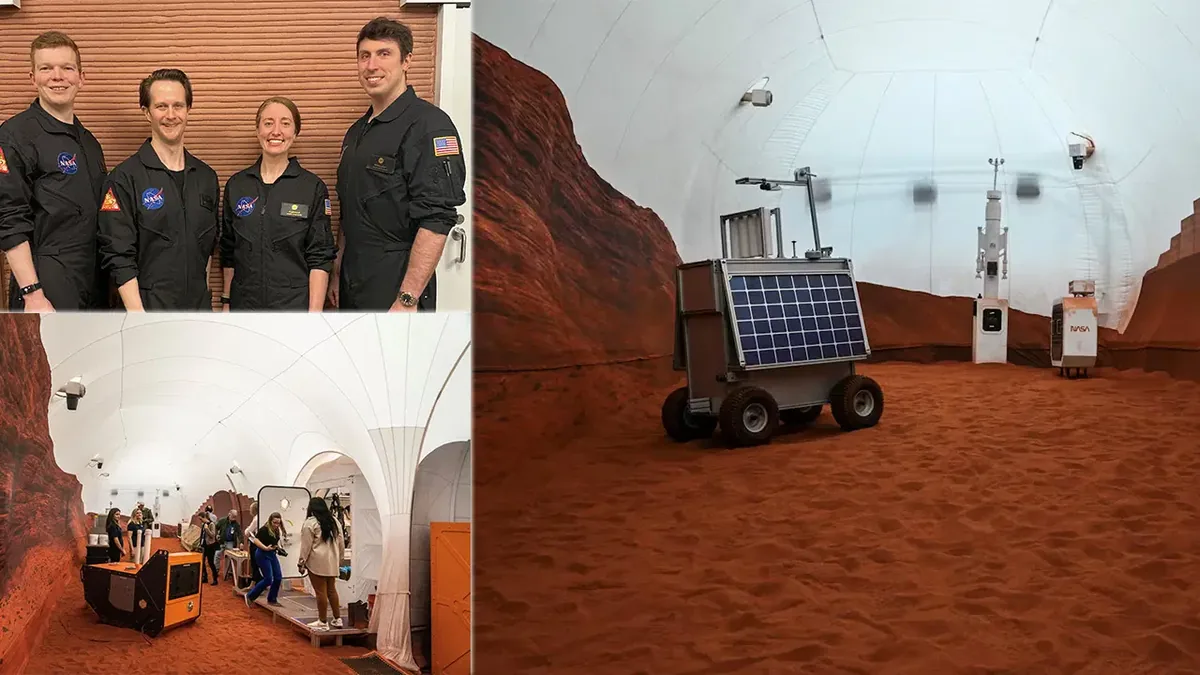
The four-member Crew Health and Performance Exploration Analog (CHAPEA) crew successfully completed their simulated journey to Mars after spending more than a year in isolation. The research team, consisting of Matthew Montgomery, James Spicer, Ross Elder, and Ellen Ellis, posed outside for the first time on Oct. 31, 2026, marking the official end of their long-term assignment.
Simulation Conditions and Operational Details
Conducted within a highly controlled habitat, this comprehensive study aimed to evaluate human health, physical performance, and behavioral dynamics during extended deep-space missions. Over the course of more than a year, the four crew members operated under conditions designed to closely mirror the constraints and environmental challenges of living on the Red Planet.
Implications for Future Crewed Mars Missions
Data gathered from long-duration analog missions like CHAPEA provide vital insights for NASA's future human exploration plans. Analyzing how crew members withstand prolonged physical and psychological isolation will help the space agency develop better protocols to safeguard astronaut health and ensure overall mission success during future journeys to Mars.

Comments
Loading comments...