The Return to the Lunar Surface and Beyond
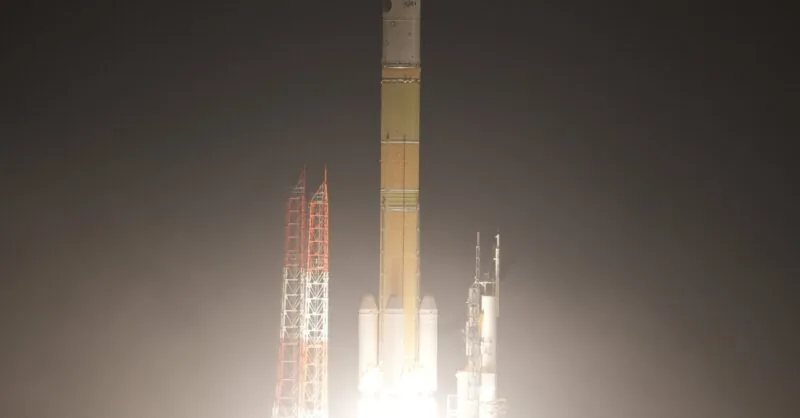
NASA is actively working toward landing astronauts on the Moon in 2028, marking humanity's first crewed lunar landing since the historic Apollo 17 mission in 1972. However, the agency's broader ambition extends far beyond temporary scientific sorties, aiming instead to establish a sustained and permanent human presence on our nearest celestial neighbor.
Building a permanent lunar foothold requires a deliberate, step-by-step technological architecture. This complex journey depends on establishing continuous power generation, pioneering in-situ resource extraction, and engineering resilient habitats capable of shielding crews from extreme thermal fluctuations and radiation, ultimately paving the way for eventual missions toward Mars.
Deploying Planetary AI for Landing Site Selection
As artificial intelligence continues its rapid rise across everyday technologies, mission planners are considering its transformative potential for deep space exploration. Evaluating massive planetary datasets gathered by orbiters can be an overwhelming task using manual approaches, making automated machine intelligence an ideal alternative for mission design.
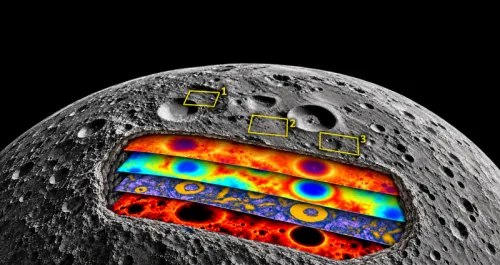
By leveraging advanced algorithmic models, scientists can efficiently process surface topography, slope angles, boulder hazards, and illumination conditions. This planetary AI capability offers a powerful method to screen large areas and pinpoint the safest, most strategically advantageous landing sites for future permanent outposts across both lunar and Martian terrains.
Implications for Long-Term Interplanetary Exploration
Selecting the optimal site for a base camp dictates the entire operational feasibility of an off-world mission. Outposts must remain situated close to harvestable local resources while maintaining secure terrain for continuous transport, construction, and ongoing scientific activities.
As these artificial intelligence frameworks demonstrate their value on the Moon, the methodologies will directly inform future architecture for Martian exploration. Automated, data-driven site evaluation will thus serve as a foundational pillar for humanity's gradual expansion across the inner Solar System.
Comments
Loading comments...