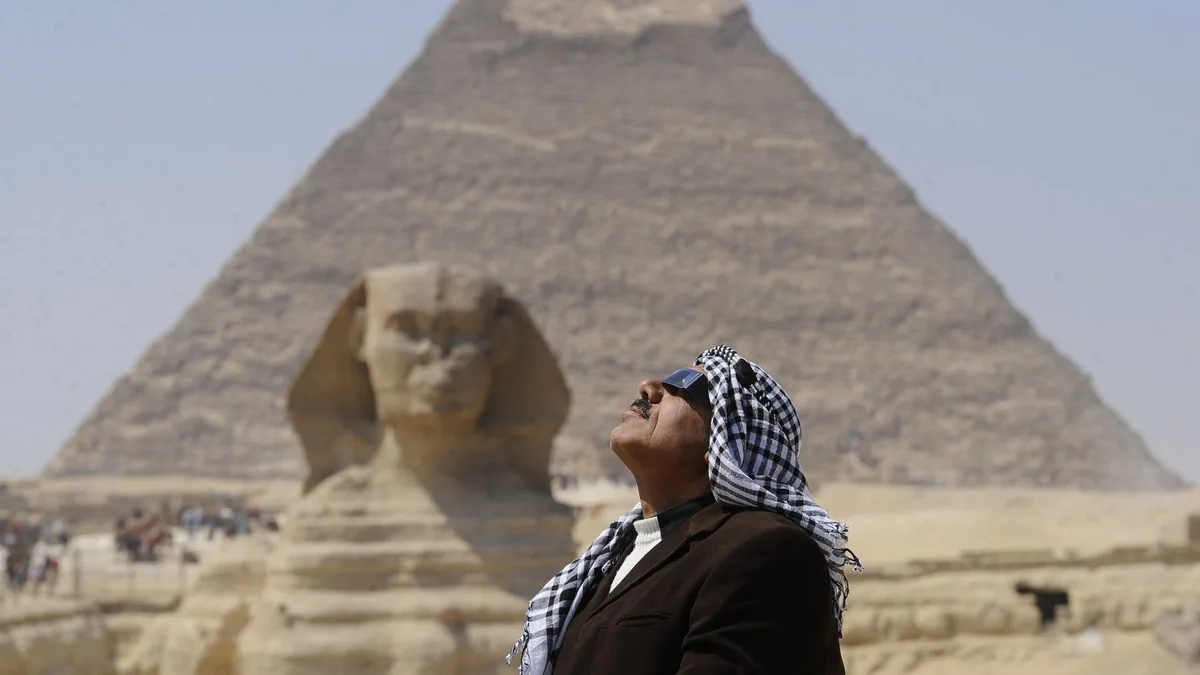
An Astronomical Trace in Deep History
Historians and astronomers are focusing on rare celestial events to solve one of the greatest riddles in ancient Egyptian chronology. Examining the connections between biblical texts and ancient Egyptian inscriptions, researchers are tracing a historical solar eclipse that occurred approximately 3,200 years ago. This unique astronomical event provides a critical key to precisely dating the reign of Ramesses the Great, one of Ancient Egypt's most powerful pharaohs.
The Intersection of a Ring of Fire and Ancient Texts
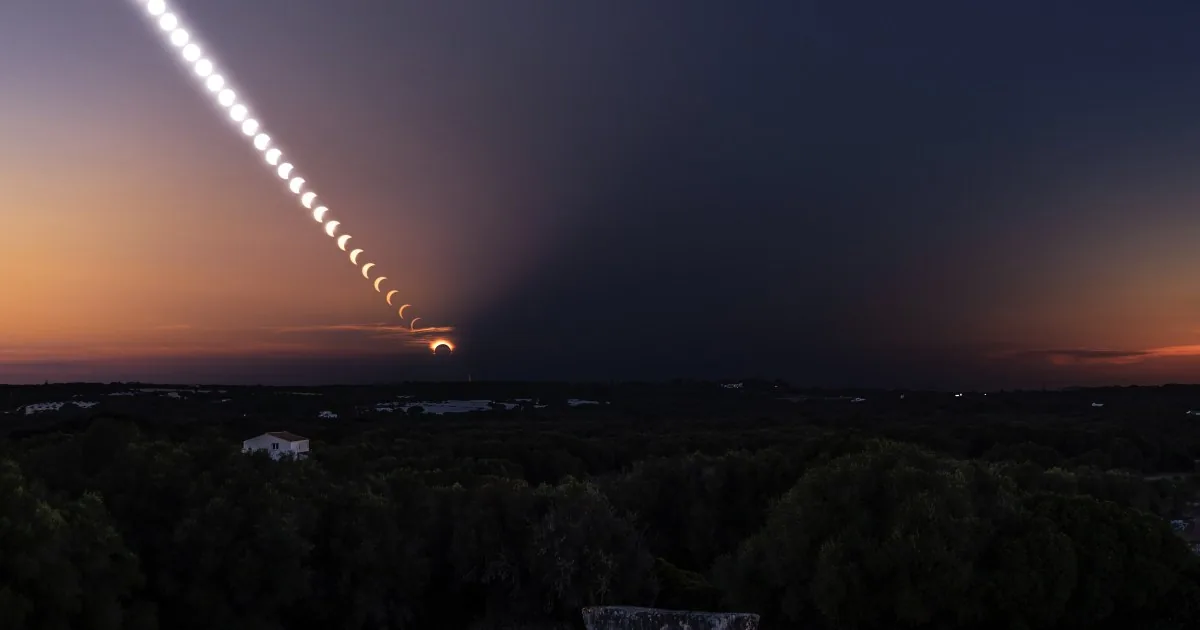
The research relies on comparing data from an annular solar eclipse—which created a "ring of fire" in the sky—with textual records from antiquity. By matching orbital mechanics calculations from 3,200 years ago with historical inscriptions, scientists aim to pinpoint the exact timeframe of the event. Aligning observations of natural phenomena in Egyptian inscriptions with descriptions in biblical texts plays a vital role in closing long-standing chronological gaps.
A New Chapter in Chronology and Future Outlook
Integrating astronomical models with historical research not only clarifies the timing of Ramesses the Great's reign, but also helps reshape the broader timeline of Eastern Mediterranean and Near Eastern history. Researchers intend to use these precise eclipse dates to anchor Egyptian dynastic chronologies on firmer ground and verify the sequence of ancient historical events with unprecedented accuracy.

Comments
Loading comments...