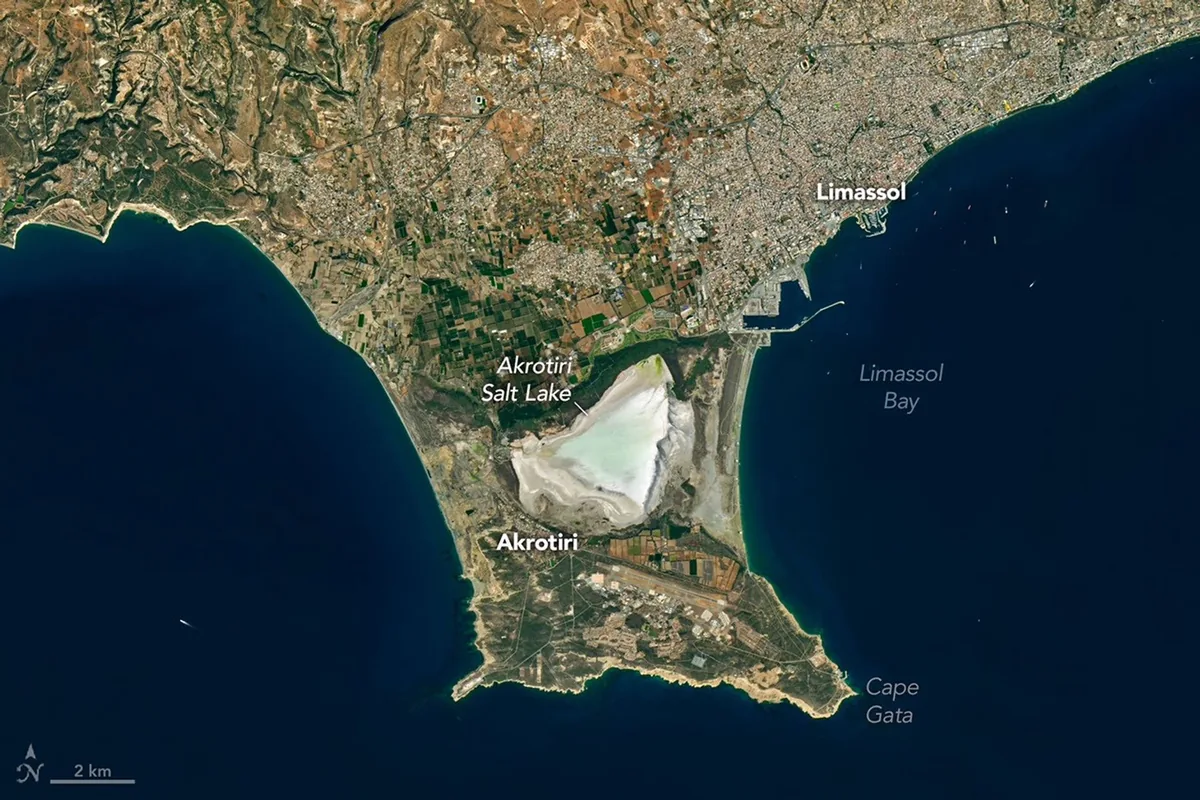
A Geological Landmark in the Heart of the Mediterranean
As the third-largest island in the Mediterranean Sea, Cyprus stands out not only for its geographic prominence but also for its exceptional geological history that sheds light on Earth's tectonic dynamics. Observations and satellite imagery highlight how the island brings deep marine structural formations directly into terrestrial view, turning the landscape into a natural laboratory for planetary geologists.
Ancient Ocean Floor and the Troodos Ophiolite Complex
The defining geological feature of Cyprus is its remarkable exposure of an ophiolite complex, representing ancient oceanic crust and mantle layers obducted onto continental boundaries. By displaying sections of the ancient seafloor that were uplifted through sustained tectonic forces, the island allows scientists to analyze lithospheric composition and ocean basin evolution directly on dry land without deep sub-sea drilling.
Ecological Significance and Endemic Wildlife
The mineral-rich terrain forged from the oceanic crust has heavily influenced the island's habitats over millennia. Famously providing ecosystems suitable for reptiles and snakes, Cyprus is equally renowned for hosting a historically extensive population of cats that share the island. The unique blend of exposed oceanic mantle and Mediterranean wildlife makes the island a distinctive natural habitat.


Comments
Loading comments...