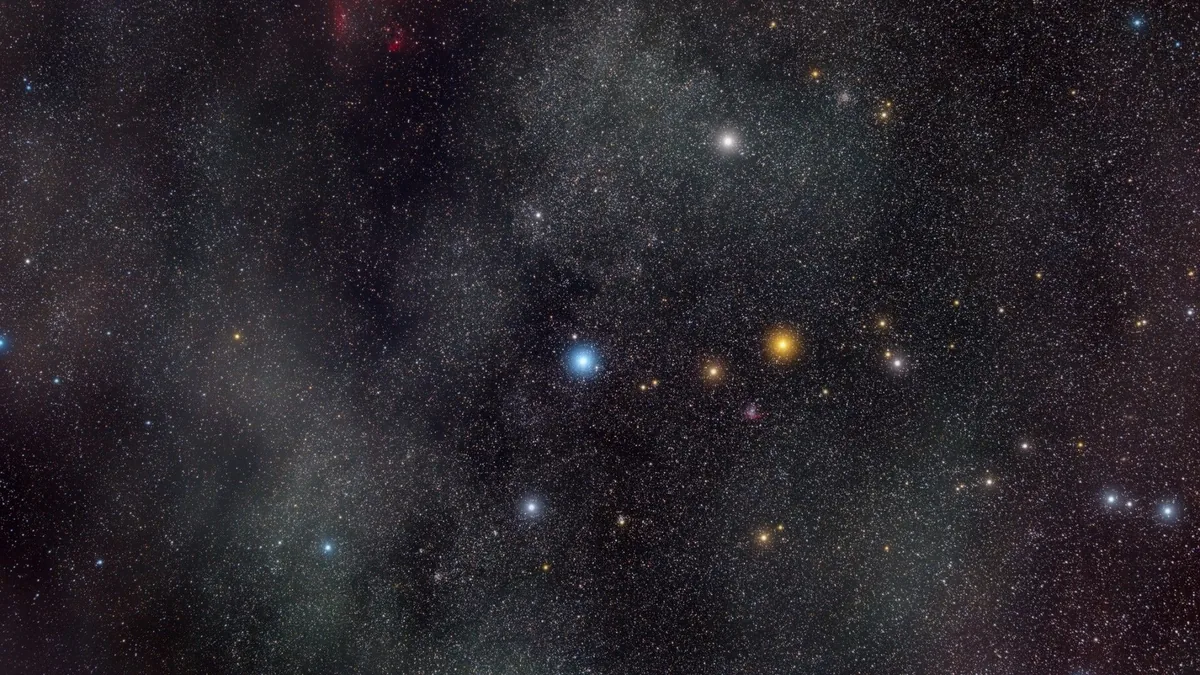
The Easily Recognized Queen of the Northern Sky
The constellation Cassiopeia stands out as one of the most recognizable figures in the northern night sky. Traditionally referred to as the queen, this celestial formation serves as a reliable guide for both amateur stargazers and astronomers navigating the night sky due to its distinct shape.
Shifting Between a 'W' and an 'M'
Stargazers typically look for a prominent 'W' shape when locating Cassiopeia. However, due to the Earth's rotation on its axis and the shift in seasonal viewing angles, this pattern does not remain static in the heavens. As the night progresses or seasons change, the orientation of the stars rotates relative to the observer.
Understanding Celestial Orientation
As a result of this apparent rotational movement, the familiar 'W' configuration frequently appears upside down, forming an 'M'. This constant visual change highlights how Earth's axial rotation affects our nightly perspective of famous circumpolar constellations.


Comments
Loading comments...