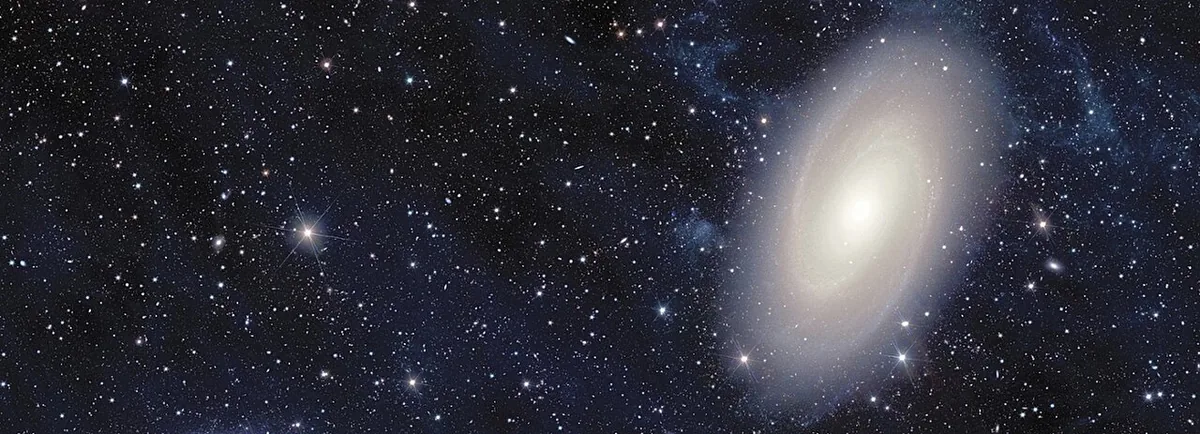
The European Space Agency's Bold Cosmological Initiative
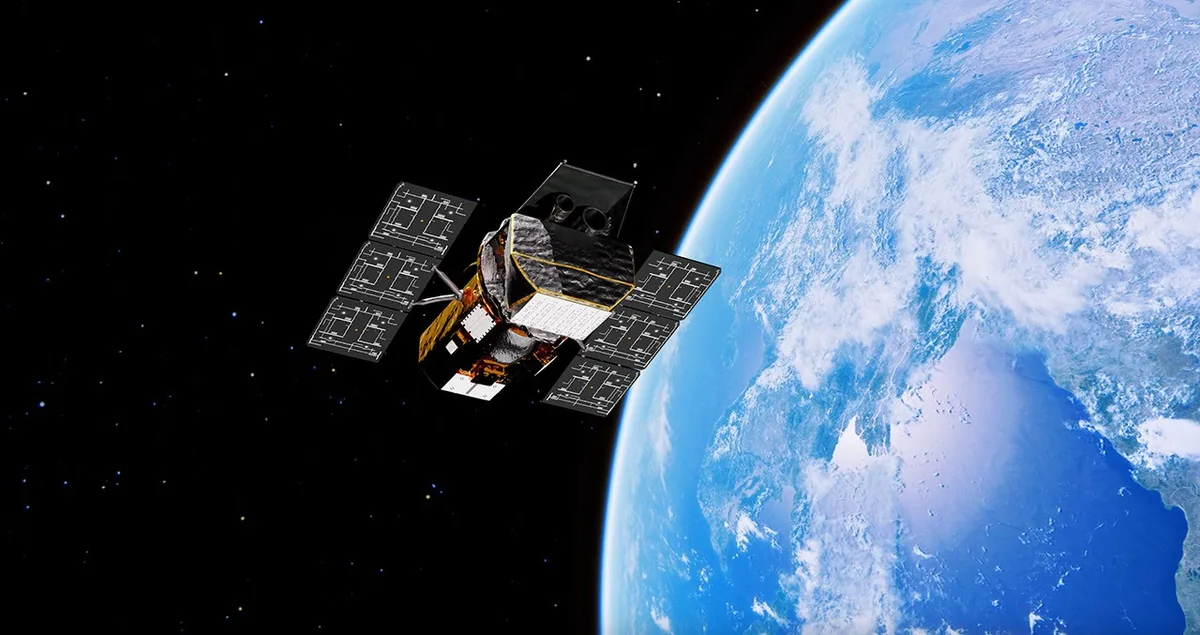
On July 1, 2023, the European Space Agency (ESA) launched the Euclid space telescope into deep space, marking an essential turning point in modern cosmology. The overarching objective of the mission is to create the largest, most comprehensive, and most detailed map of the cosmos ever assembled. Representing years of collaborative engineering and scientific planning, this sophisticated observatory was built specifically to survey the large-scale structure of the surrounding universe.
High-Precision Mapping and Observational Strategy
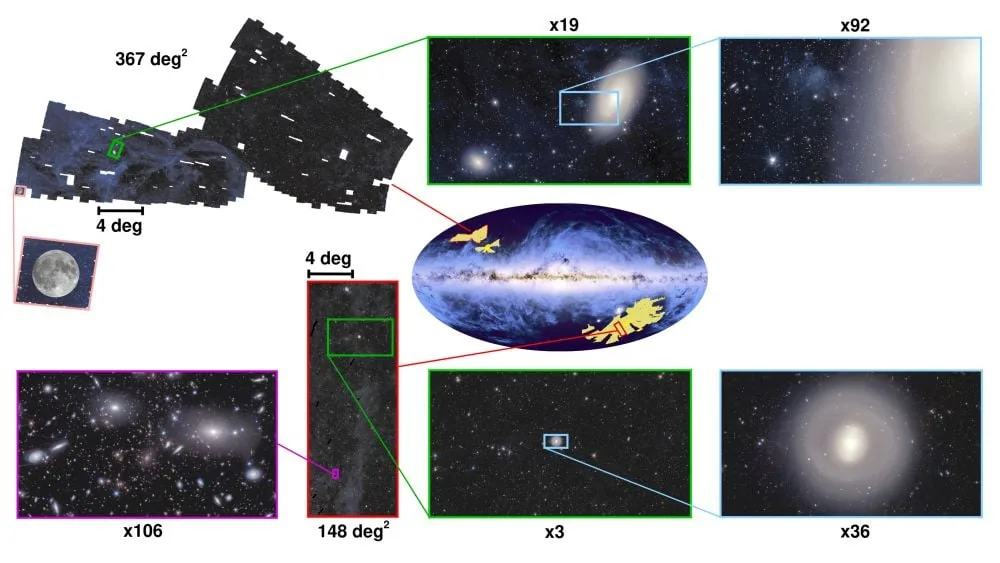
Euclid is charting vast areas of the sky with extraordinary precision, measuring the positions, shapes, and distances of billions of distant galaxies. By capturing subtle spatial arrangements across billions of light-years, the telescope documents how cosmic structures evolved throughout cosmic time. The systematic collection of wide-field observational data enables scientists to reconstruct the cosmic web and investigate how large groupings of matter clustered over billions of years.
Transforming Cosmological Models and Future Research
The vast catalog compiled by Euclid serves as an unprecedented observational baseline to test competing theories of cosmic expansion and large-scale physics. By confronting analytical models with definitive structural measurements, researchers will gain novel insights into the fundamental forces shaping our universe. Euclid's ongoing surveying campaign is slated to become the standard reference for cosmological research across the coming decades.
Comments
Loading comments...