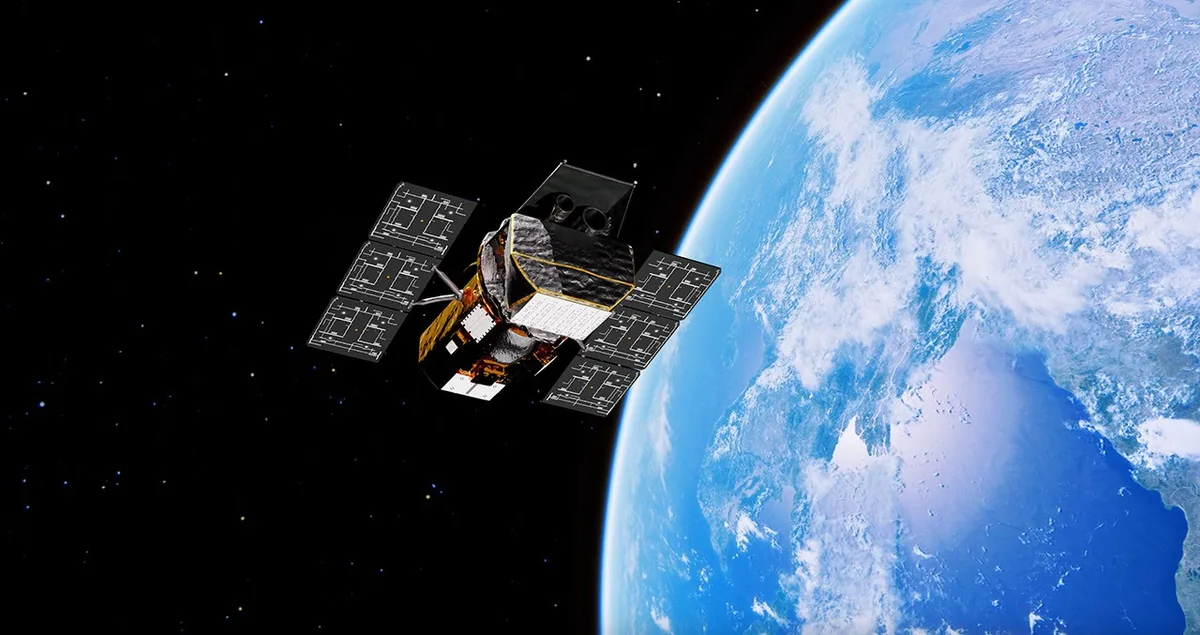
The End of a Historic Mission: Neil Gehrels Swift Observatory
NASA's Neil Gehrels Swift Observatory, designed to study the most powerful explosions in the cosmos, is concluding its mission after nearly 22 years in space. According to predictions by the U.S. Space Force, the historic observatory, which has driven groundbreaking space research since its launch, is expected to re-enter Earth's atmosphere on Wednesday, Nov. 4.
Technical Capabilities and Multiwavelength Observations
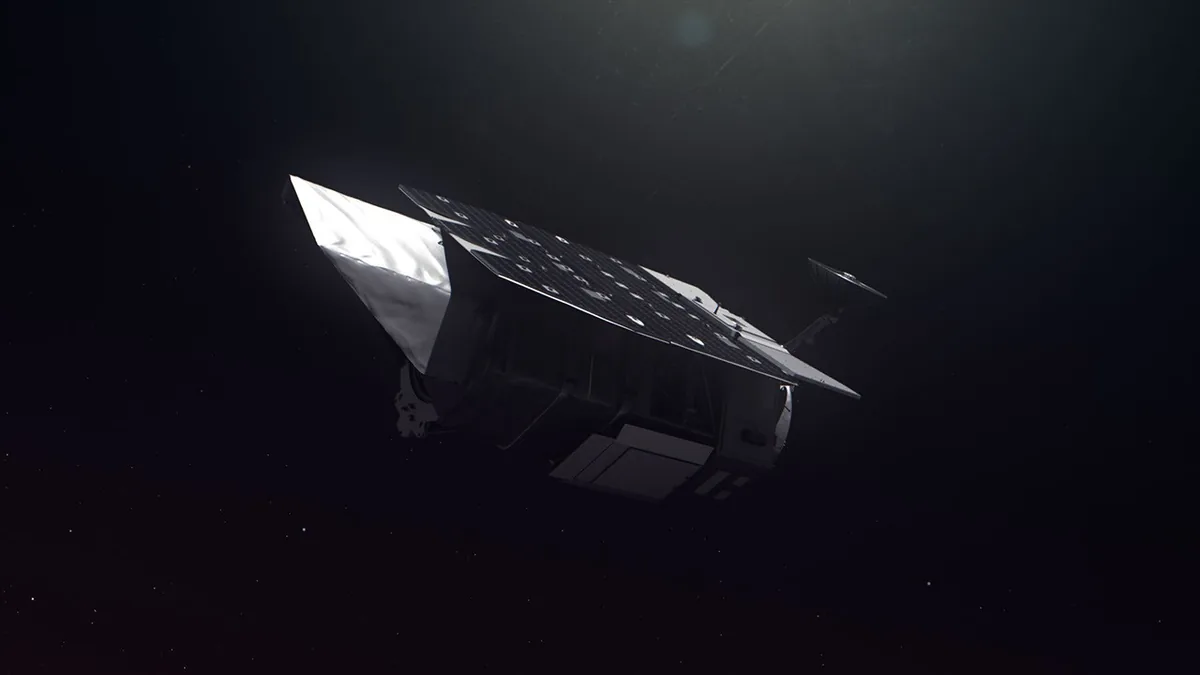
Weighing roughly 3,200 pounds, Swift stood out as a first-of-its-kind multiwavelength observatory. Equipped with three distinct onboard telescopes, the spacecraft was engineered to rapidly detect and analyze high-energy cosmic phenomena, particularly gamma-ray bursts, across multiple spectral bands.
Impact on Astrophysics Models and Mission Legacy
Throughout its operational lifespan, the Swift Observatory left a major mark on astrophysics through its observations of black hole formations, neutron star mergers, and gamma-ray bursts. The rich dataset gathered over 22 years significantly advanced models of high-energy cosmic physics. As the spacecraft re-enters the atmosphere, its scientific legacy will continue to inform future orbital observatories.
Comments
Loading comments...