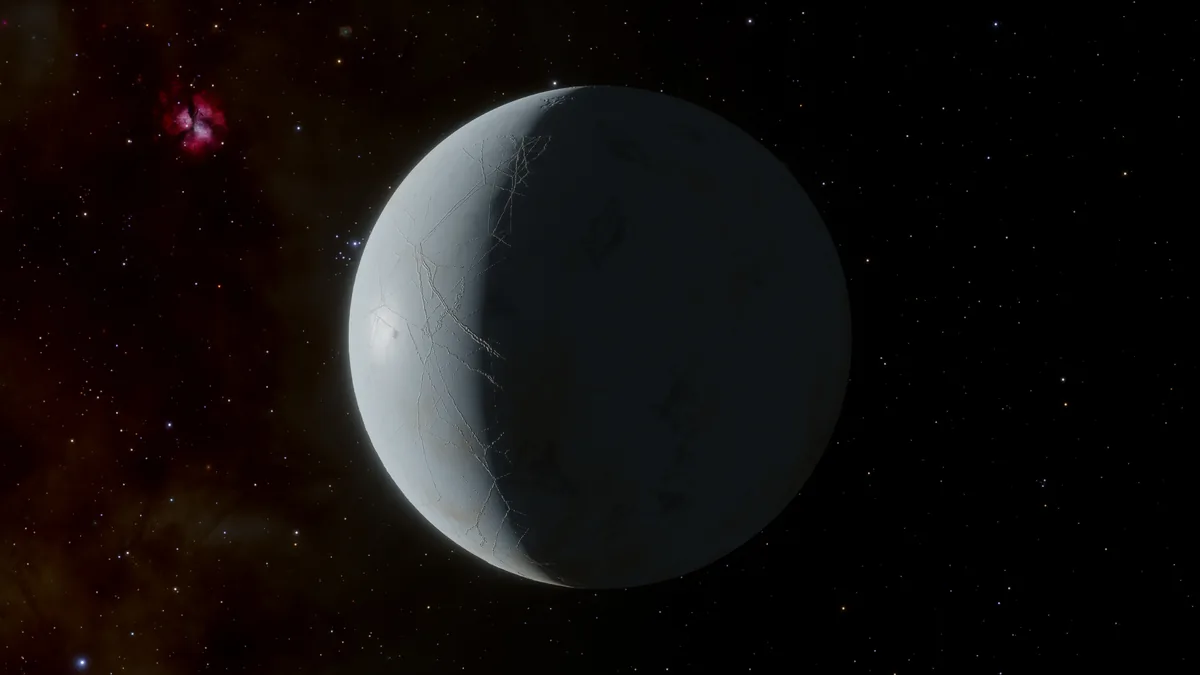
The Mysterious Outer Edges of the Solar System
The dark and cold realms beyond Neptune continue to be a source of profound fascination for astronomers. By analyzing the orbital behavior of objects circling at extreme distances from the Sun, researchers have encountered possibilities beyond the hypothetical Planet Nine framework. Newly emerging hints regarding a second secret world hidden at the edge of our Solar System suggest that deep-space dynamics might be considerably more complex than previously assumed.
Orbital Measurements and Technical Observations
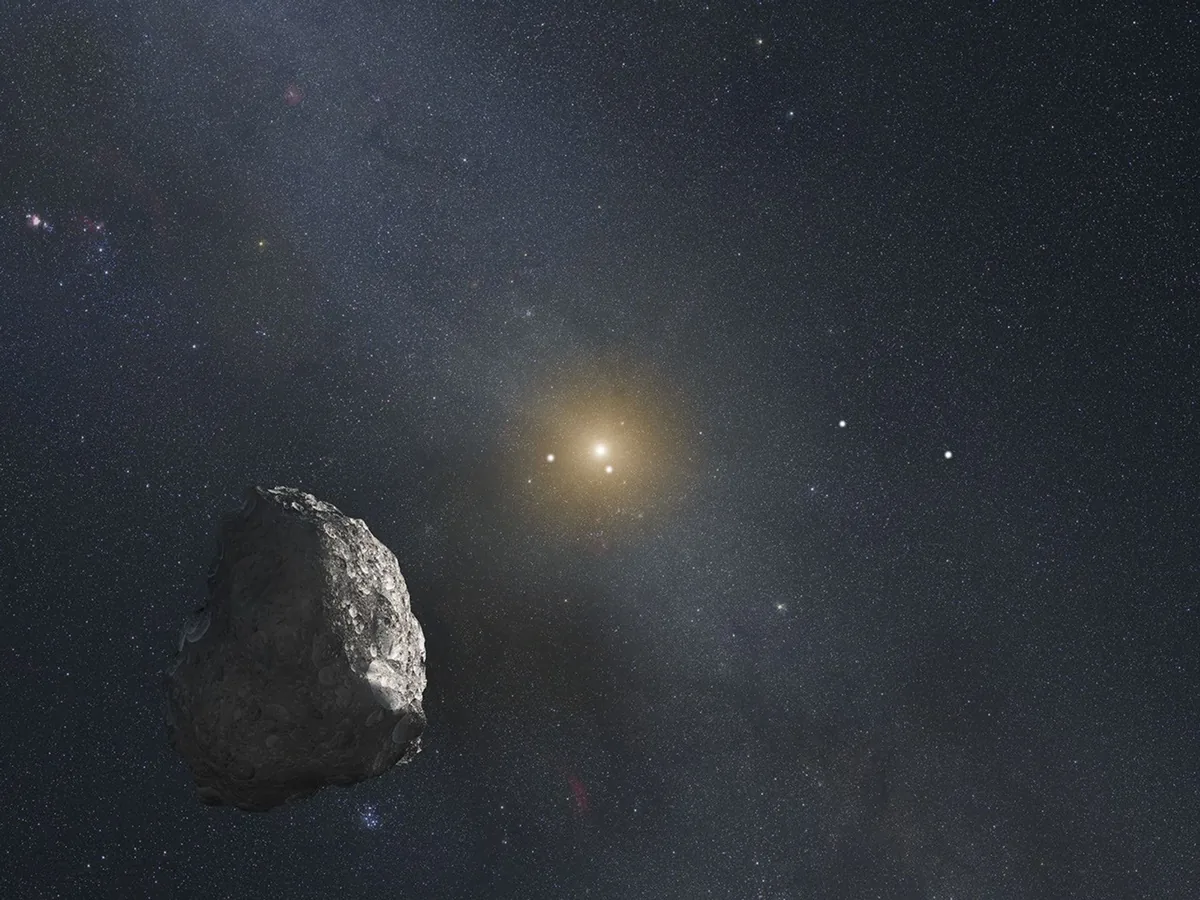
Precise measurements of trans-Neptunian objects and dwarf planets reveal gravitational influences characteristic of an unseen massive body in these distant regions. Analysis of photometric data and observational surveys helps scientists trace how this mysterious body affects neighboring objects. Computational modeling and orbital trajectory tracking reinforce the possibility that a second hidden world exists at the fringes of our planetary neighborhood.
Scientific Significance and Future Exploration
These findings could prompt a major re-examination of current theoretical models regarding the formation and evolution of the Solar System. Understanding planetary formation mechanisms and gravitational interactions requires discovering such concealed bodies at the outer boundaries. Astronomers plan to utilize advanced telescopes and next-generation sky surveys to hunt for this elusive planet and map the architecture of our Solar System in greater detail.
Comments
Loading comments...