Late November Planetary Encounters
The week spanning November 20 to 27 presents an exceptionally active window for stargazers and astronomers alike. As the outer planets of our solar system assume notable celestial alignments, they provide observers with optimal viewing opportunities. The Moon and the ringed giant Saturn serve as primary visual anchors during the evening hours, helping both amateur and seasoned skywatchers trace dimmer targets across the background constellations. Comprehensive sky guides highlight this period as an ideal interval for locating the distant ice giants.
Conjunctions with Saturn and Neptune
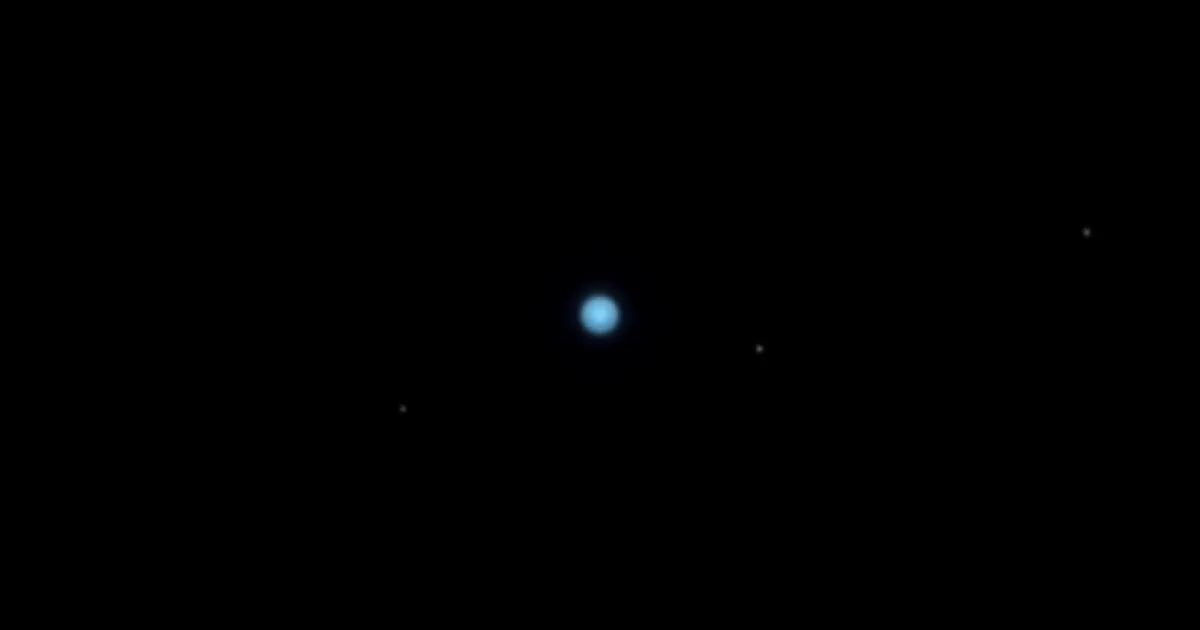
The observational sequence begins on Friday, November 20, as the Moon makes close apparent approaches to two distant worlds. Passing roughly 5 degrees north of Neptune in the morning, the Moon sweeps approximately 7 degrees north of Saturn by evening. Together, these bodies remain visible through the night, forming a prominent celestial triangle across southern Pisces and northern Cetus. While the Moon and Saturn are readily apparent to the unaided eye, spotting Neptune requires binoculars or a modest telescope due to its faint visual magnitude.
Uranus Reaches Opposition
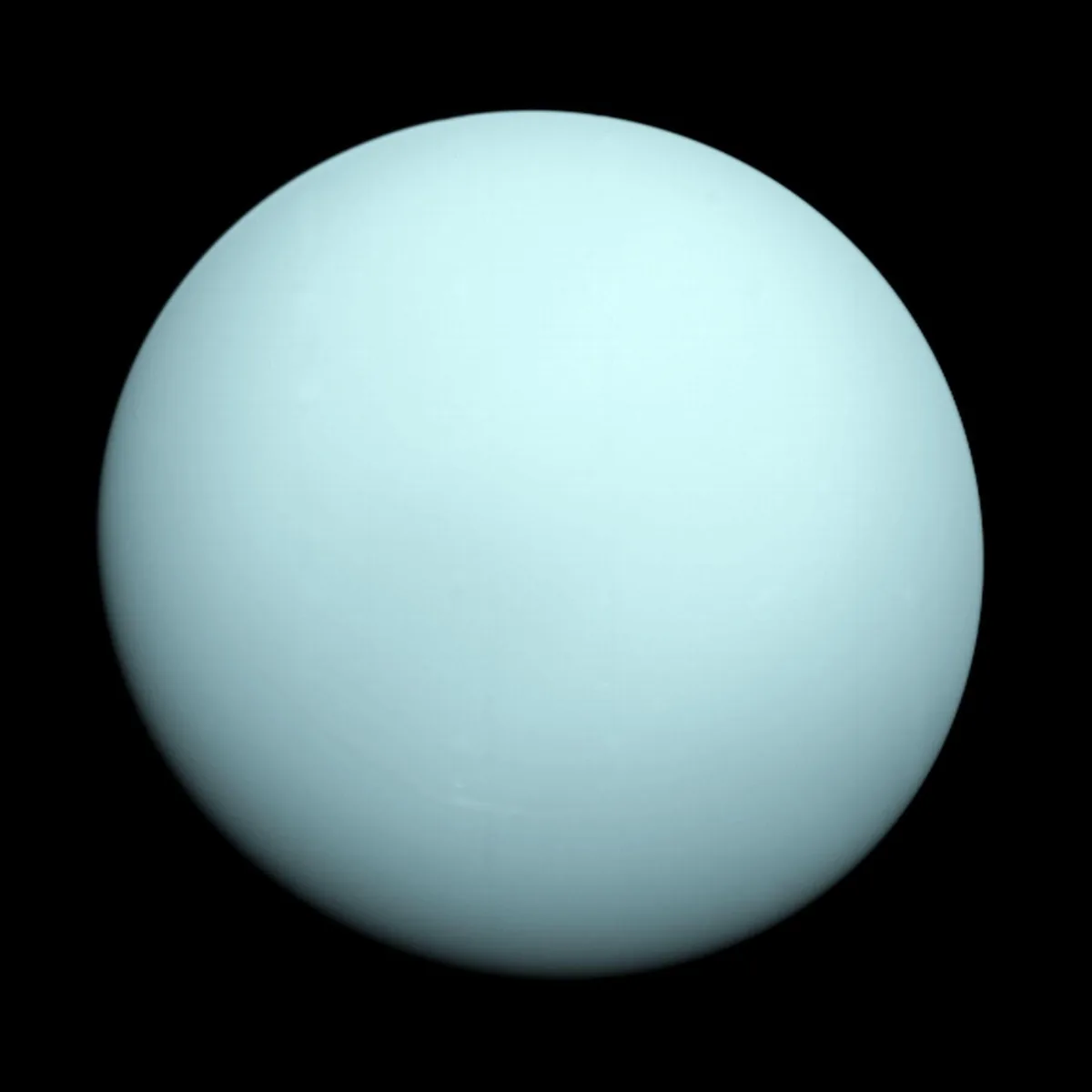
The central event of the week is Uranus reaching opposition, positioning the planet directly opposite the Sun from Earth's vantage point. During opposition, the planet rises at sunset, remains visible throughout the entire night, and achieves its highest altitude and peak illumination for the year. This alignment offers the shortest distance between Earth and Uranus during their orbital cycles, granting planetary observers and astrophotographers the clearest view of the distant world's pale greenish-blue disk.
Comments
Loading comments...