Record-Breaking Quasar Discovery in the Early Universe
Astronomers have identified a new record-holder for the most distant quasar ever observed, tracing back to the earliest epochs of the cosmic timeline. This record-breaking celestial beacon shines from a era when the universe was merely a few hundred million years old.
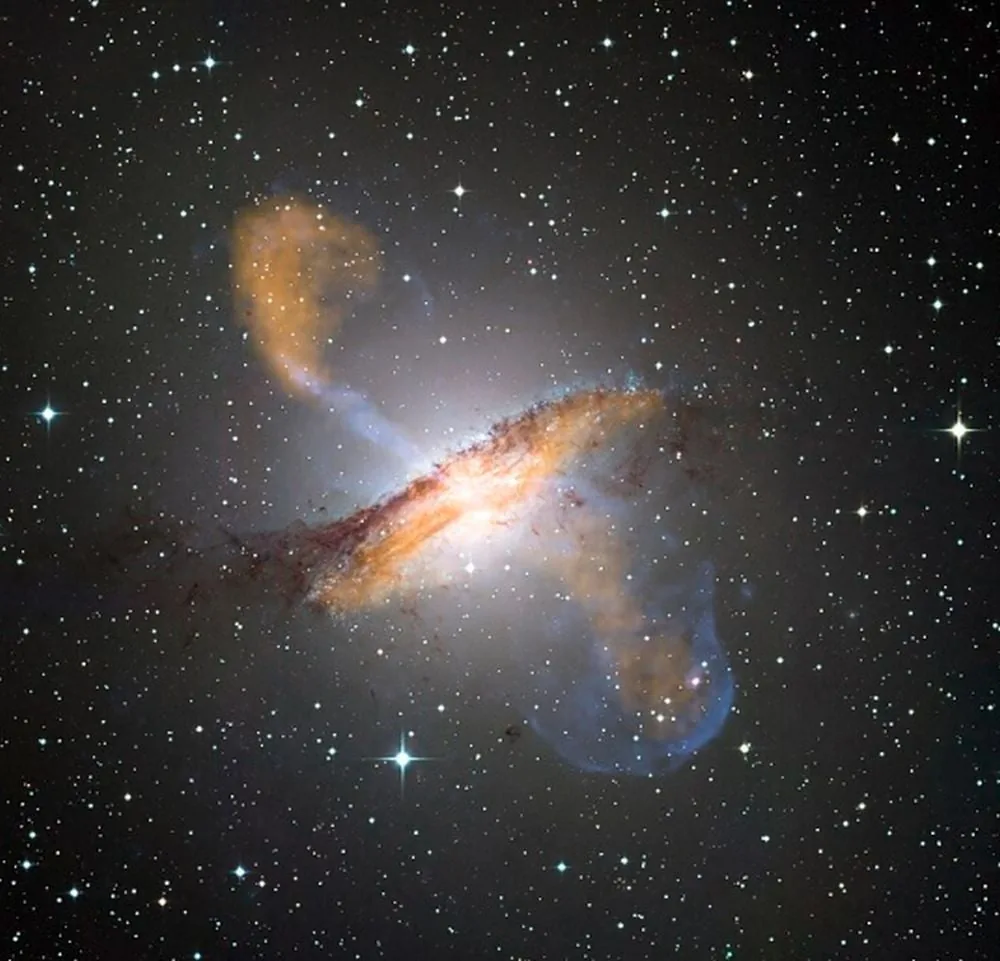
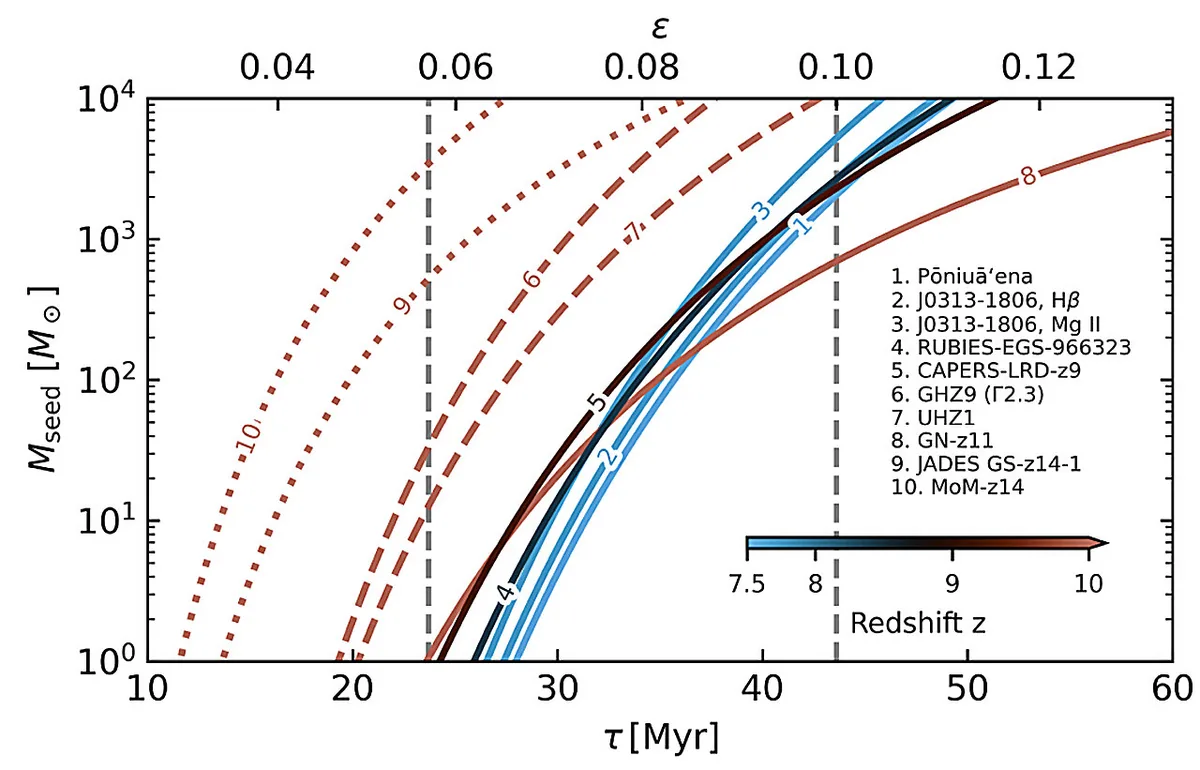
The quasar is powered by a gas-grazing supermassive black hole at the center of a young galaxy. How such massive structures were able to grow so rapidly under early universe conditions remains a central question for astrophysicists.
Observational Details and Black Hole Accretion
Detailed analysis shows that the central supermassive black hole is actively accreting surrounding gas, producing extraordinary amounts of light and radiation. This intense fueling process transforms the quasar into one of the brightest beacons in the distant cosmos.
The gathered light and spectral data provide critical insights into gas density and black hole growth mechanisms shortly after the cosmic dawn. These bright emissions allow researchers to study the environment of the host galaxy in greater detail.
Impact on Cosmological Models and Future Studies
This discovery provides crucial data for refining cosmological models and theories regarding early galaxy and black hole evolution. The presence of such a massive black hole within the first few hundred million years challenges current timelines of early structure formation.
Astronomers plan to use next-generation observatories to further analyze this distant quasar, aiming to unravel how the first generation of galaxies and supermassive black holes shaped the young cosmos.
Comments
Loading comments...