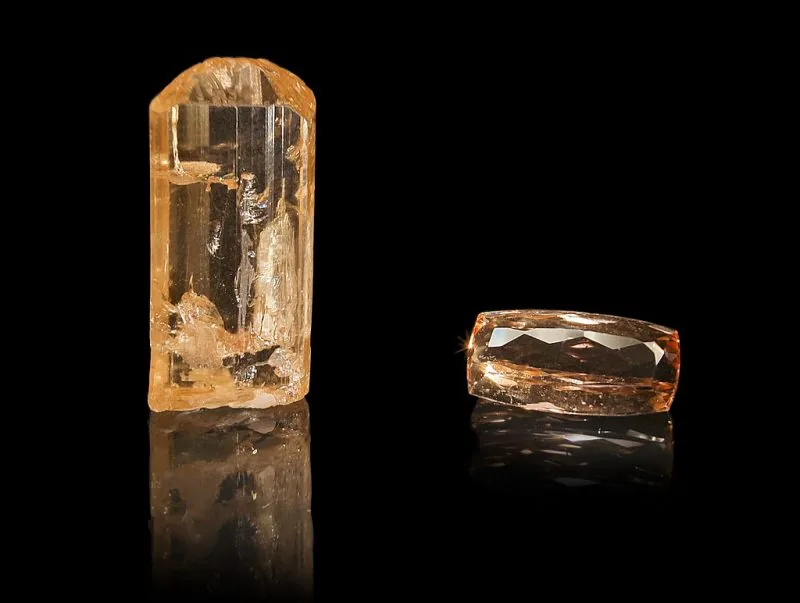
The Iconic Gemstones of November
In traditional birthstone calendars, November is represented by two distinct minerals: topaz and citrine. Celebrated across centuries in jewelry and ancient folklore, these gemstones capture the fascination of both geologists and jewelry enthusiasts. Topaz in particular is renowned for its remarkable array of naturally occurring and treated color variants, granting it a permanent place in cultural history.
Geological Formations and Crystalline Variants
Topaz is an aluminum fluorosilicate mineral typically crystallizing in granitic pegmatites and high-temperature hydrothermal veins. Trace impurities and natural radiation effects allow it to showcase an extraordinary color spectrum, ranging from pale blues and fiery oranges to delicate pinks. Meanwhile, citrine is a prized, naturally rare yellow-to-golden variety of quartz, deriving its warm hues from trace amounts of ferric iron trapped within its crystalline lattice.
Historical Significance and Mineralogical Science
Throughout recorded history, civilizations attributed healing and protective qualities to both topaz and citrine, associating their radiant tones with solar power. In modern mineralogy, these stones serve as practical examples of trace element chemistry and geologic pressure-temperature dynamics. They continue to bridge Earth's ancient volcanic history with modern aesthetic craftsmanship and mineral science.




Comments
Loading comments...