Theoretical Background of Primordial Black Holes
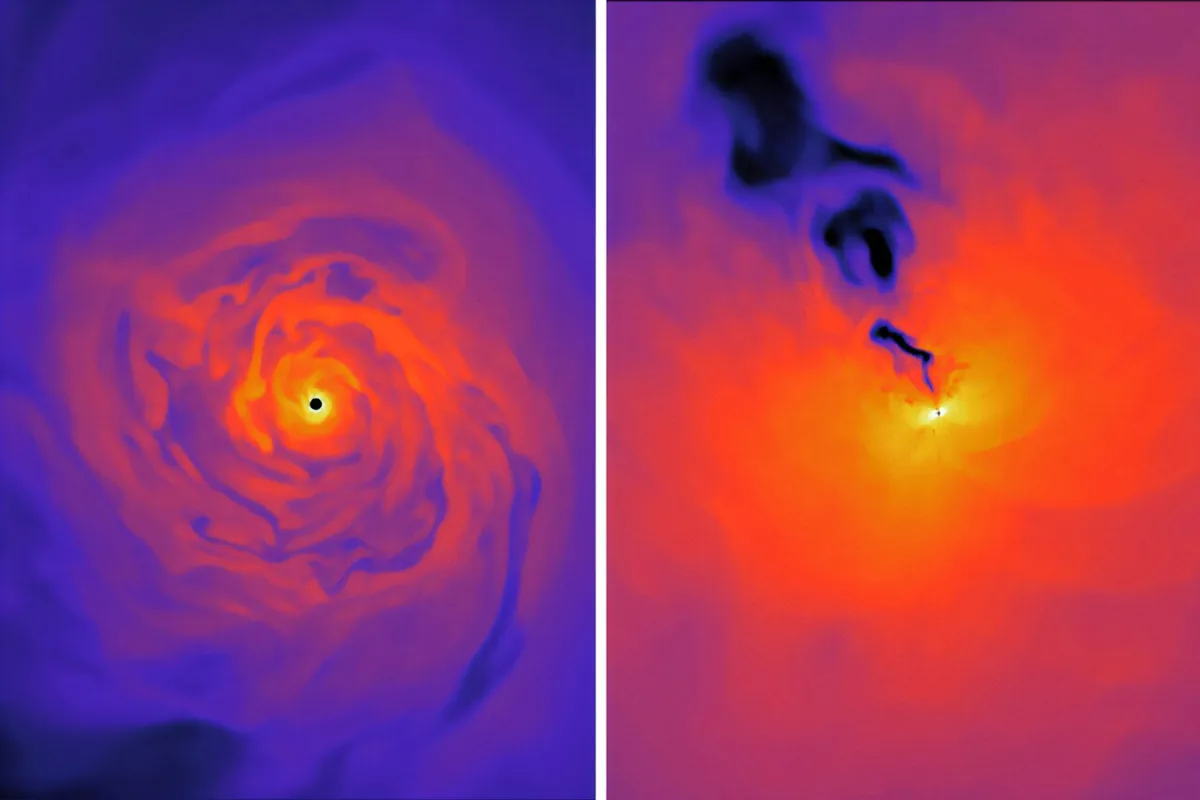
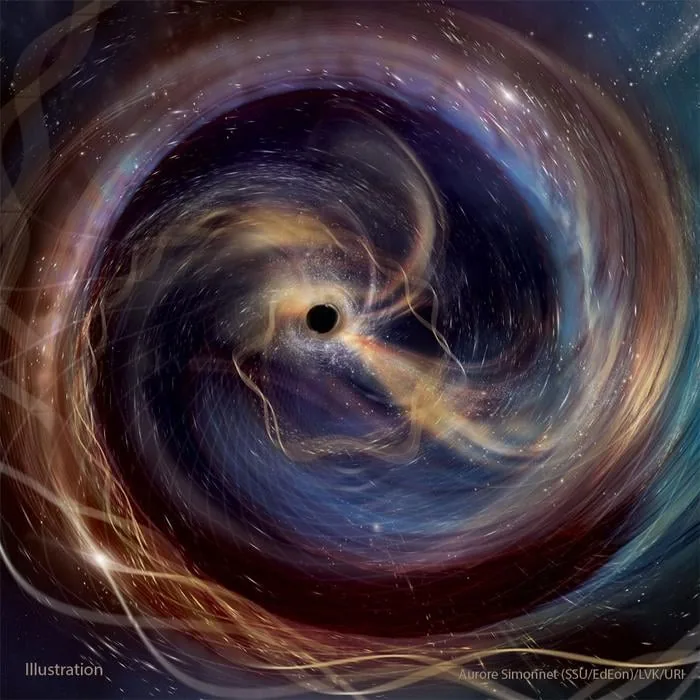
Physicists and astronomers hypothesize that within a fraction of a second following the Big Bang, minute black holes may have been forged within tiny, dense pockets that collapsed under their own gravity. Known as primordial black holes, these theoretical objects are of great importance for understanding the physical conditions of the early universe.
Observation Details and Detection Methods
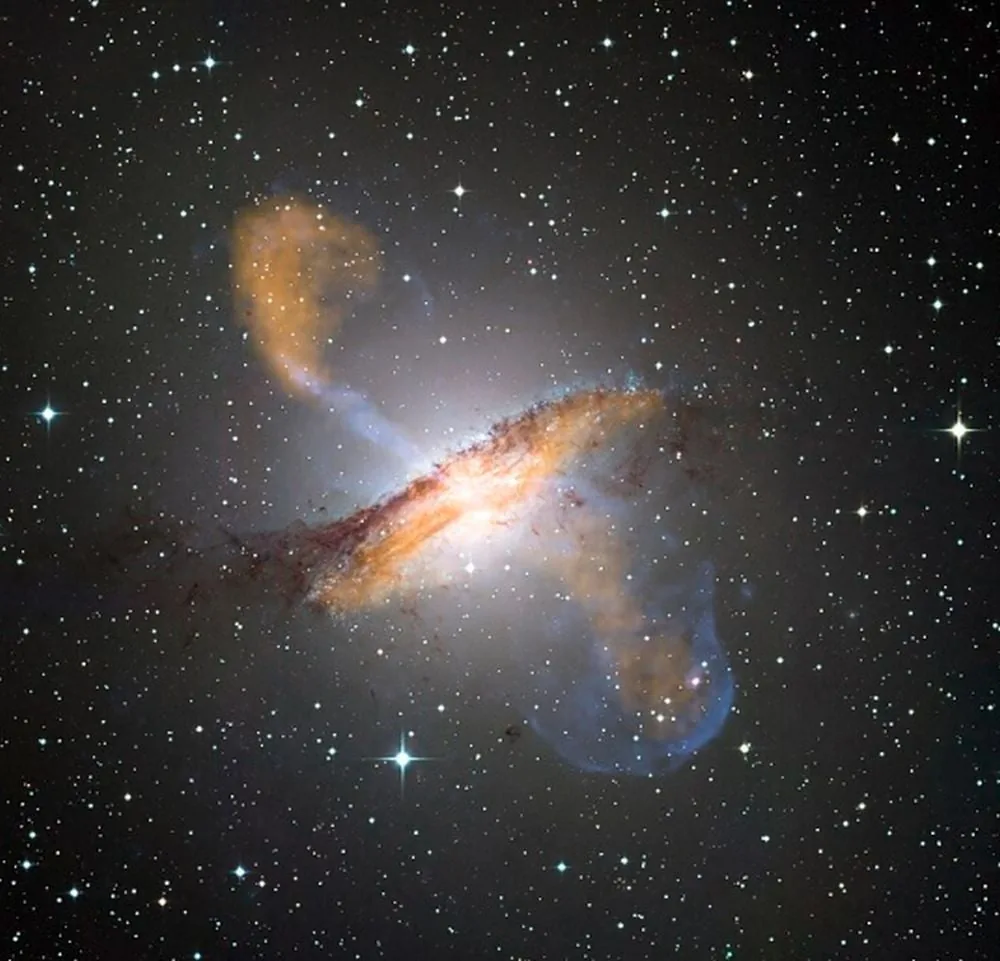
The nature of dark matter, the invisible substance that makes up most of the universe's matter, remains unresolved. Scientists suggest that if these primordial black holes are ever found, they could represent a significant component of dark matter. Evidence for these minute black holes is being sought through gravitational effects and precise measurement techniques.
Scientific Significance and Impact on Cosmology
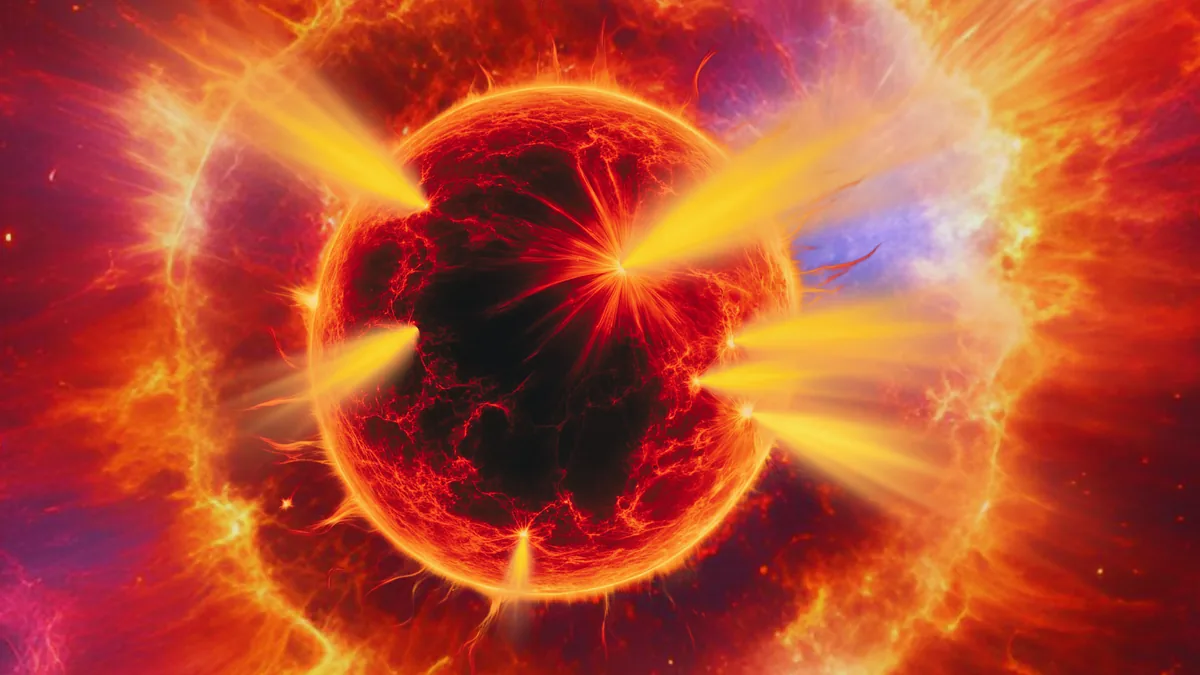
Discovering primordial black holes would not only help solve the mystery of dark matter but could also fundamentally reshape models of the early universe and post-Big Bang evolution. Future observational efforts aim to refine theories regarding cosmic mass distribution and fundamental particle physics.
Comments
Loading comments...