A Major Discovery at the Edge of the Milky Way
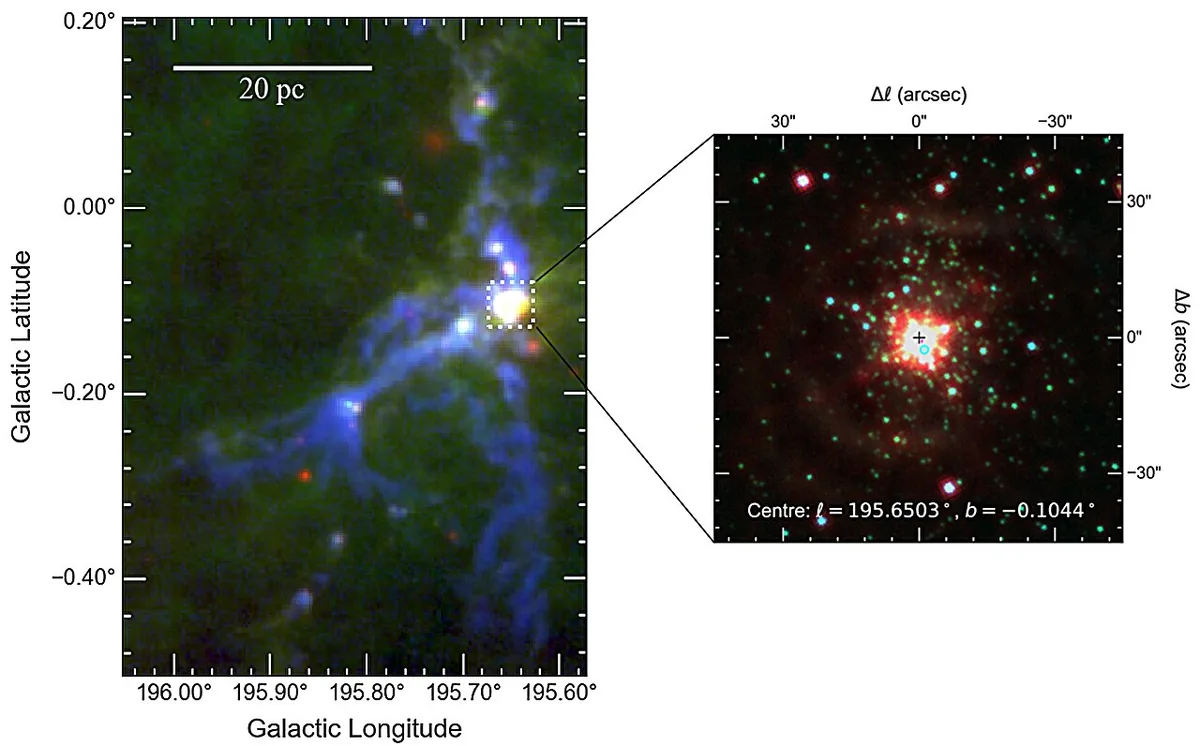
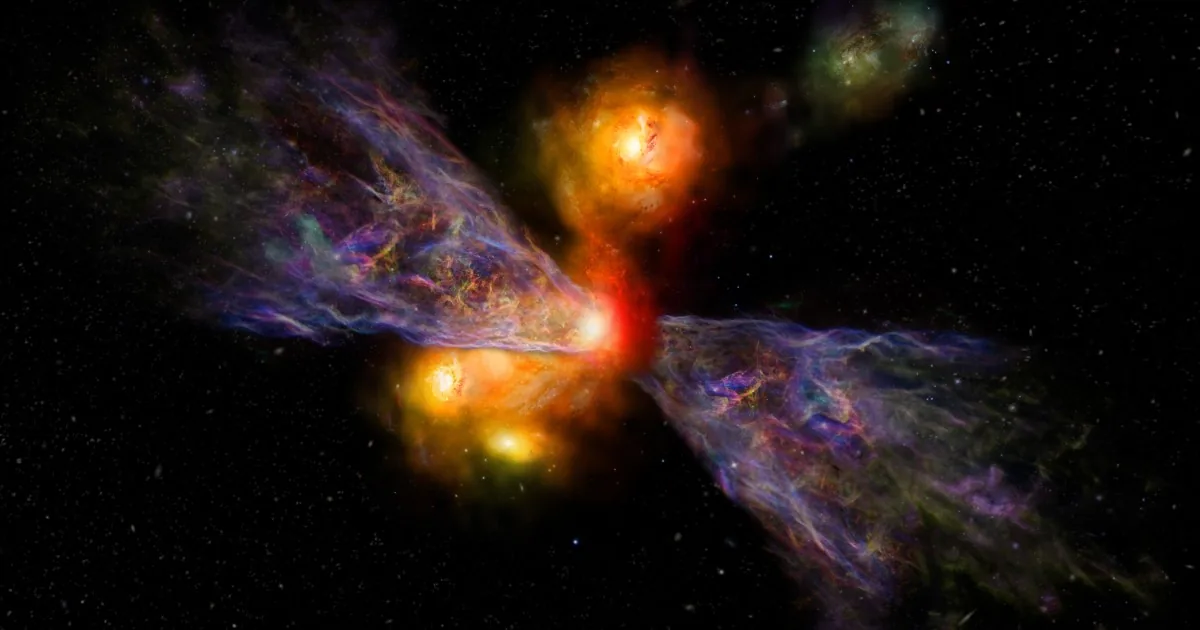
Astronomers have identified a massive network of molecular gas filaments shedding light on the birth processes of massive stars in the outer reaches of the Milky Way. Dense regions known as hubs, where filamentary structures composed of star-forming materials converge, serve as primary nurseries for high-mass stars. While these complexes are known as hub-filament systems, recent observations revealed an exceptionally large network named the λ-complex on the galaxy's periphery.
Structure and Scale of the Giant Gas Network
The research paper detailing the discovery was published in the Monthly Notices of the Royal Astronomical Society on November 17. Observational data demonstrate that the λ-complex spans a scale larger than most known hub-filament systems previously mapped within our galaxy. This vast web of interconnected molecular gas filaments illustrates how cold gas flows toward dense central nodes to feed the seeds of massive stellar formation.
Implications for Star Formation Models
Star formation processes in the outer galaxy operate under environmental conditions distinct from those in the inner galactic disk. The discovery of the λ-complex redefines the spatial limits and mechanisms of gas transport required for the birth of high-mass stars and stellar clusters. Researchers plan to conduct further detailed follow-up observations of this giant structure to better understand the evolution of stellar nurseries and star-formation efficiency in the galaxy's outskirts.
Comments
Loading comments...