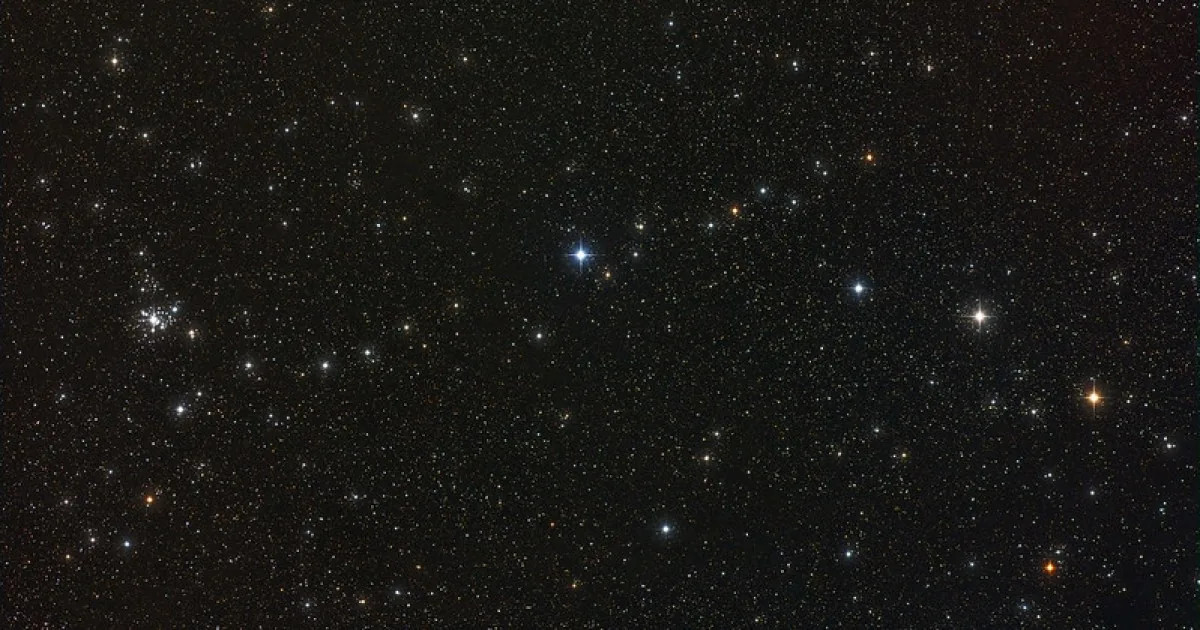
Observation Opportunity and Celestial Position
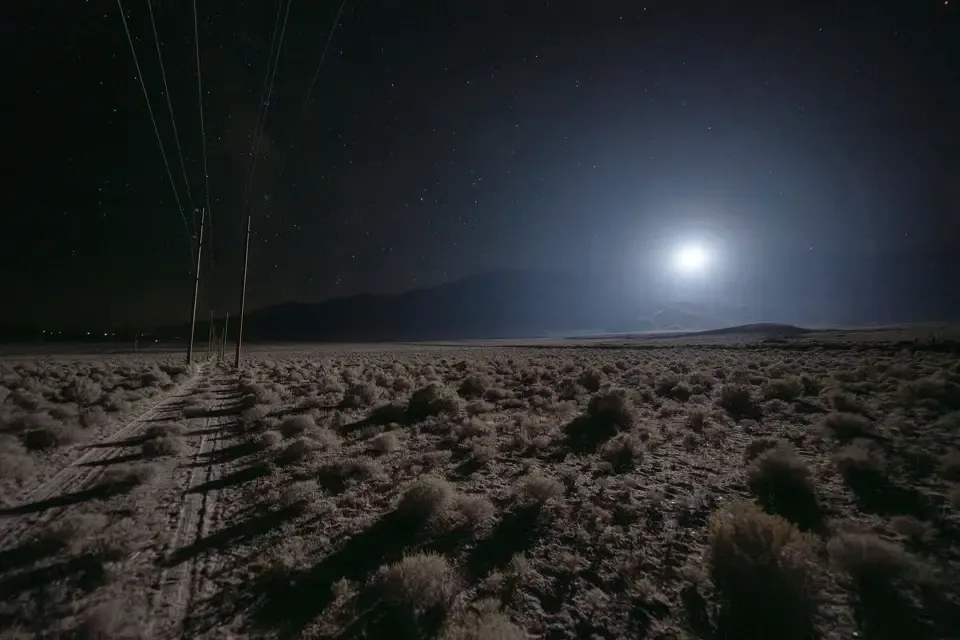
At the end of October, a notable stargazing opportunity presents itself for astronomy enthusiasts. Although the bright light of October's Hunter’s Moon washes out dimmer celestial targets, not all deep-sky objects are beyond reach. Late in the evening, the constellation Camelopardalis in the northern sky stands out as an appealing target for observers.
Kemble’s Cascade and Alignment with the Little Dipper
The constellation Camelopardalis is situated to the right, or east, of the Little Dipper. Despite the moonlit background, deep-sky features such as Kemble’s Cascade located within this region remain accessible to stargazers. Careful viewing allows observers to spot these targets even when moonlight brightens the night sky.
Scientific Significance and Future Stargazing
While lunar phases influence deep-sky visibility, targets located near the northern sky provide valuable opportunities throughout this period. Tracking such seasonal sky events helps amateur astronomers refine their observation techniques and gain a deeper understanding of celestial maps.

Comments
Loading comments...