Striking Polar Parallels Between Two Planets
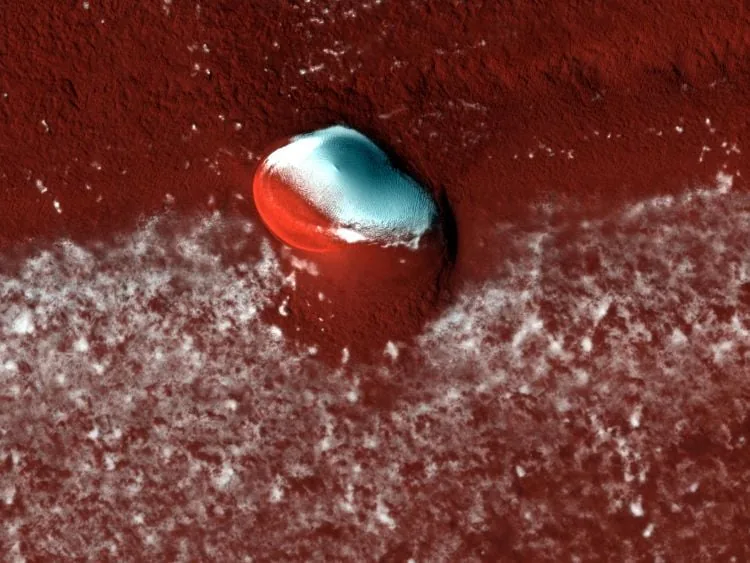
Among the eight planets in our solar system, Mars shares an extraordinary array of landforms and weather dynamics with Earth. Both worlds feature distinct changing seasons, towering volcanoes, vast canyons, dust storms, dust devils, and extensive water ice deposits. Perhaps the most prominent feature shared by both planetary bodies is the presence of polar ice caps. These massive ice reservoirs dominate the polar landscapes and serve as central targets for planetary scientists investigating atmospheric cycles.
Contrasting Compositions Across Martian Poles
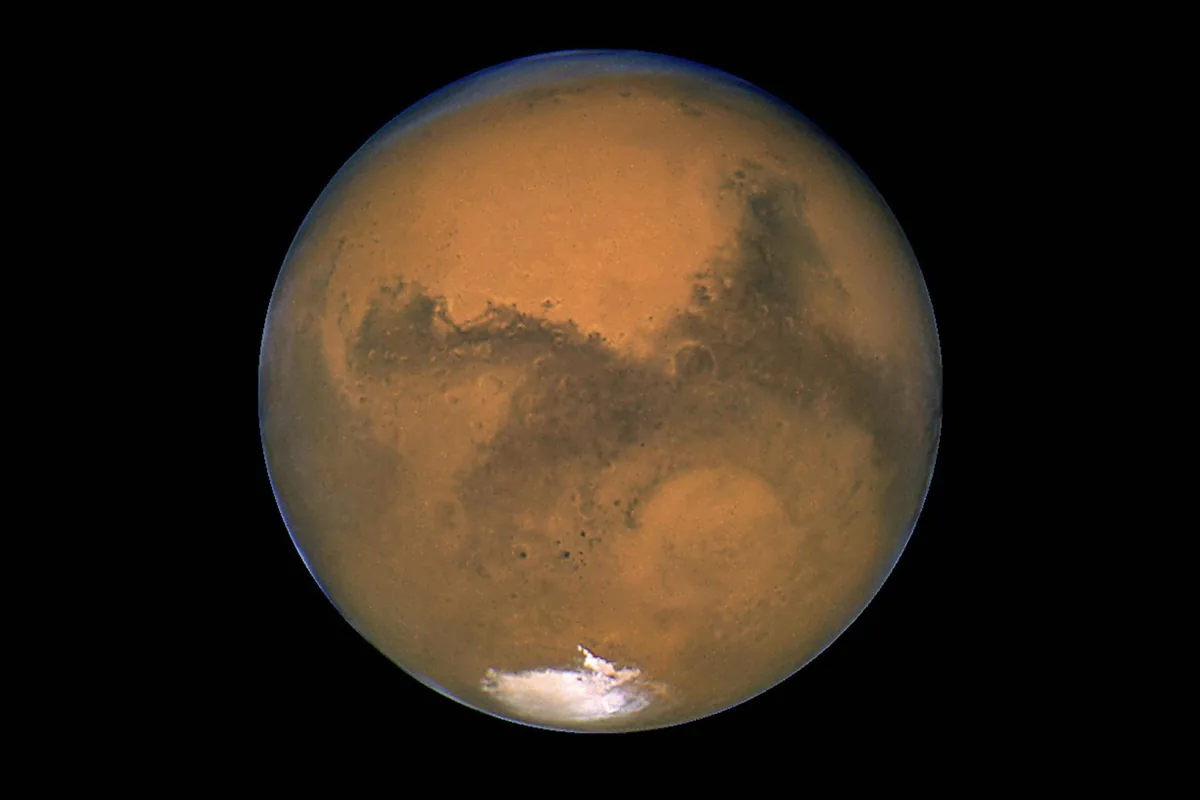
While Earth's polar ice caps are both primarily composed of frozen water, Mars presents a stark asymmetry between its hemispheres. The northern polar cap of Mars consists almost entirely of water ice, whereas its southern counterpart is predominantly composed of frozen carbon dioxide. This compositional disparity is largely dictated by differences in altitude. Owing to its rich water ice reservoirs, the northern polar ice cap has become one of the most intensively surveyed and studied regions on the Red Planet.
Seasonal Frost Dynamics and Climatic History
The water ice held within Martian northern polar craters undergoes ongoing structural shifts in response to seasonal frost and orbital cycles. Comparing these seasonal variations to the polar ice shifts observed on Earth offers critical insight into the behavior of the Martian atmosphere. By decoding the cyclical responses and layered deposits of this northern water ice, researchers strive to reconstruct the broader climate history and volatile distribution of Mars across geological eras.
Comments
Loading comments...