
A New Theoretical Perspective on Black Hole Splitting
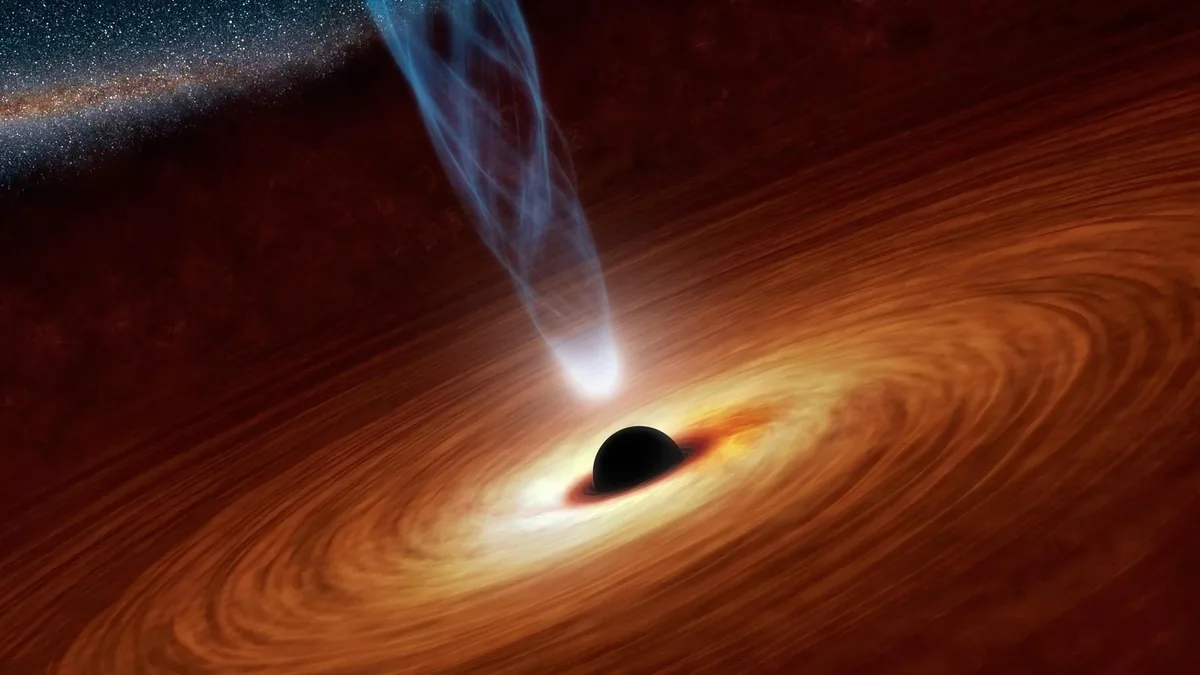
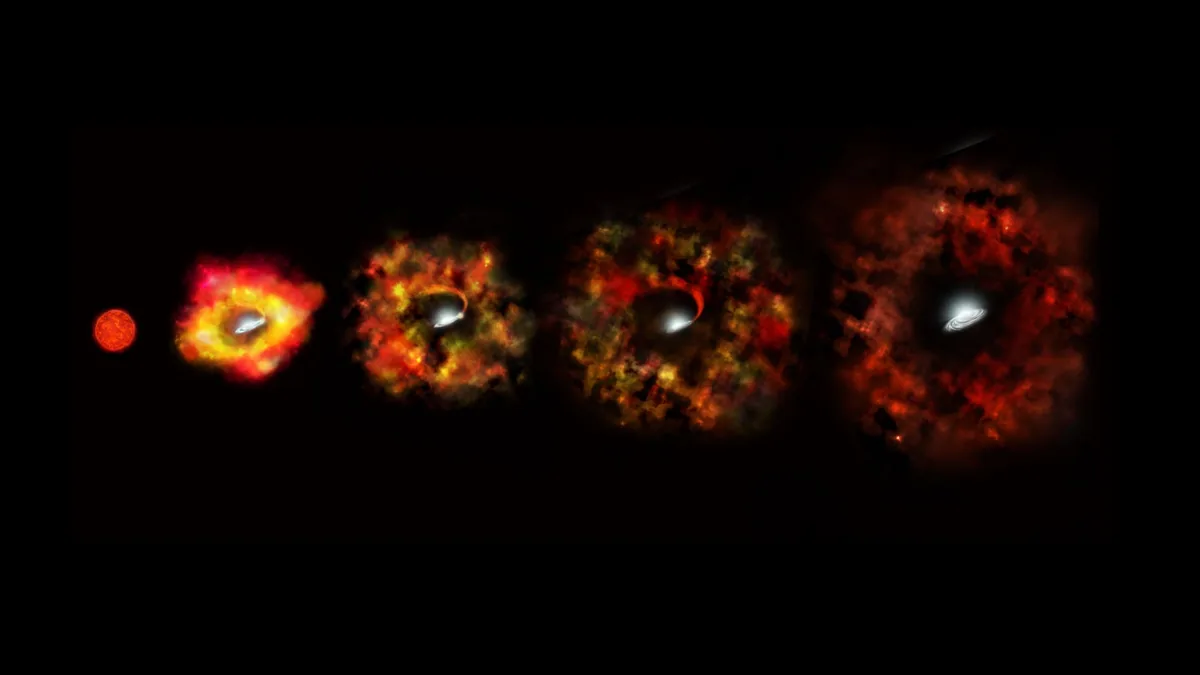
In astrophysics, two black holes colliding and merging into a single massive object is a well-established phenomenon. However, a new theoretical study investigates whether the reverse process could occur. Scientists are exploring whether a single black hole spinning near its maximum possible rate could theoretically split into two smaller black holes under extreme physical conditions.
Topological Calculations in Physical Review D
The research, published in the journal Physical Review D under the title 'When Black Holes Admit Pair-of-pants Topologies,' uses complex mathematical models to analyze the geometric and topological evolution of event horizons. Researchers examined the spacetime behavior around black holes rotating at near-maximum speed to evaluate the theoretical feasibility of a single horizon splitting into two.
Impact on Physics Models and Astrophysical Understanding
These theoretical insights challenge existing paradigms in gravitational physics and black hole dynamics. The mathematical calculations provide a foundation for refined physical models that could eventually be tested or constrained by future gravitational wave observations and theoretical astrophysics studies.
Comments
Loading comments...