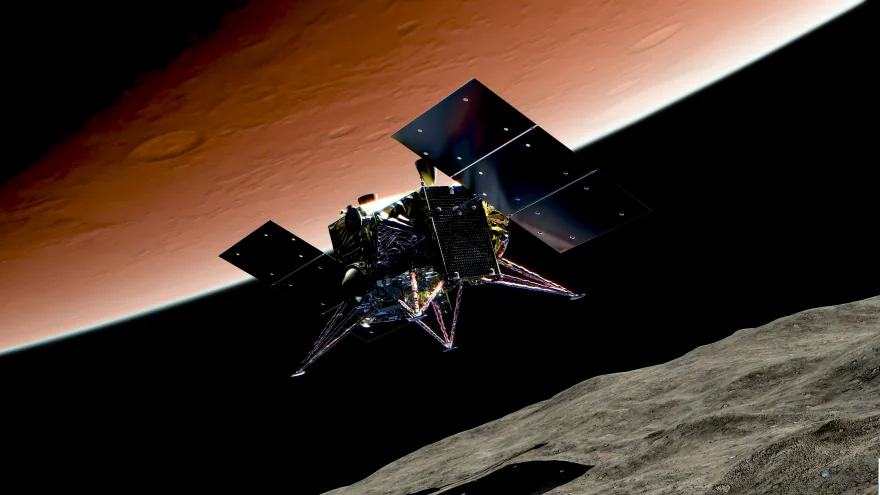
A Journey from Tanegashima to the Red Planet
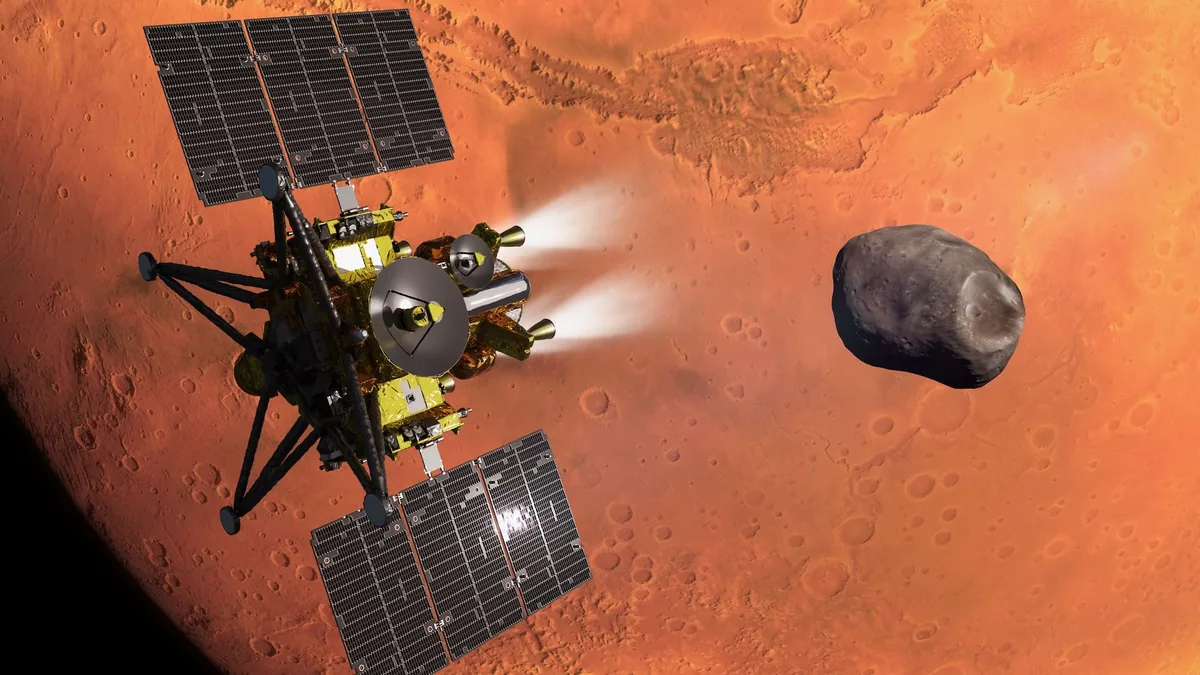
Japan has launched one of its most ambitious interplanetary ventures to date, sending the Martian Moons Exploration (MMX) mission toward the Red Planet. The spacecraft lifted off from the Tanegashima Space Center on the southern tip of Japan in the predawn hours of Tuesday, October 20th. Lighting up the morning sky, the departure marks a major step forward for Japan's planetary exploration program as it sets its sights on the enigmatic moons orbiting Mars.
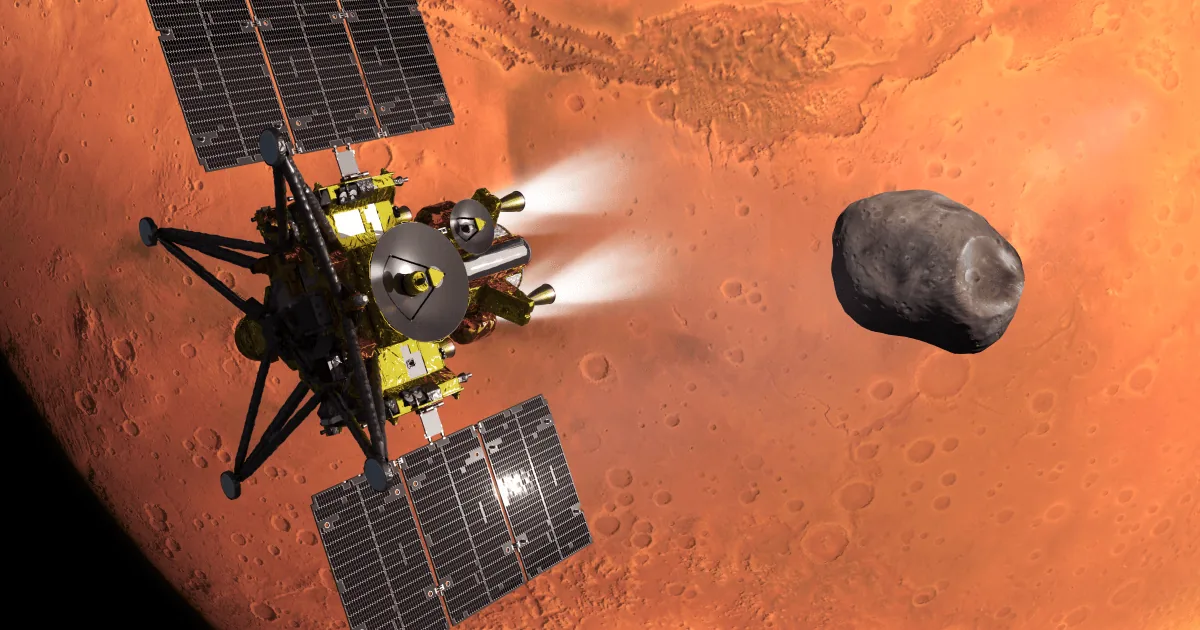
Coinciding with 3:41 p.m. EDT on October 19th, the launch proceeded smoothly from the coastal complex under the close watch of the global spaceflight community. The mission is designed to conduct extensive observations of Mars's moons, addressing fundamental questions about their origins and gathering essential scientific data from their unique orbital environments.
The Power of the Two-Stage H3 Rocket
The spacecraft was carried into space by a two-stage H3-24L rocket, the flagship configuration of Japan's newly operational launch vehicle series. The rocket's powerful engines cut through the dark sky over Tanegashima, successfully providing the velocity and trajectory needed to propel the MMX spacecraft out of low-Earth orbit and into its interplanetary transit path toward Mars.
Performance throughout the ascent met nominal flight expectations, with stage separation occurring as scheduled. The flight validation of the H3-24L configuration under the high-energy demands of an interplanetary trajectory highlights the vehicle's readiness for demanding deep space robotic exploration missions.
Unlocking Secrets of the Solar System
The successful launch of the Martian Moons Exploration mission represents a crucial milestone for planetary science and orbital mechanics. The moons of Mars are widely regarded as primitive time capsules preserving pristine material from the earliest stages of solar system formation. Scientists remain divided on whether these small bodies are captured asteroids or the accumulated debris of a colossal impact with Mars.
Once the spacecraft enters the Martian system, its suite of scientific investigations will analyze the composition and physical characteristics of the moons. The mission aims to reshape models of rocky planet evolution, potentially explaining how volatiles and water-rich materials were distributed across the inner solar system during its formative epochs.
Comments
Loading comments...