Overturning the Perfect Sphere Model for Exoplanets
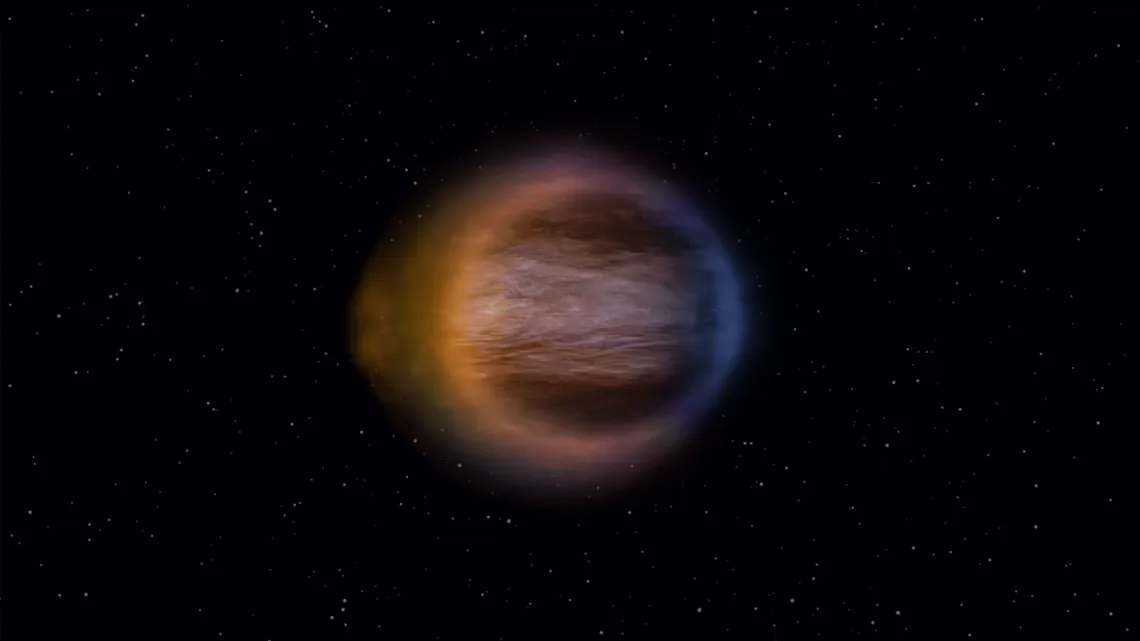
Exoplanets are often pictured as smooth, symmetric spheres crossing directly in front of their host stars. However, a new study published in Nature Astronomy by researchers from Cornell University and the University of Bristol details the first-ever discovery of a noticeably lopsided exoplanet using data from the James Webb Space Telescope (JWST).
Atmospheric Measurements and Blistering Winds
JWST's high-precision spectroscopic and light-curve measurements enabled researchers to detect structural asymmetries between the planet's atmospheric boundaries. The observational data confirmed the presence of extreme, scorching evening winds driving atmospheric variations across its terminator regions.
Impact on Planetary Models and Future Observations
This finding forces a re-evaluation of existing theoretical models concerning exoplanetary atmospheres and structural dynamics. Astronomers plan to utilize JWST for further observations to determine if similar atmospheric asymmetries exist across other exoplanetary systems.


Comments
Loading comments...