Nova Investigations in the Large Magellanic Cloud
In a comprehensive study led by Allen W. Shafter and published in the Astrophysical Journal Supplement Series (ApJS), novae observed in the Large Magellanic Cloud were examined. Researchers conducted detailed modeling to analyze the physical mechanisms and system structures behind the nova outbursts in this nearby dwarf galaxy.
Comparing Mass, Luminosity, and Evolution Rate
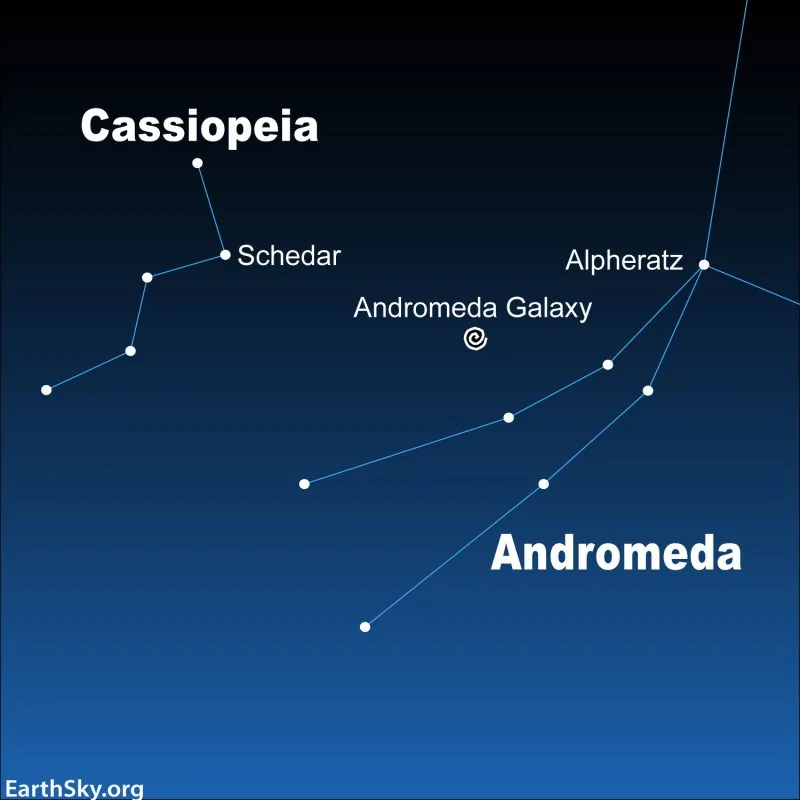
The modeling results reveal that novae in the Large Magellanic Cloud show distinct differences compared to those in the Andromeda Galaxy (M31). According to the analysis, outbursts in the Large Magellanic Cloud tend to be associated with more massive white dwarfs. Additionally, these novae reach higher luminosities and undergo a significantly faster evolutionary process than their Andromeda counterparts.
Impact of Galactic Environments on Stellar Evolution
These findings clearly highlight the direct influence of different galactic environments and galactic structures on white dwarf masses and nova dynamics. The research team plans to continue modeling efforts to better understand the underlying star formation histories and physical conditions responsible for these intergalactic variations.
Comments
Loading comments...