The Search for a Hybrid Between Solid and Liquid Fuels
In rocket propulsion system design, engineers have long faced a fundamental trade-off between solid and liquid rocket fuels. While solid fuels offer ease of storage, long shelf life, and high reliability, liquid fuels provide superior control over thrust levels and restart capabilities. To maximize the operational efficacy of both fuel types, researchers have long focused on developing gel-based hybrid fuels that combine the best characteristics of solids and liquids.
Solving Gel Fuel Issues with Lecithin
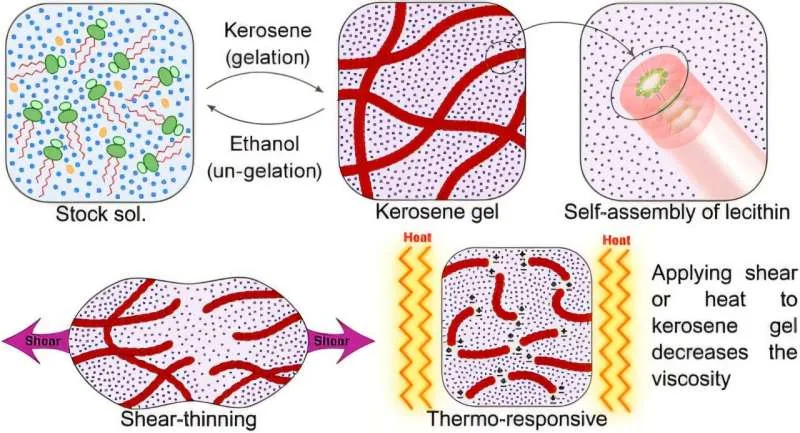
Despite their immense potential, gel fuels present complex engineering challenges related to physical stability and rheological behavior during storage and feed operations. In a new study published in the journal Langmuir, Pranay Mudaliar and Jerin John from Concordia University utilized an unexpected ingredient to overcome these chronic obstacles. The team successfully applied lecithin, an emulsifier commonly used in food processing to bind ingredients, to elegantly resolve key instability issues in gel propulsion formulations.
Implications for Future Rocket Propulsion
The application of a common food additive to solve one of rocketry's oldest engineering problems marks a novel breakthrough in propulsion science. This creative approach could render gel propulsion systems far more practical, predictable, and safe for future space missions. Moving forward, the researchers plan to perform further experimental testing to evaluate the combustion efficiency and dynamic performance of lecithin-stabilized gels under simulated spaceflight conditions.



Comments
Loading comments...