Background of the Discovery and Research Team
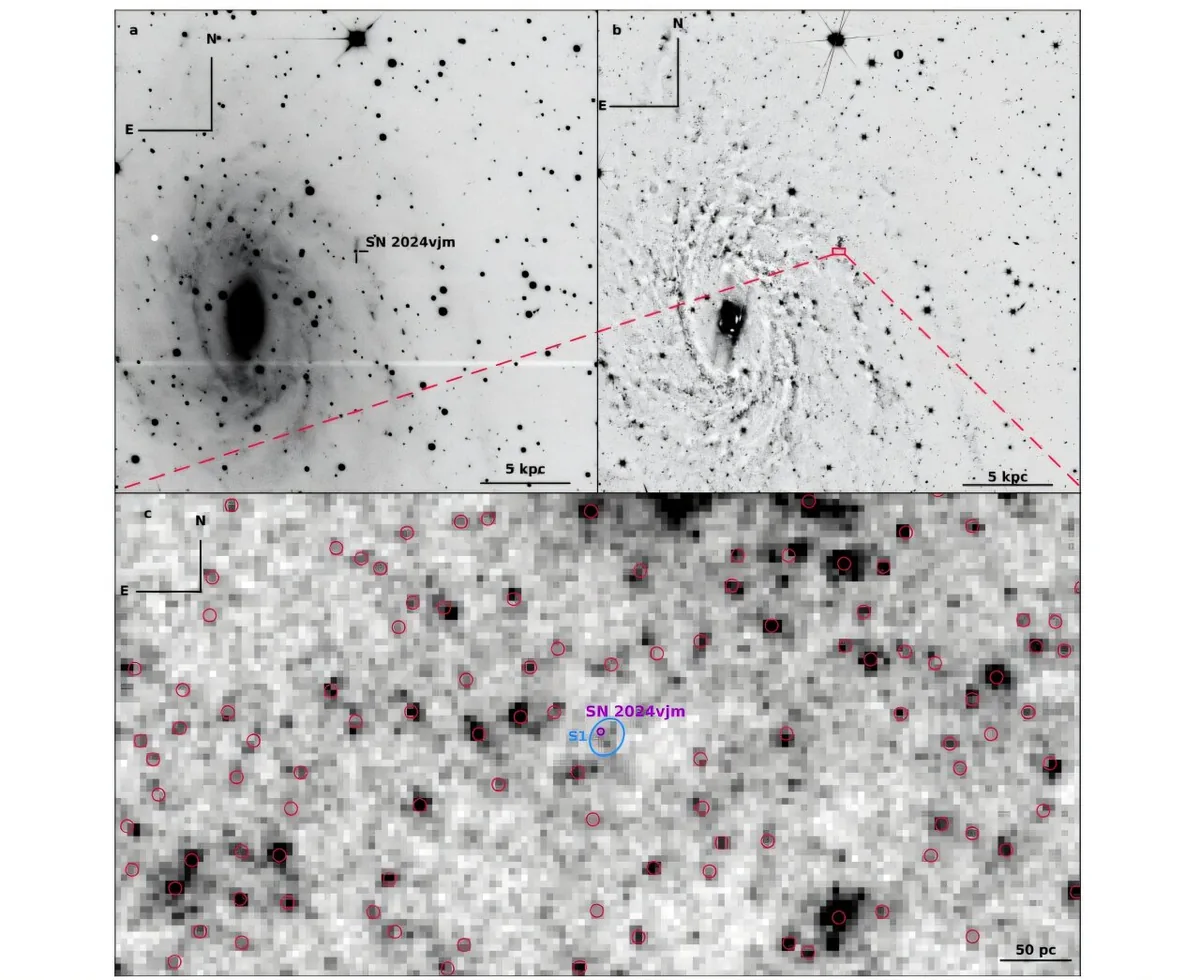
An international team of astronomers, including Paul Groot of Radboud University, has made a discovery set to alter astrophysical literature. Recent observations demonstrated that supernova explosions do not always have to exhibit immense brightness contrary to common belief. The researchers succeeded in identifying the faintest supernova explosion recorded to date.
In this study published in Nature Astronomy, it was shown that giant stellar explosions in the universe can deviate from standard brightness patterns. Emitting extremely faint light, this stellar explosion sparked great curiosity within the astronomical community.
Observation Details and Physical Measurements
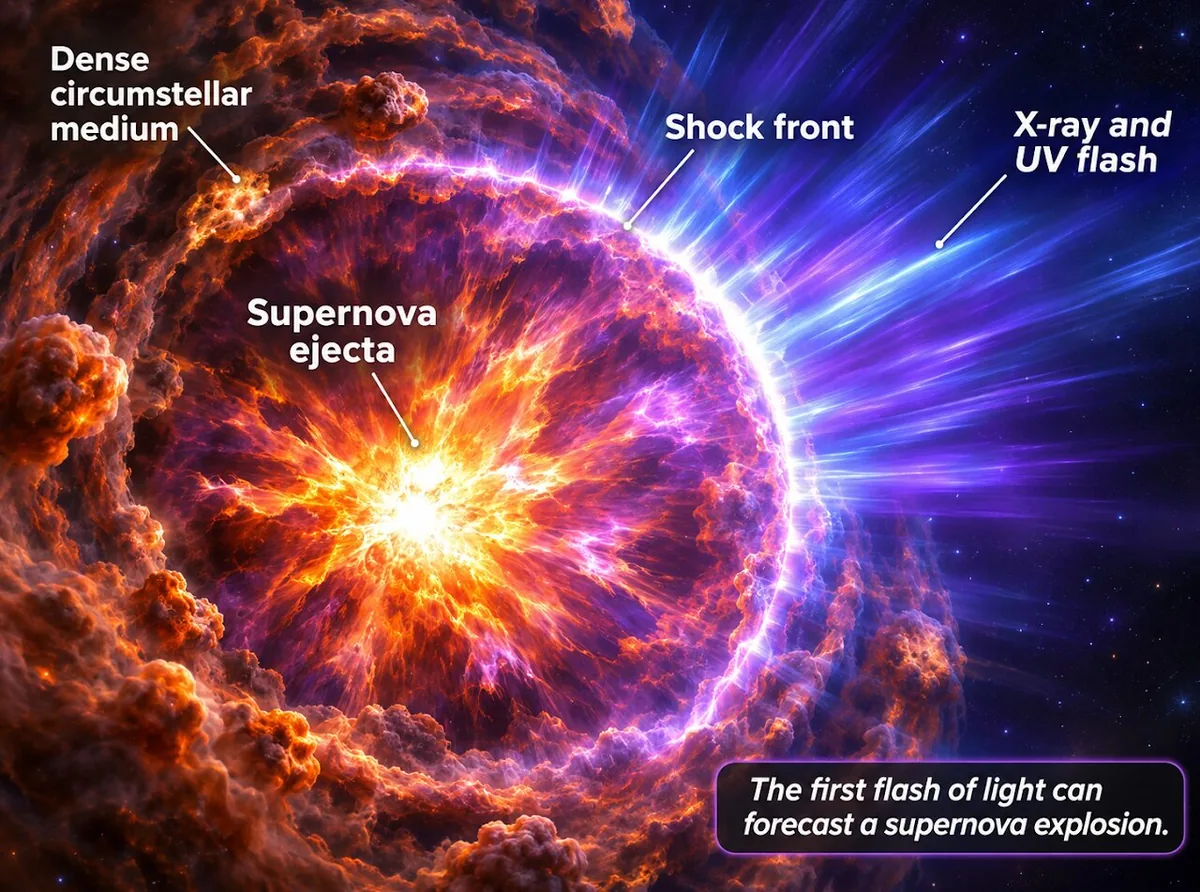
The detected supernova exceptionally managed to remain visible for nearly a full year. Unlike standard supernovae, the mechanism behind this event, which featured significantly low luminosity, was analyzed in detail. Physical analyses and light measurements revealed that the explosion appears to have been caused by a white dwarf and a relatively small companion star.
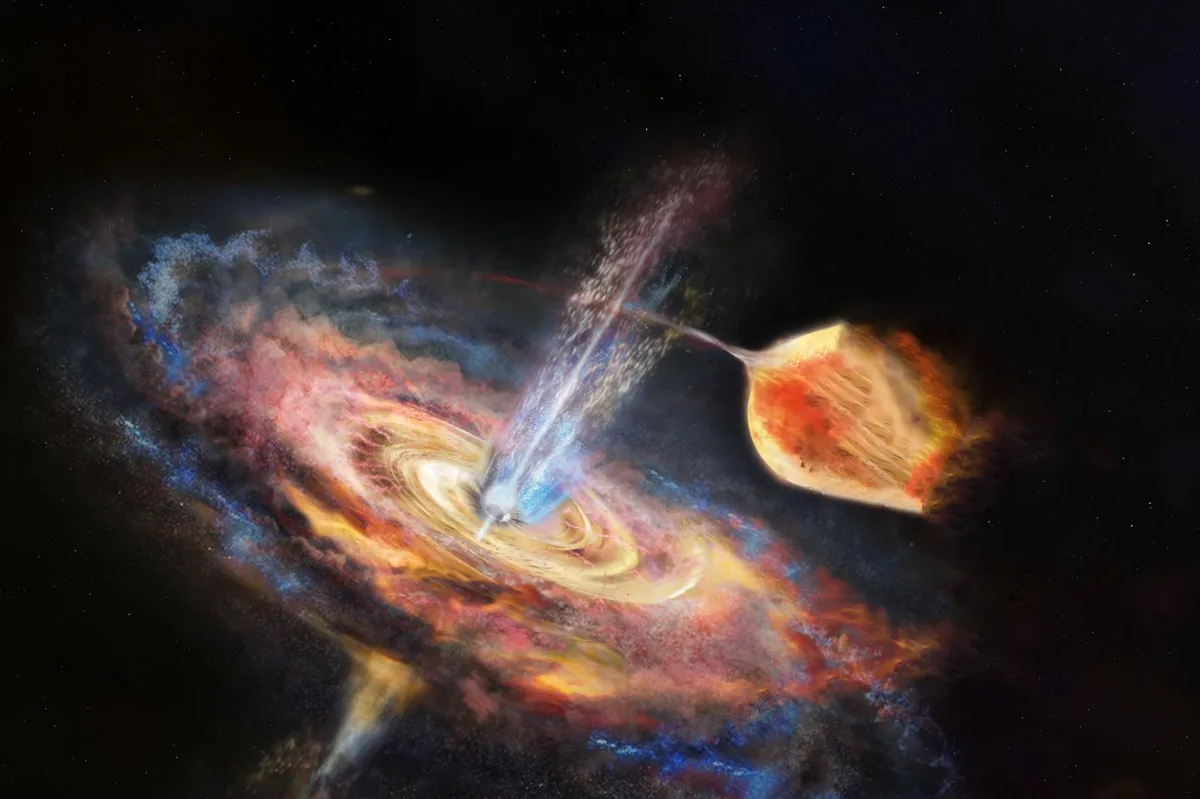
This interaction in the binary star system occurred as a result of matter transfer and gravitational dynamics. Triggered by the white dwarf pulling material from its companion star, this explosion process exhibited a physical mechanism distinct from conventional high-energy supernova models.
Scientific Significance and Impact on Cosmological Models
This extraordinary discovery will prompt astronomers to revise their theoretical models regarding the evolution of binary star systems. Understanding the lifecycles and explosion mechanisms of double stars benefits greatly from critical data provided by such faint yet long-lasting explosions.
Furthermore, these findings may contribute to refining standard candle sources and cosmological distance calculations used to measure the expansion rate of the universe. Astronomers plan to continue observational efforts to identify similar faint explosions.

Comments
Loading comments...