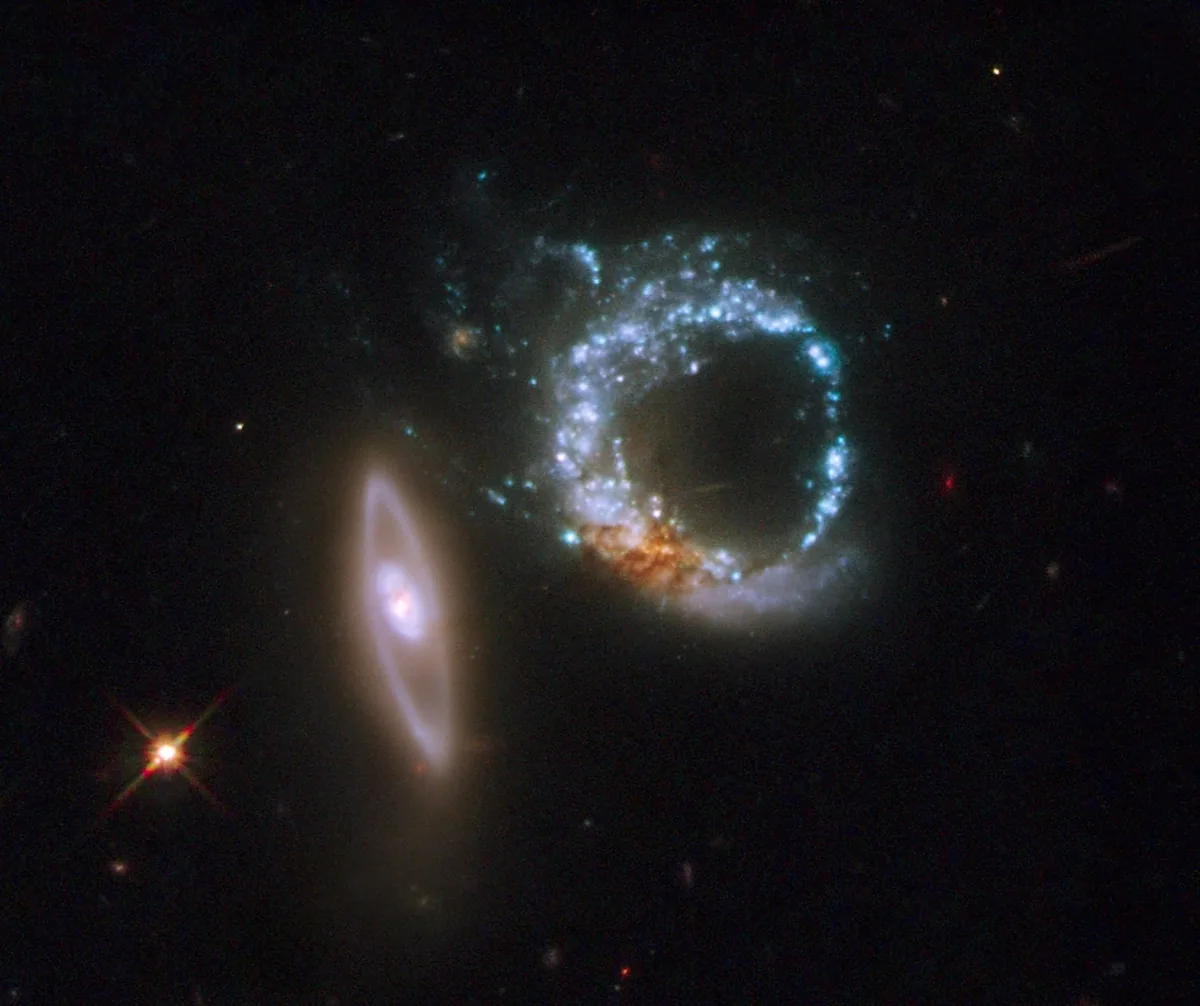
Environments Shaping Black Hole Growth
Recent astrophysical studies emphasize that the evolutionary fate of a black hole is heavily influenced not just by its initial mass, but by the cosmic environment in which it forms and matures. A new research breakdown featured on Astrobites introduces an innovative diagnostic tool designed to trace how local cosmic neighborhoods shape the lifecycles of wandering and supermassive black holes alike.
Diagnostic Methodology and Data Analysis
The newly devised diagnostic framework incorporates environmental variables such as local gas density, gravitational potential, and surrounding stellar populations. By processing these parameters, the tool quantifies how a black hole's immediate natal environment directly dictates its accretion efficiency and long-term evolutionary trajectory over cosmological timescales.
Cosmological Impact and Future Prospects
This diagnostic approach offers vital perspective on long-standing questions regarding how supermassive black holes attained immense masses in the early universe. Astronomers plan to integrate this analytical tool with upcoming high-resolution observational datasets to unravel the co-evolutionary mechanisms linking black holes to their host galaxies.

Comments
Loading comments...