
November Full Moon and Historical Background
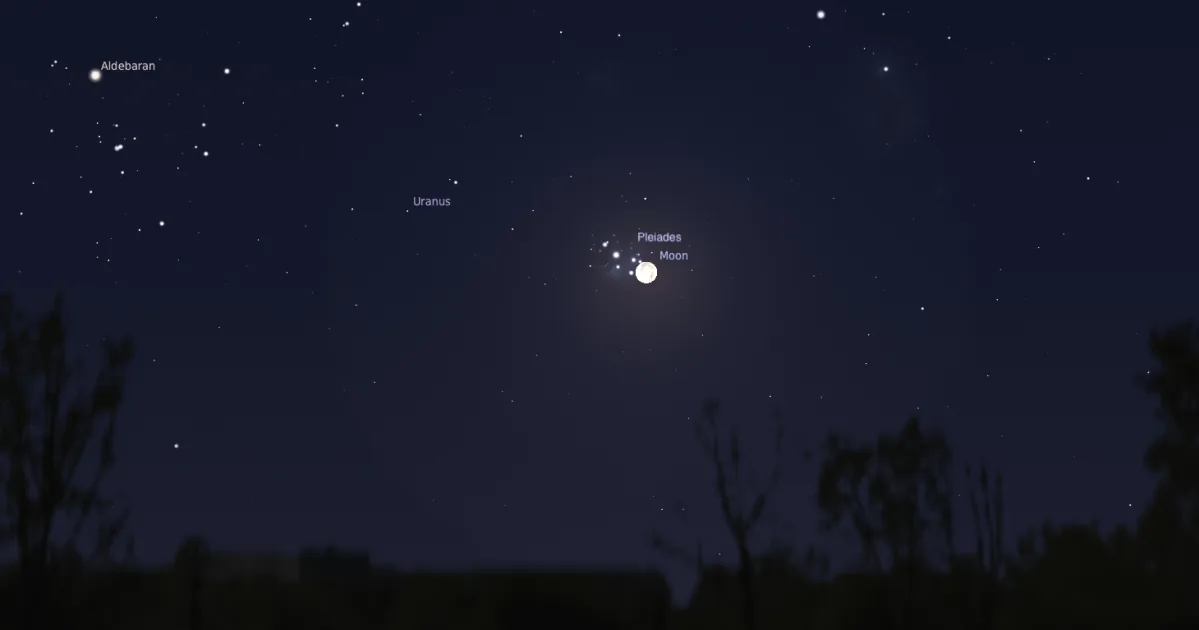
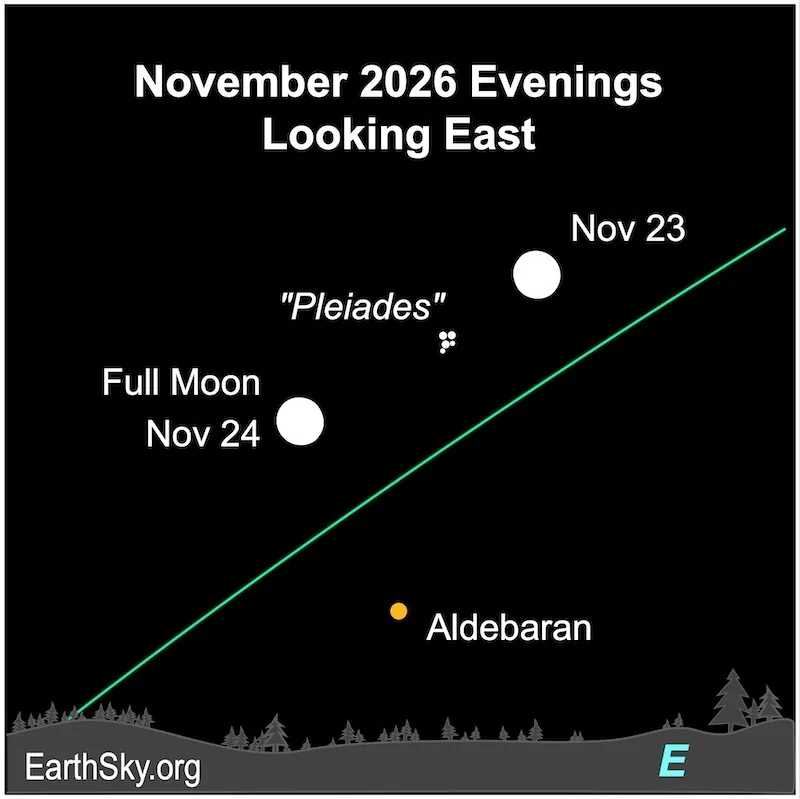
The November full moon, traditionally known as the Beaver Moon, reaches peak illumination on Nov. 24 at 14:53 GMT (9:53 a.m. EST). Drawing its name from North American traditions marking the time when beavers actively construct winter shelters, this lunar event offers a striking view as the lunar disk stands completely illuminated opposite the Sun in our sky.
Supermoon Mechanics and Orbital Data
What sets this full moon apart is its occurrence near perigee, the closest point to Earth in the Moon's 27-day elliptical orbit. Meeting the definition of a 'supermoon' by passing within 90% of perigee, the natural satellite will appear up to 14% larger and 30% brighter compared to a full moon occurring near apogee, commonly referred to as a micro-moon.
Observation Tips and Astronomical Significance
Rising in the eastern sky shortly after sunset, the Beaver Supermoon can be easily observed with the naked eye without requiring specialized optics. Offering a spectacular photo opportunity for night sky watchers, this astronomical event serves as a clear, vivid demonstration of Earth-Moon orbital dynamics.

Comments
Loading comments...