Background and Key Dates of the Celestial Event
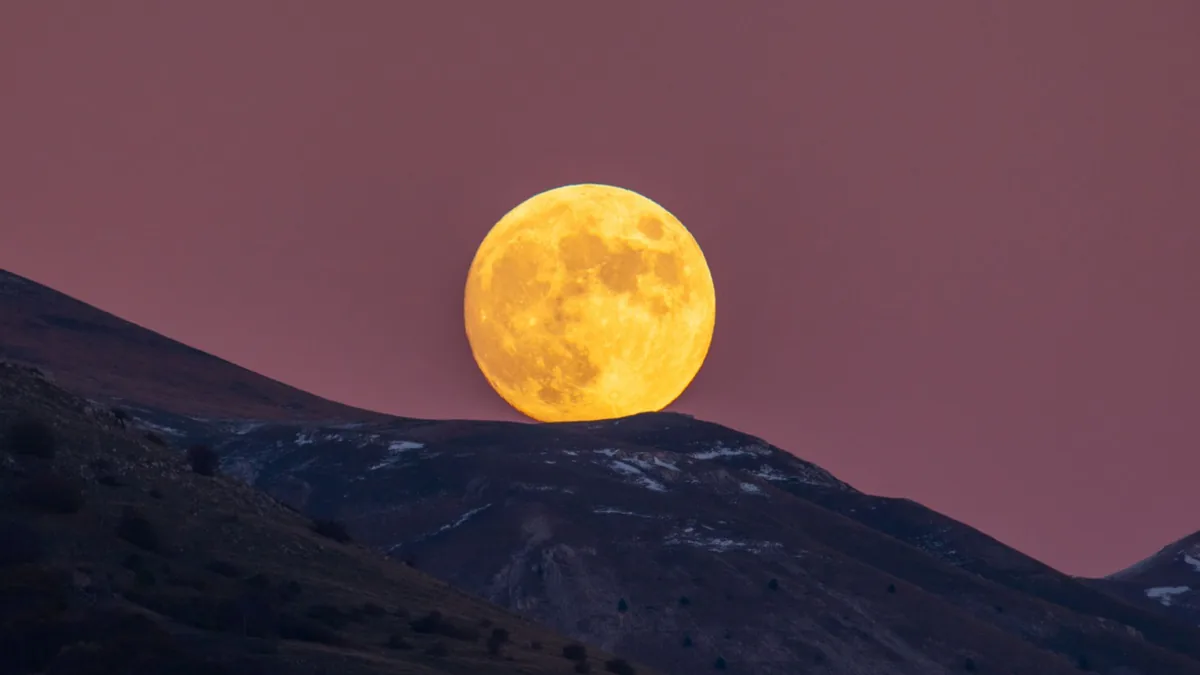
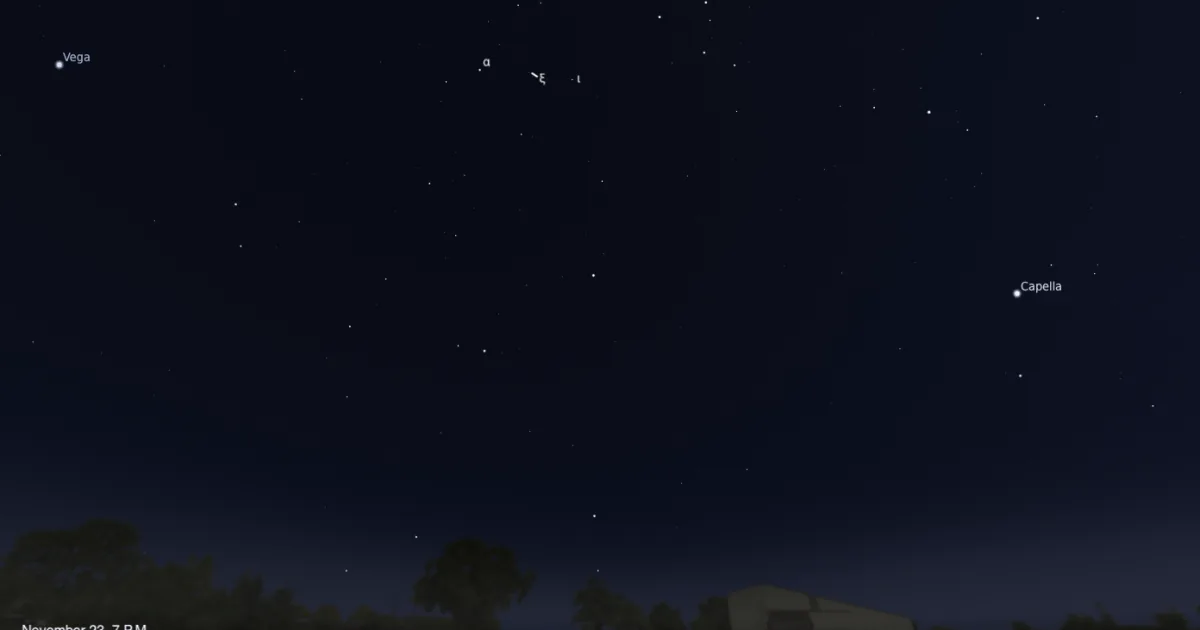
As late November arrives, skywatchers are presented with a series of exciting celestial events. According to observational schedules, November 23 featured the double star Kurhah in the constellation Cepheus as a prime viewing target. Shortly following this, Full Moon occurred at 9:54 A.M. EST, delivering the second Super Moon of the entire year to observers around the globe.
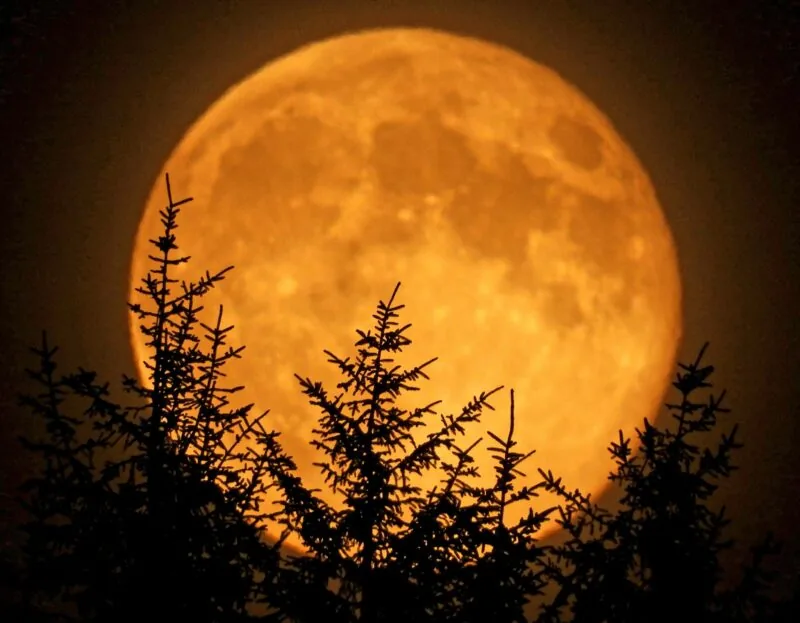
A Super Moon takes place when the Moon reaches its Full phase while situated near perigee, which is its closest point of approach to Earth in its elliptical orbit. This specific orbital geometry causes the lunar disk to appear noticeably larger and brighter than average, providing stellar viewing conditions for amateur and professional astronomers alike.
Super Beaver Moon and the Pleiades Occultation
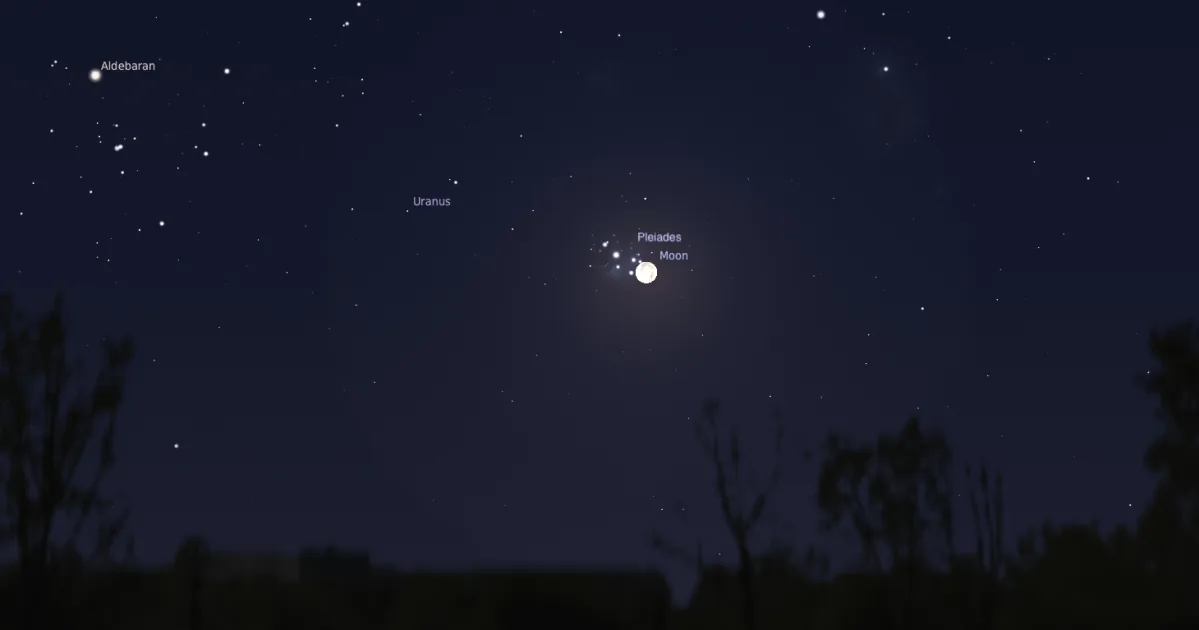
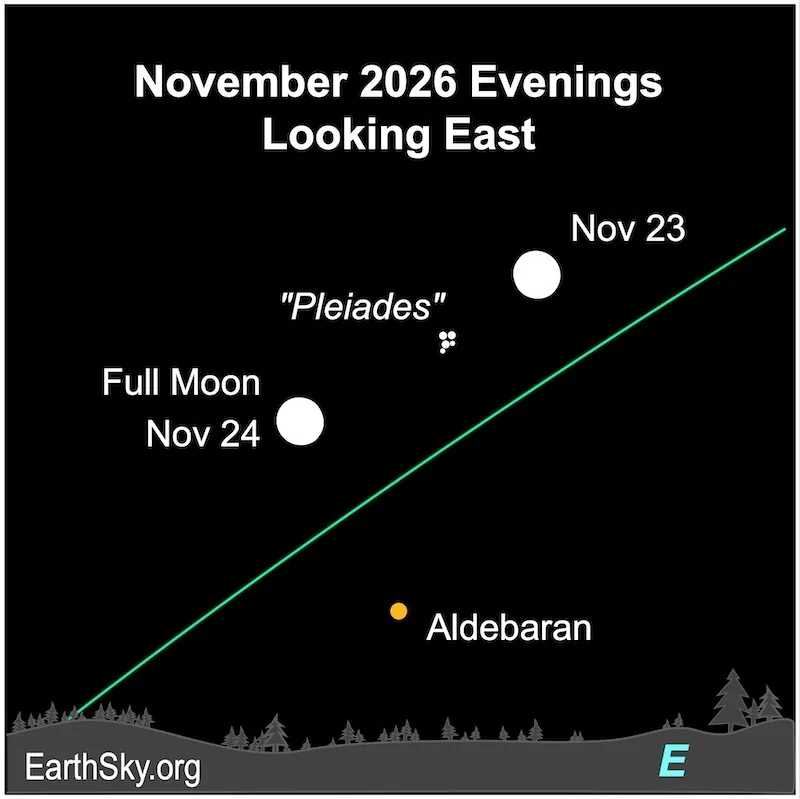
On Tuesday, November 24, one of the most remarkable sky events of the week takes center stage. Known colloquially as the Super Beaver Moon, the lunar disk passes directly in front of the Pleiades star cluster, creating an astronomical occultation that masks the distant stars.
An occultation occurs when a nearer celestial body passes in front of a more distant one from the observer's perspective. In this instance, the bright lunar surface temporarily blocks the light from stars within the Pleiades cluster, making it a highly anticipated event for optical and binocular observation.
Observational Significance and Sky Watching
The sequence of events this week offers astronomy enthusiasts a diverse window to study multiple sky targets in short succession. Ranging from binary star targets like Kurhah to major lunar phases and occultations, these events highlight the dynamic nature of night sky observations.
Under clear viewing conditions, observers and astrophotographers have the opportunity to document these rare celestial alignments. The combination of the year's second Super Moon and its passage across the Pleiades marks a highlight in the astronomical calendar for late November.
Comments
Loading comments...