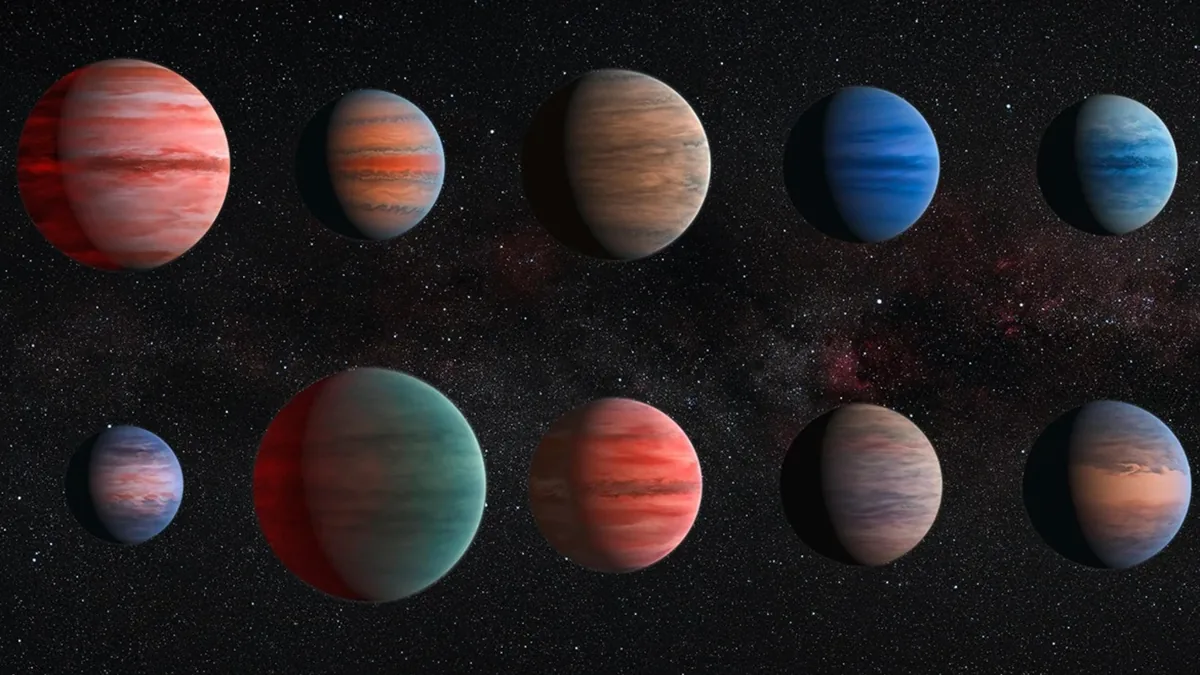
Unprecedented Observation in an Exoplanetary System
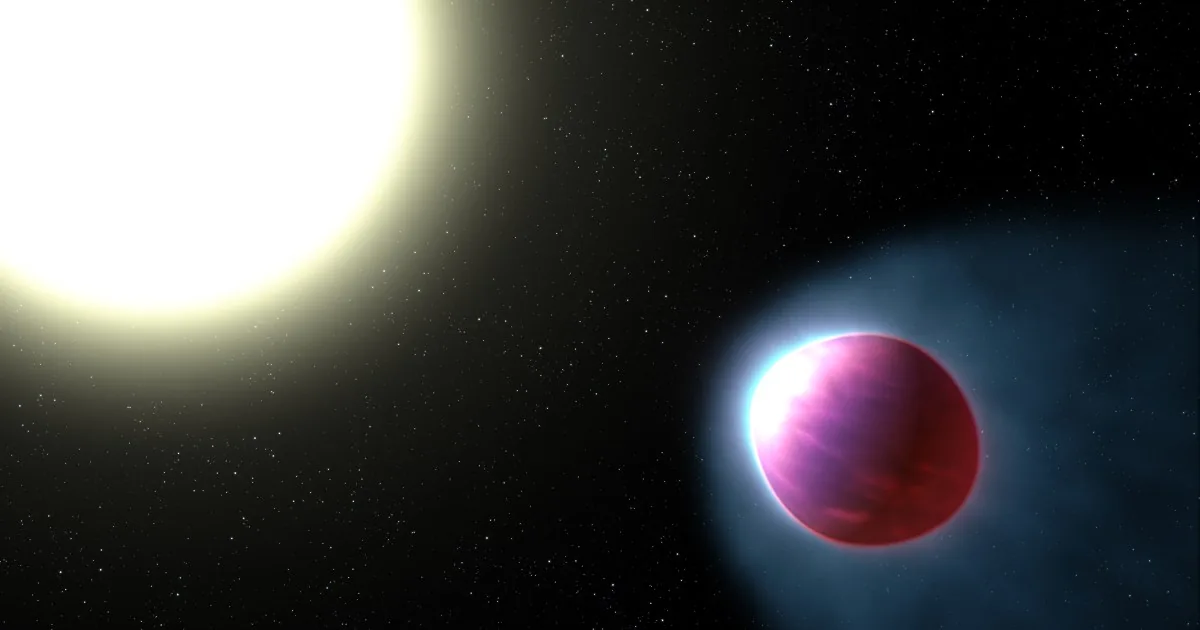
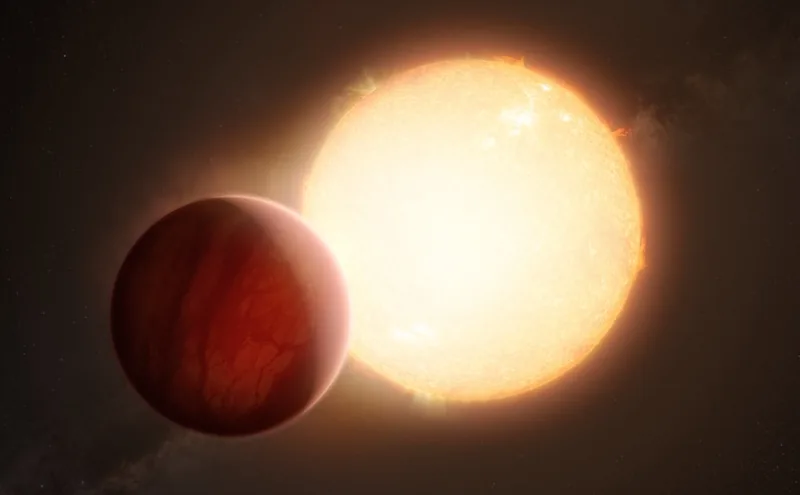
Astronomers tracking a distant giant planet have observed a phenomenon never recorded before. The massive world seemingly vanished from optical detection, prompting observational teams to reassess the orbital architecture of the parent stellar system.
Orbital Geometry and Eclipse Analogies
Early evaluations indicate that the disappearance is linked to orbital geometry rather than physical destruction. In the same way solar and lunar eclipses do not occur every month due to orbital tilt, the orbital inclination of this giant planet causes it to alternate in and out of visible transit paths.
Implications for Planetary Orbit Modeling
This vanishing event provides crucial empirical data for refining multi-body orbital dynamics in distant planetary systems. Researchers plan to deploy high-precision telescopes to monitor the system for the planet's anticipated reappearance along its projected orbital path.

Comments
Loading comments...