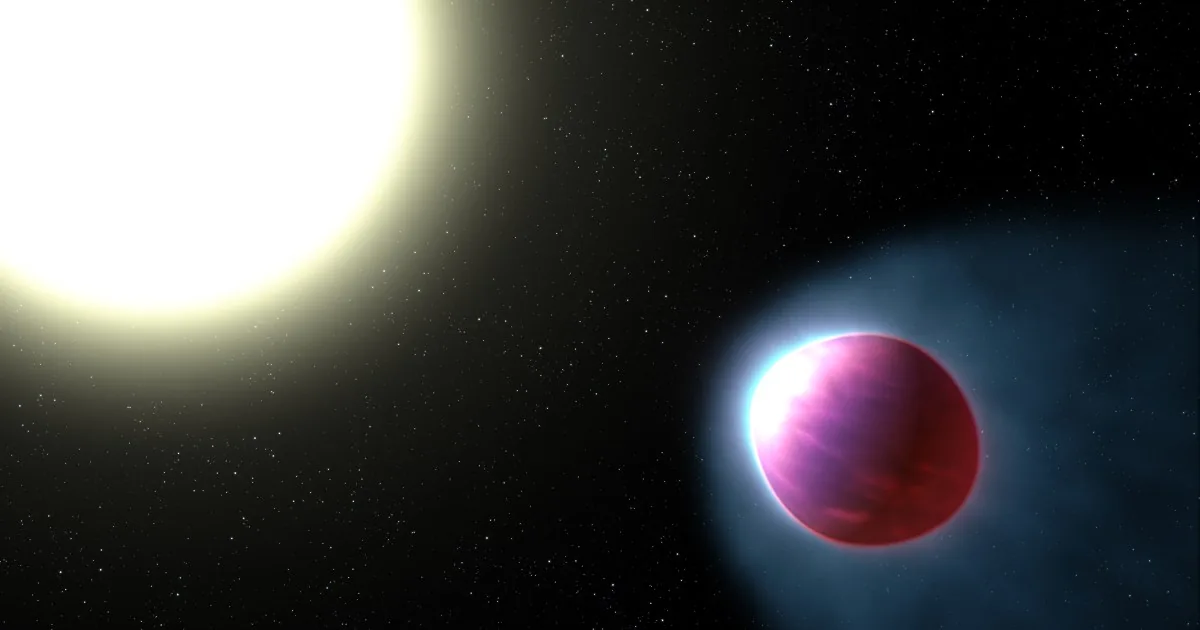
Gravitational Forces Shaping Planetary Bodies
In response to a query from Rich Livitski of Seal Beach, California, astronomical principles show that bodies large enough to be classified as planets possess enough mass for gravity to mold them into a roughly spherical shape. Gravity pulls mass inward toward the center, forming round structures.
Factors Beyond Spherical Symmetry and Shape Variations
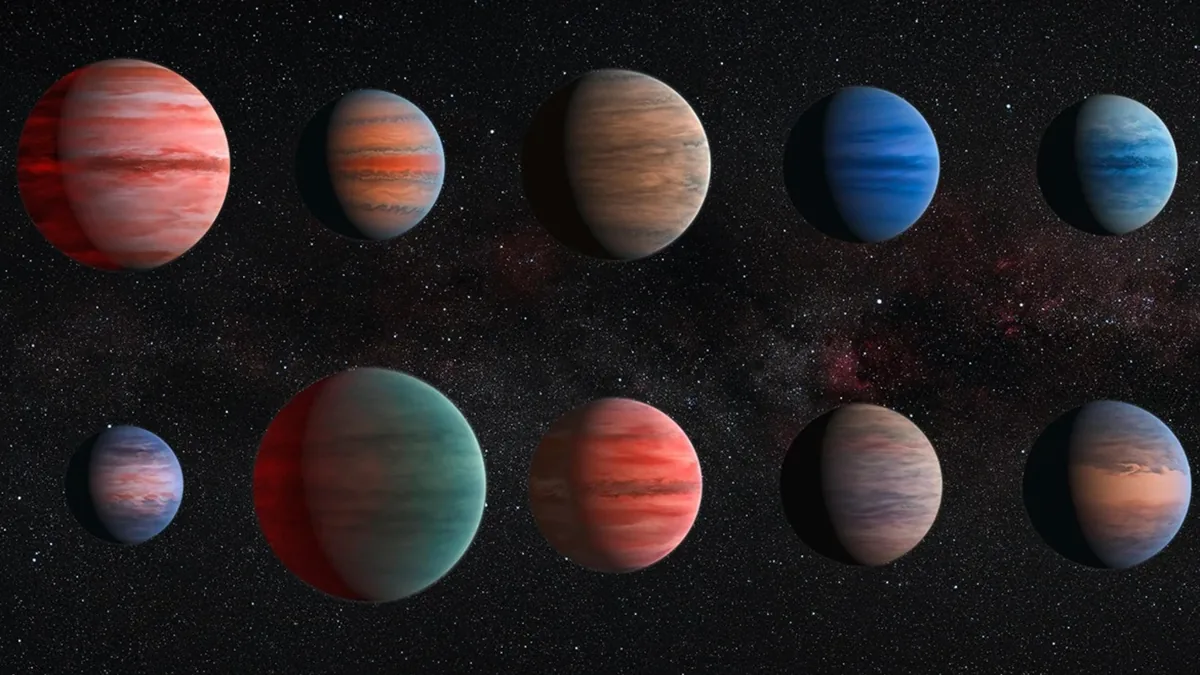
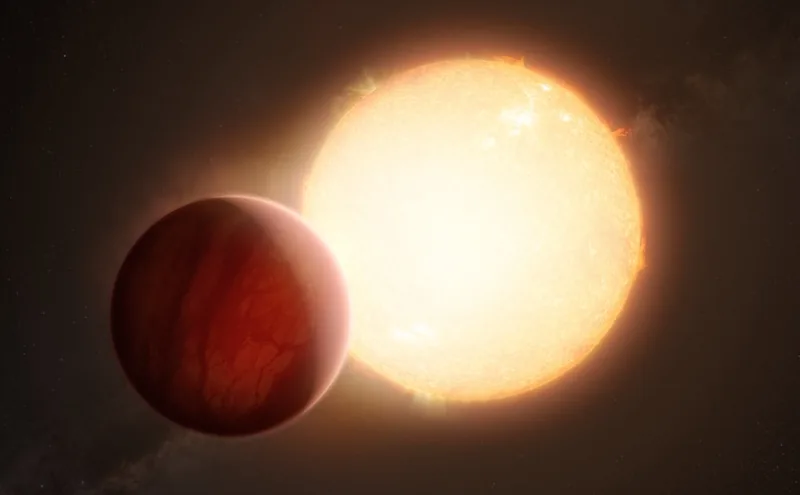
The key word in this classification is "roughly." Other factors come into play depending on composition, raising the question of whether planets orbiting other stars could assume non-spherical shapes such as ovals or pears rather than perfect spheres.
Implications for Exoplanet Models and Planetary Structure
Variations in planetary composition alongside additional physical dynamics can alter a planet's contour. Understanding these forces helps astronomers evaluate how non-spherical structures might exist among exoplanets orbiting distant stars.
Comments
Loading comments...