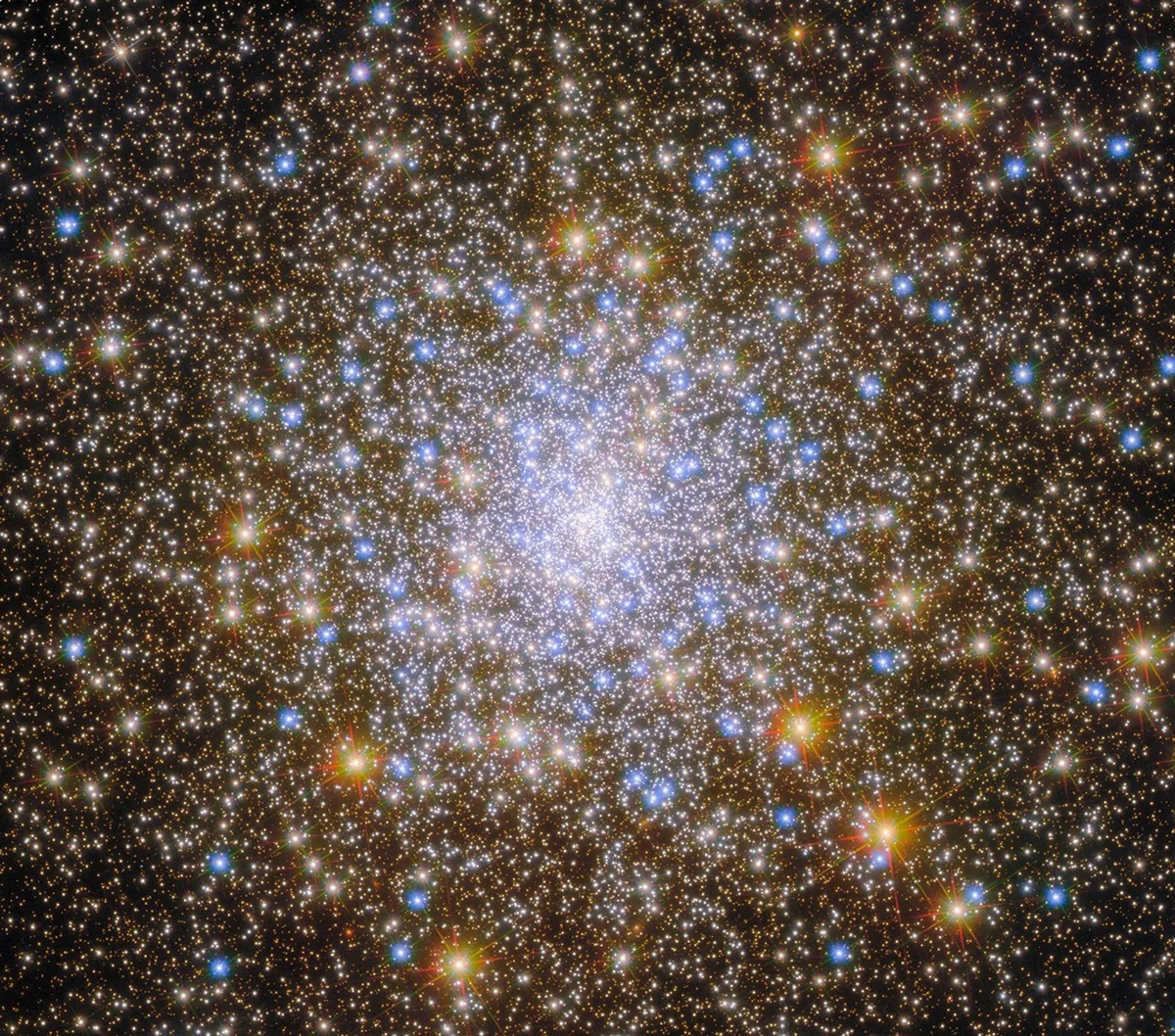
Messier 30 Through Hubble's Lens
Released on November 5, 2026, by the NASA/ESA Hubble Space Telescope, this new image provides a captivating view into deep space. The sparkling collection of stars, known as Messier 30 or M30, offers astronomers and space enthusiasts a vivid lesson in galactic history. This dense stellar grouping stands as one of the key cosmic structures helping researchers understand our galaxy's past.
Historical Observations and Naming
Messier 30 is named after the French astronomer Charles Messier, who cataloged M30 alongside other diffuse objects. During Messier's era, such fuzzy objects were frequently mistaken for comets through early telescopes, leading to the creation of his famous catalog to distinguish fixed deep-sky objects from moving comets.
Scientific Significance for Stellar Evolution
High-resolution imagery from advanced space observatories like Hubble allows scientists to analyze the internal dynamics and age of globular clusters. The detailed view of Messier 30 serves as a crucial data point for studying stellar distributions and the evolutionary processes of ancient star populations within galaxies.
Comments
Loading comments...