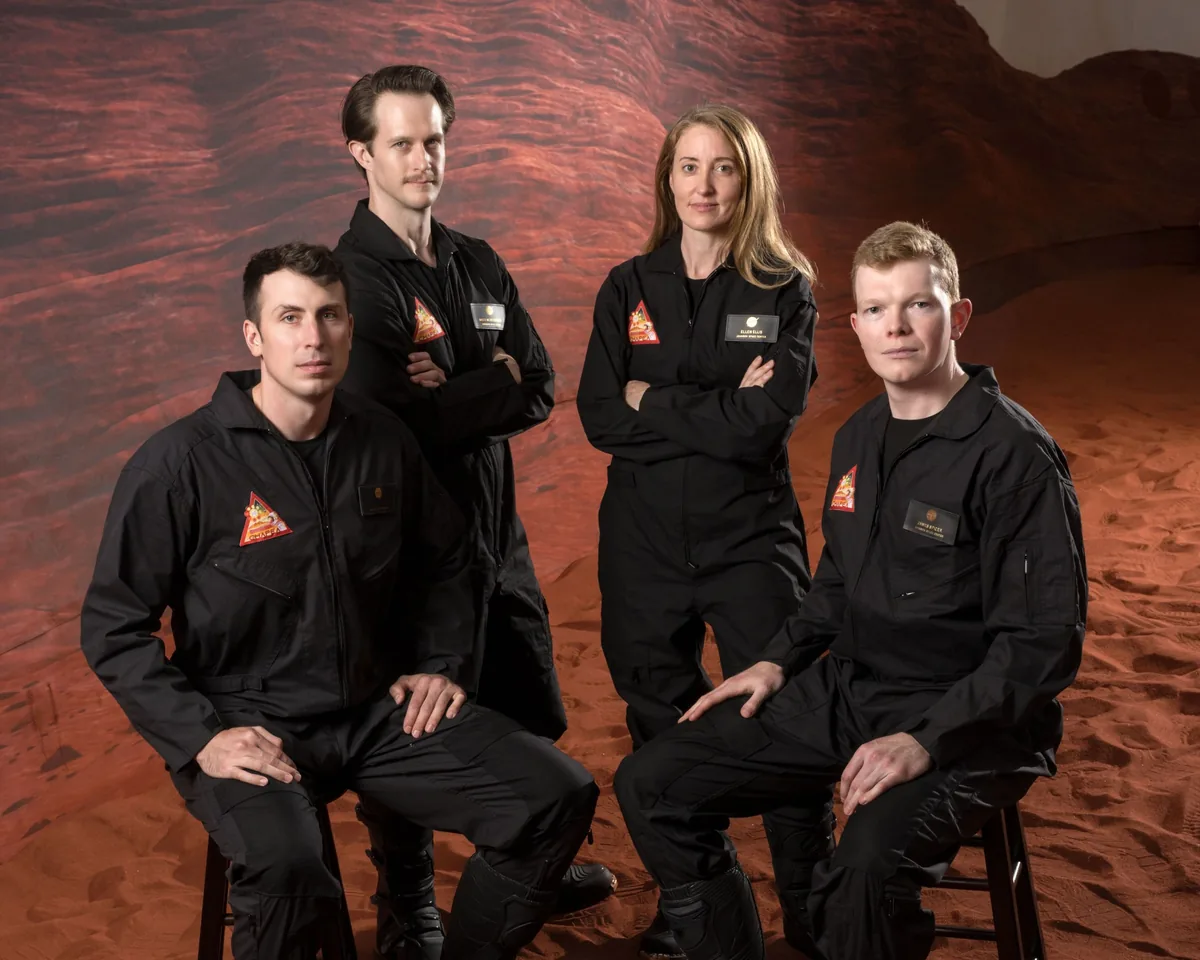
Completion of 378 Days of Simulated Mars Isolation
NASA has reached the culmination of an ambitious long-duration mission simulation designed to prepare for future human exploration of the Red Planet. Four dedicated volunteers who lived and worked inside a specialized habitat for more than a year will conclude their mission on Saturday, Oct. 31. The crew spent 378 days in rigorous isolation within a specialized facility located at NASA's Johnson Space Center in Houston, prompting the agency to invite media to document their scheduled exit.
Health and Performance Monitoring in Habitat Quarters
Throughout the extensive simulation, the four crew members operated under constraints designed to closely mimic conditions on the Martian surface. Living and working in closed quarters required managing mission tasks, resource limitations, and communications typical of an interplanetary outpost.
Researchers systematically monitored the crew, collecting comprehensive health and performance metrics over the course of the 378 days. These datasets provide valuable insight into physiological well-being, psychological resilience, and team dynamics during prolonged periods of isolated confinement.
Paving the Way for Future Planetary Exploration
The health and operational findings acquired from this simulated mission will serve as an essential cornerstone for NASA's mission planners. Analyzing how the crew maintained productivity and well-being will directly aid in developing countermeasures, operational protocols, and life-support strategies necessary to protect astronauts on genuine crewed voyages to Mars.
Comments
Loading comments...