Space Simulation in an Underwater Environment
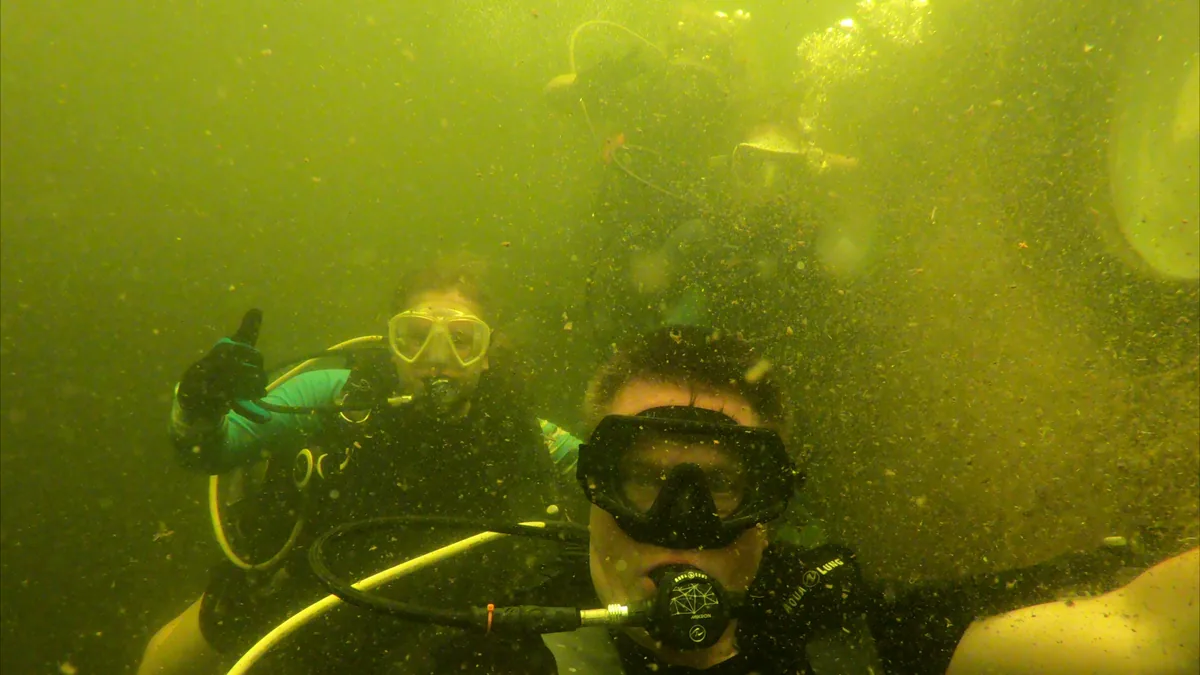
Space agencies and researchers continually utilize extreme terrestrial environments as analog proving grounds to prepare for future orbital and planetary exploration. In this context, Analog Astronaut Commander and Aquanaut Michaela Musilova led an underwater mission featuring simulated spacewalks. The underwater medium provides an ideal testing environment to replicate microgravity dynamics, physical constraints, and the physiological demands of extravehicular activities.
Low-Visibility Operations and Safety Protocols
The operational trials specifically focused on navigating low-visibility underwater environments. Such challenging conditions mimic severe space scenarios, including blinding dust storms on planetary surfaces or operations within permanently shadowed craters. Musilova led the evaluation of astronaut safety protocols and mission communication procedures to ensure operations remain robust under sensory limitations.
When visual cues are diminished, maintaining precise, uninterrupted communication protocols between crew members becomes paramount. The underwater simulation allowed the team to systematically assess emergency response pathways, situational awareness protocols, and the resilience of mission procedures when ambient visibility drops significantly.
Implications for Future Crewed Missions
Insights gained from these simulated spacewalks provide valuable real-world data for refining operational protocols on future exploration missions. By understanding how communication links and safety procedures hold up in disorienting, low-visibility conditions, mission planners can develop safer and more resilient operational frameworks for future human space exploration.
Comments
Loading comments...