A New Milestone for the Euclid Mission
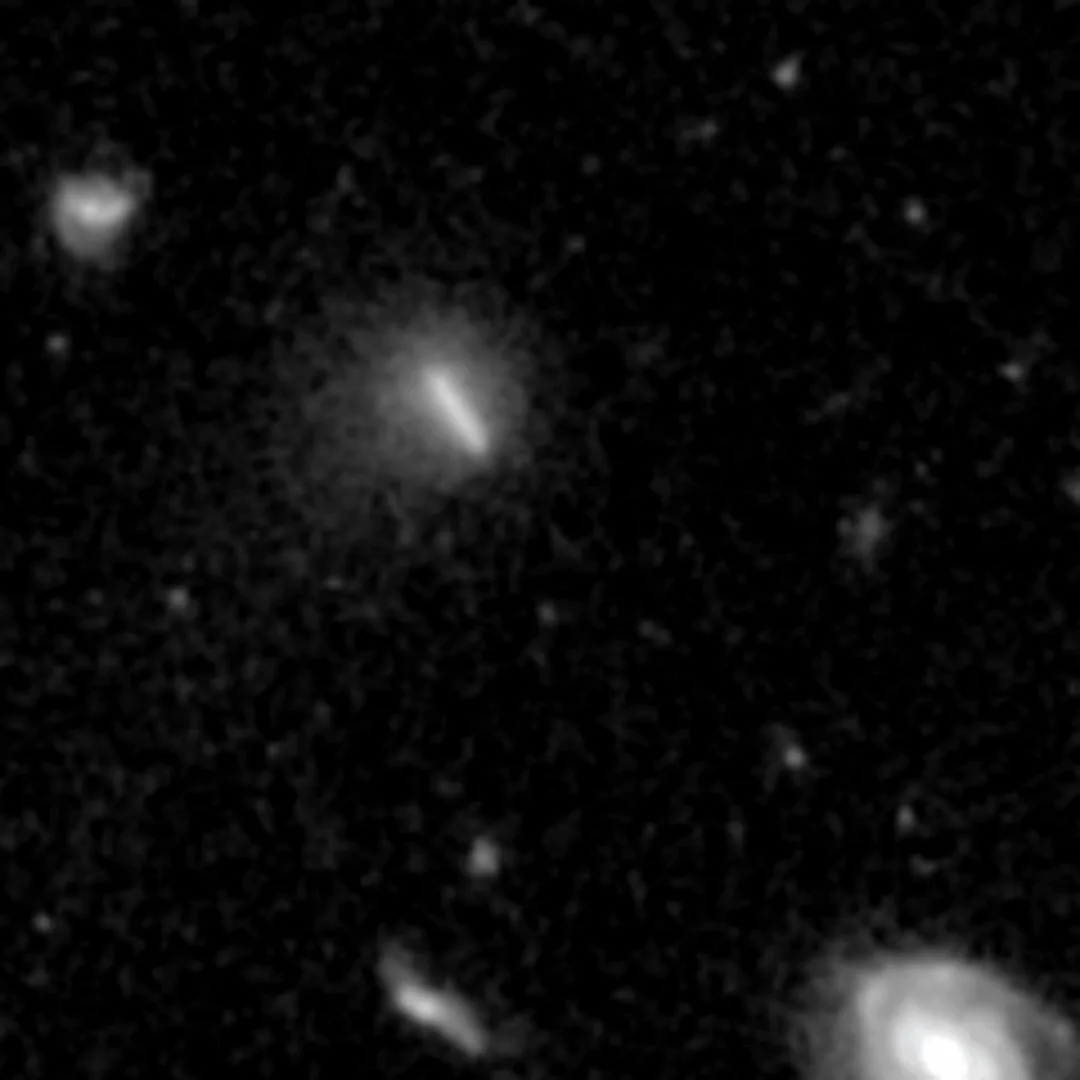
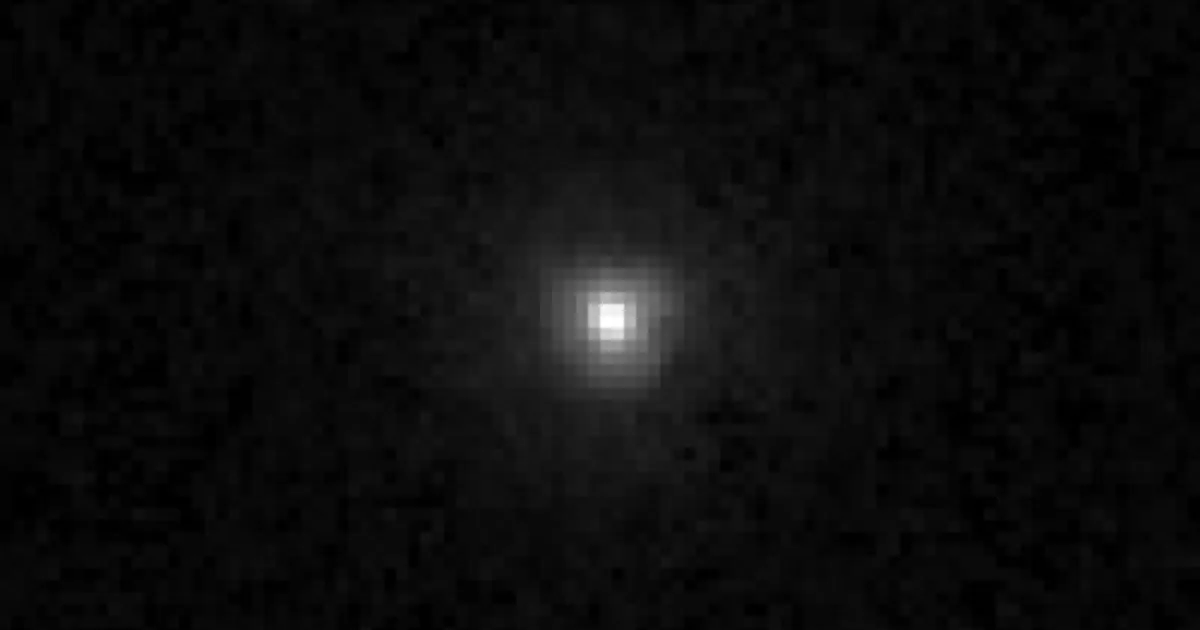
The European Space Agency's (ESA) Euclid space telescope, primarily designed to map the geometry of the dark Universe, has unveiled an unexpected celestial traveler. Astronomers processing the mission's wide-field observations identified a previously unknown comet. ESA scientists confirmed that this marks the very first newly discovered comet credited to the Euclid space observatory.
Observation Details and Imaging Timeline
The comet was detected within observation data captured between 16 and 24 September 2026. Euclid's wide-angle survey capabilities and sensitive imaging instruments allowed researchers to spot the faint, moving body against the dense backdrop of distant stars and galaxies, proving the observatory's effectiveness in tracking dynamic foreground targets within the Solar System.
Scientific Implications for Small-Body Studies
While Euclid's primary cosmology objectives focus on dark energy and large-scale cosmic structure, this discovery highlights the telescope's immense potential for planetary science and small-body inventories. Further orbital analyses and observations will help astronomers characterize the comet's trajectory and integrate its properties into existing models of Solar System evolution.

Comments
Loading comments...