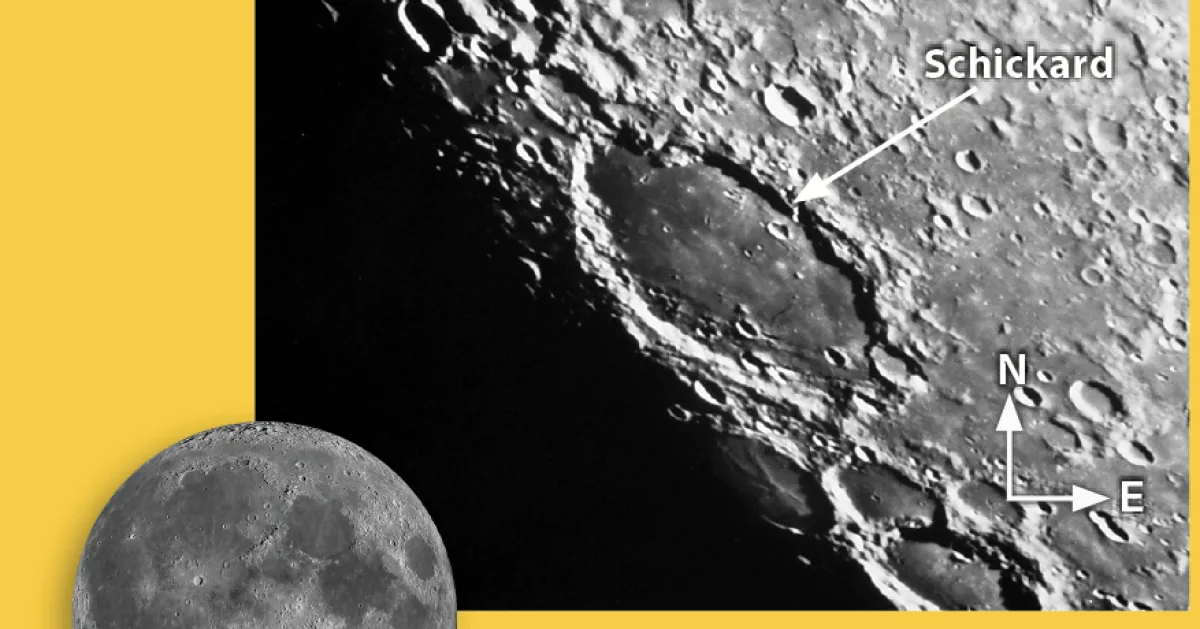
Observation Timing and Lunar Position
During this period of November, skygazers are presented with notable observational opportunities. With the Moon positioned close to its full phase, the western limb of our natural satellite comes into clear view as the Sun rises across the lunar landscape. The angle of sunlight at this phase allows surface features to be observed with distinct clarity.
Details on Schickard Crater and Mercury
Located in the southwestern region of the Moon, the large, flat-floored crater Schickard becomes the primary target of interest during this viewing window. As sunlight illuminates the crater floor and walls, Schickard stands out prominently. Additionally, as of November 21, Mercury reaches a position far west of the Sun, creating favorable viewing conditions for observers.
Scientific Significance and Viewing Opportunities
Observing large, flat-floored craters as the Sun rises over the lunar terrain offers a valuable visual experience for both amateur and professional astronomers. The changing shadows across the lunar landscape alongside Mercury's location west of the Sun mark the key events of this week's astronomical calendar.
Comments
Loading comments...