Spooky-Named Species and Naming Background
Throughout natural history, scientists and explorers have often drawn inspiration from physical appearances, hunting behaviors, or mysterious habitats when naming newly discovered species. Animals with eerie titles such as goblin sharks, ghost crabs, and vampire bats serve as striking examples of this taxonomic tradition.
The origins behind these unique names encompass fascinating stories from both evolutionary biology and etymology.
Examination of Physical Traits and Behavioral Patterns
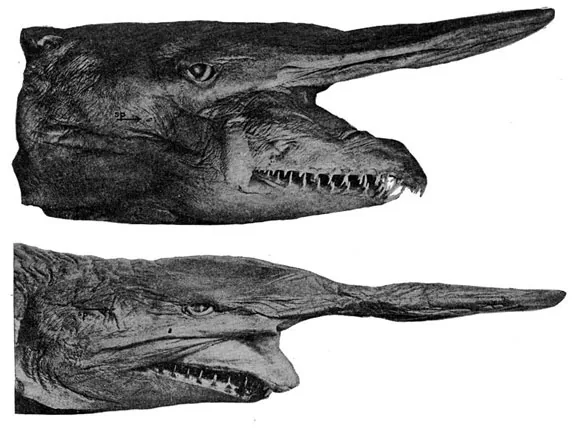
Deep-sea goblin sharks earned their name due to their protruding jaws and uncanny appearance, while ghost crabs were named for their pale coloration and swift, almost invisible movements along sandy beaches. Vampire bats were linked to mythical legends owing to their obligate hematophagous feeding habits.
Scientific analyses demonstrate that these extraordinary physical and behavioral adaptations provide critical evolutionary advantages for survival in challenging environments.
Diversity of the Animal Kingdom and Future Studies
Studying such captivating species underscores the vast biological diversity and adaptive capacity found in nature. The popular names given to these animals also play a vital role in fostering public interest in science and conservation efforts.
Researchers continue to conduct field and laboratory studies to better understand the ecological roles and behavioral traits of these unique organisms.




Comments
Loading comments...