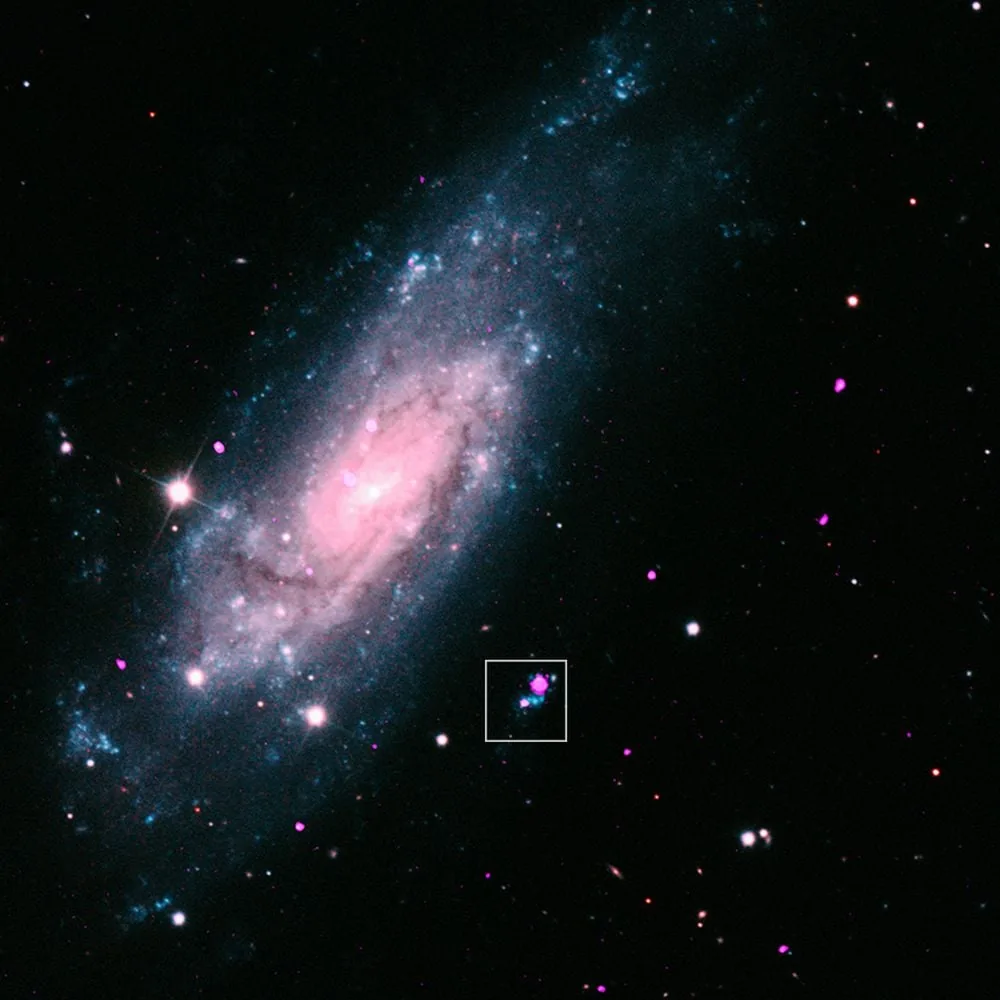
Supernova Impostors and Luminous Blue Variables
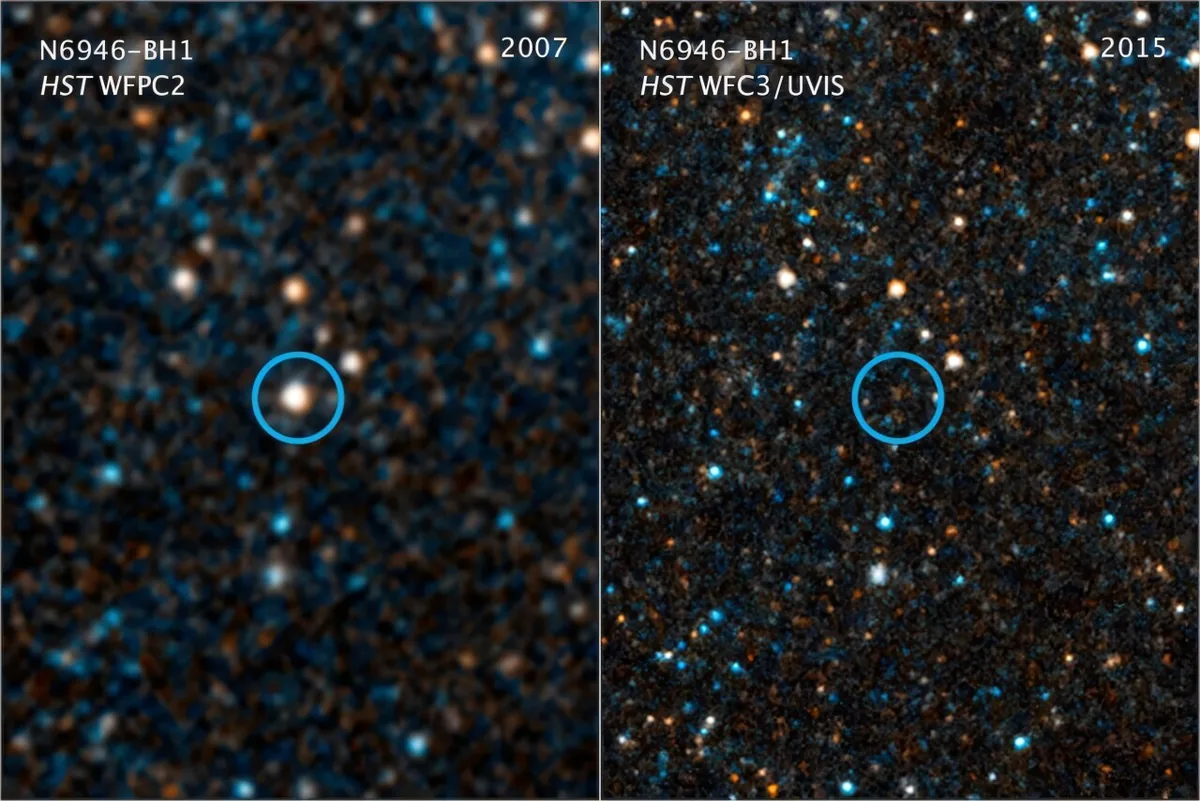
Massive stars known as Luminous Blue Variables often mimic real supernovae due to their immense violent eruptions. Unlike actual supernovae that explode once and are permanently destroyed, these unique stars undergo repeated, periodic outbursts. New research conducted with the Chandra X-Ray Observatory has now shed light on the driving mechanism behind these so-called supernova impostors.
Chandra Observations and Binary Dynamics
Data and spectral measurements collected by the Chandra X-Ray Observatory revealed that one of these impostor stars is part of a binary system. The research shows that the star orbits alongside a compact companion—either a black hole or a neutron star. The intense gravitational interactions between the two objects trigger periodic mass transfers and energy releases, explaining the observed recurring outbursts.
Impact on Stellar Evolution and Astrophysics
This discovery carries significant scientific importance for understanding the evolutionary pathways of massive stars in binary systems. Demonstrating that periodic impostor outbursts can be driven by a compact companion provides a clearer framework for classifying variable stellar eruptions. Astronomers plan to conduct further observations using Chandra and complementary telescopes to trace the ultimate fate of such high-energy binary systems.
Comments
Loading comments...