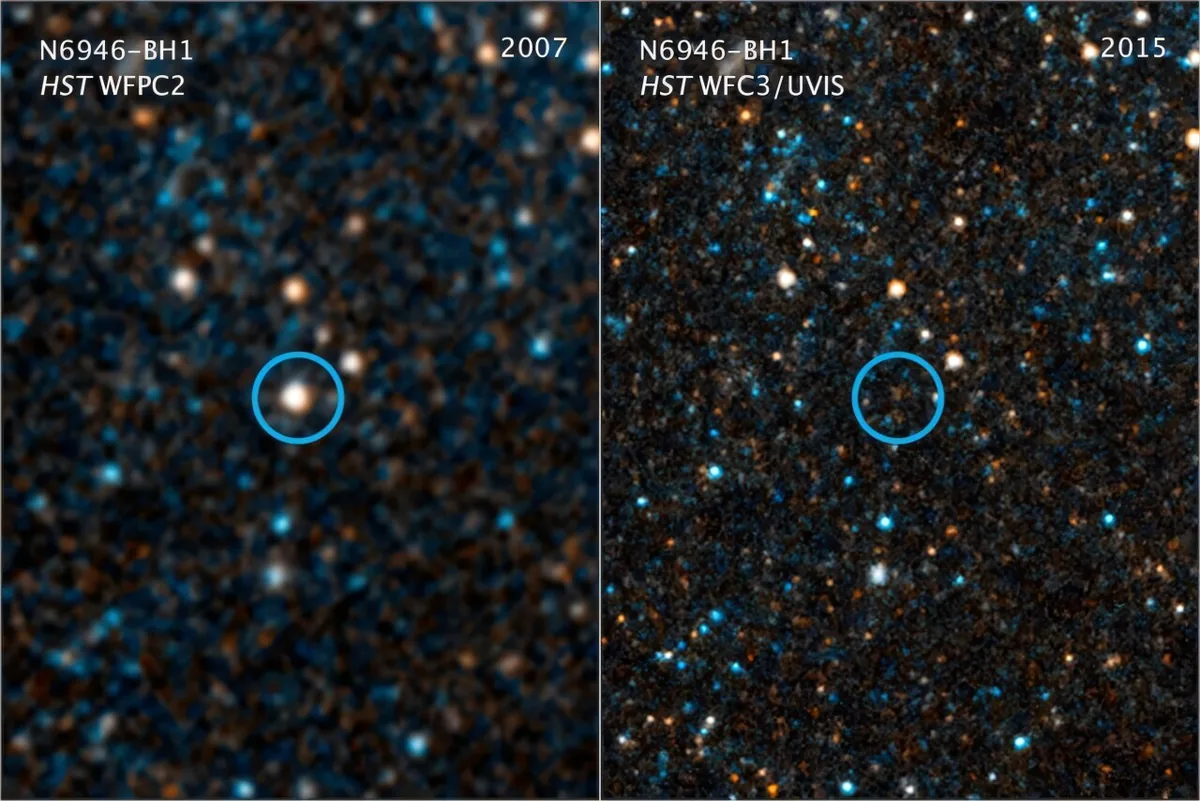
Stellar Deaths and the Direct Collapse Hypothesis
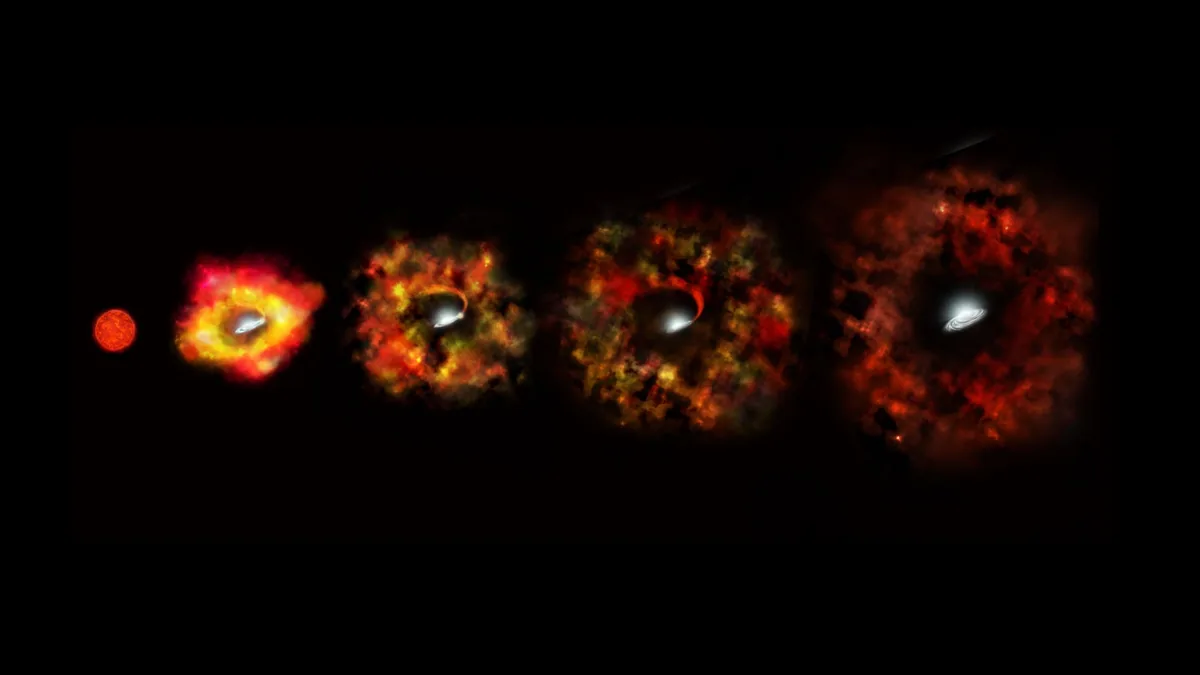
When the most massive stars in the universe reach the end of their lives, they typically detonate in violent supernovae, expelling most of their matter into space. The remaining stellar core collapses into a neutron star or black hole. However, recent gravitational wave data supports theories suggesting that some massive stars may die quietly without an explosion, collapsing directly inward instead.
Gravitational Wave Measurements and Technical Analysis
Gravitational wave detectors, which measure ripples in space-time, were used to search for footprints of unexploded collapsing stars. When a supernova fails to detonate, outer layers are not blasted into space; instead, the stellar matter is drawn directly inward to form a neutron star or black hole. These silent collapse processes leave unique signatures in gravitational wave signals.
Impact on Astrophysics and Stellar Evolution Models
Confirming black hole formation via failed supernovae has profound implications for theories of stellar evolution and mass distribution. These findings help explain how the universe's black hole population might form through alternative pathways. Scientists aim to detect more of these direct collapse events with future gravitational wave observations to clarify stellar death mechanisms.
Comments
Loading comments...