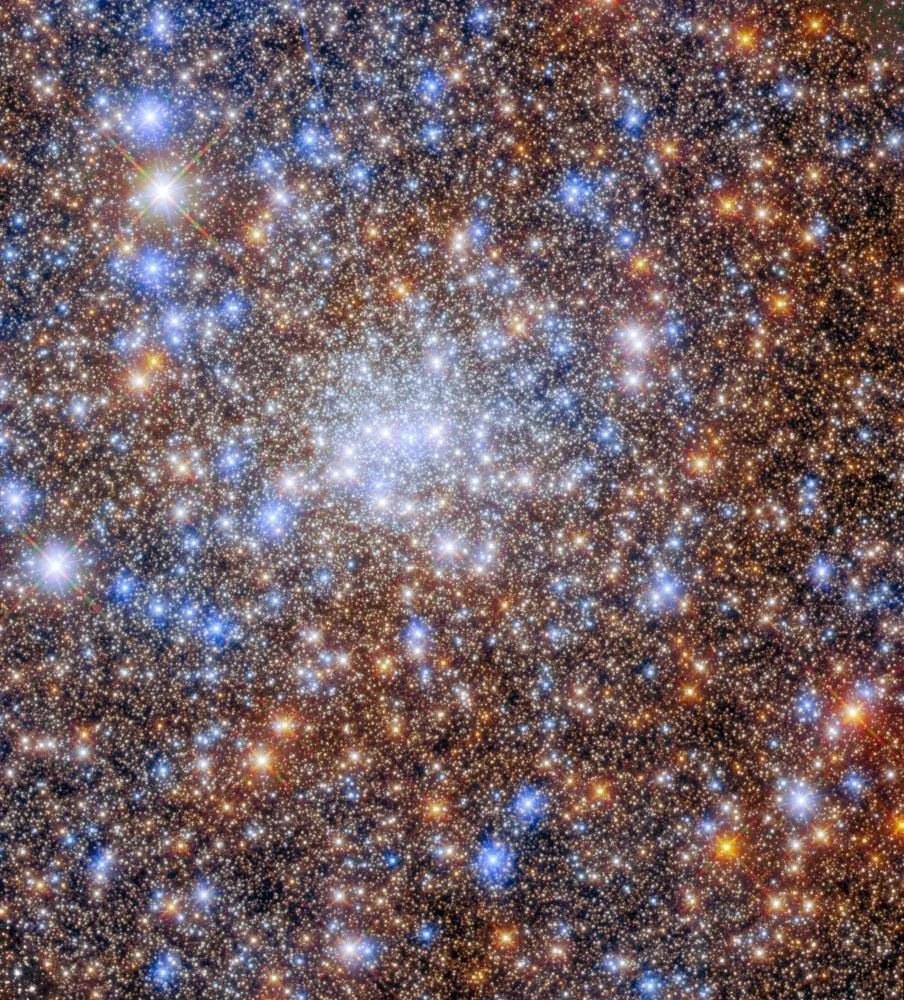
Dense Stellar Environments in the Early Universe
In the early stages of cosmic history, dense stellar environments were far more common than what is typically observed in modern galaxies. Because stars were packed closely together in these primordial clusters, gravitational interactions and physical collisions occurred at a substantially higher rate. Rather than merely perturbing each other's orbits, these close encounters frequently fostered direct mergers between stellar bodies.
From Giant Mergers to Massive Black Hole Seeds
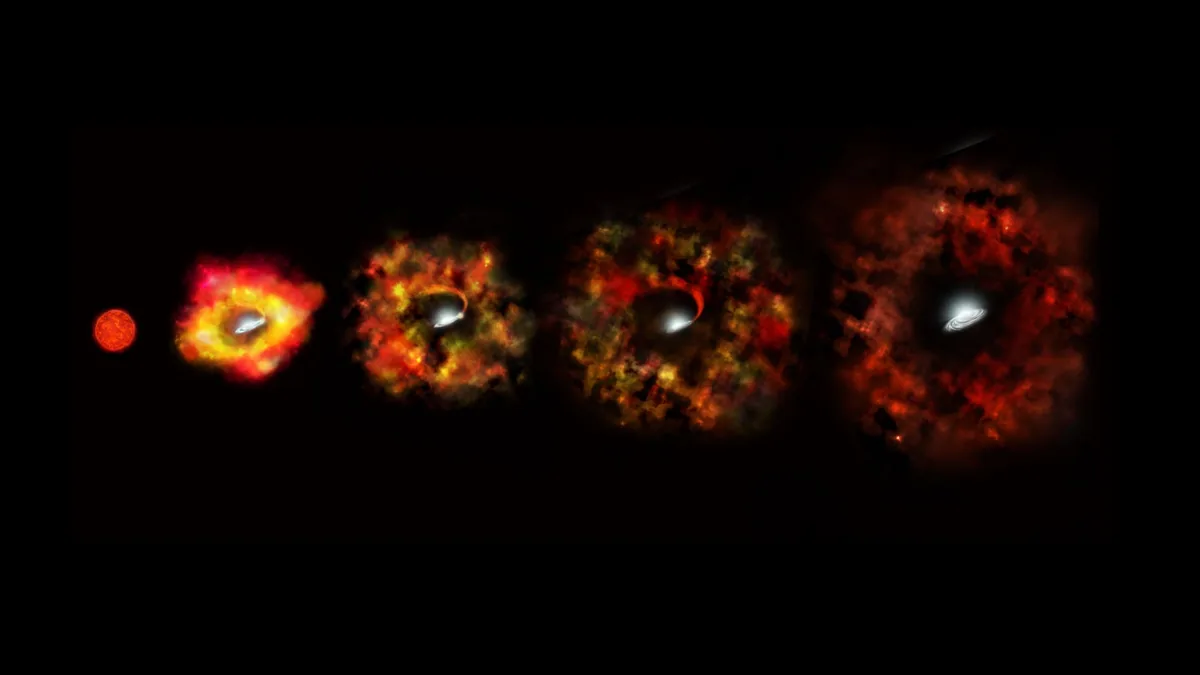
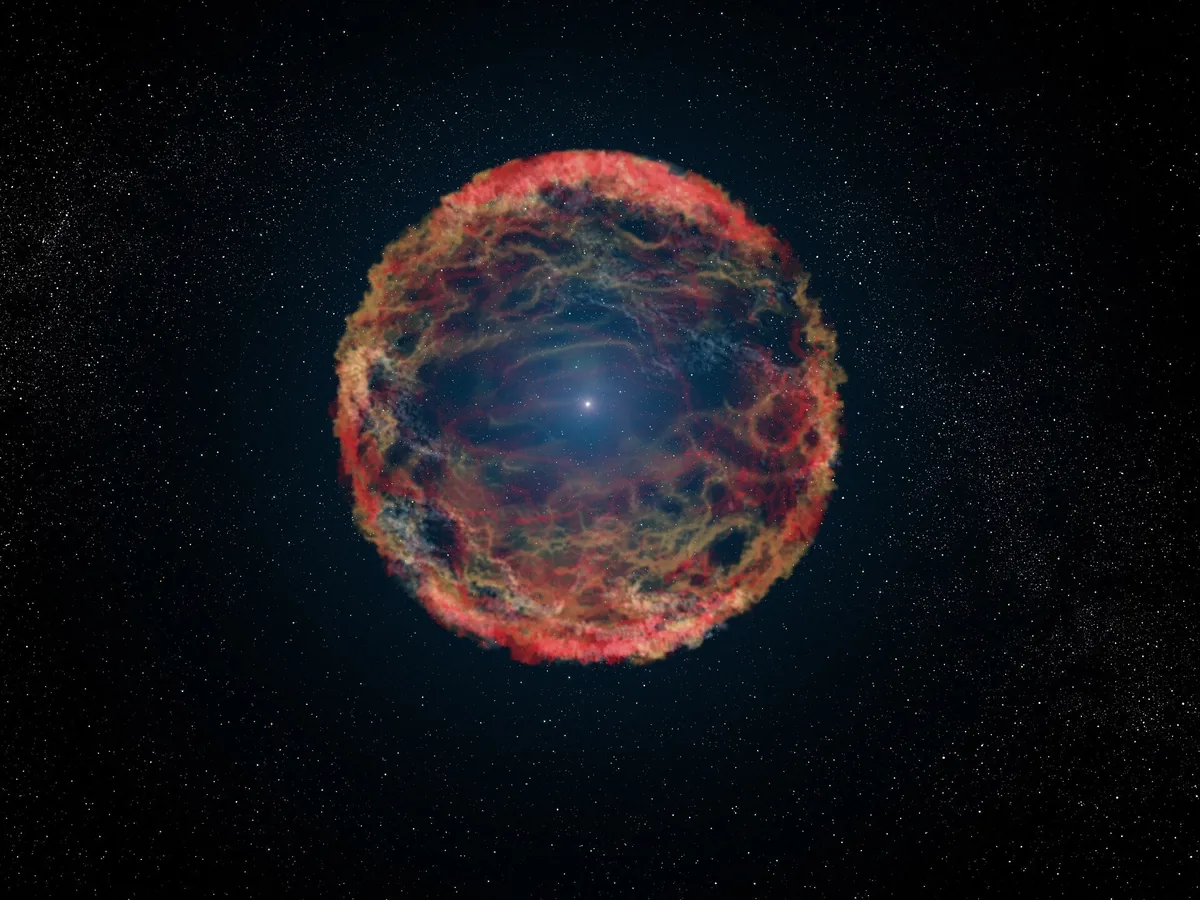
These energetic collisions led to mergers that formed exceptionally massive stars. Such oversized stars lived extremely short and intense lives before ending in catastrophic supernova explosions. Instead of leaving behind ordinary stellar-mass remnants, the collapse of these colossal objects produced massive black holes, setting up unprecedented reservoirs of compact mass in the young Universe.
A Compelling Mechanism for Black Hole Growth
These massive remnants served as the essential seeds for the formation of today's supermassive black holes. By starting with substantial seed masses produced through runaway stellar collisions, the theoretical hurdle of growing billion-solar-mass objects in a relatively short timeframe becomes far easier to reconcile within prevailing cosmological models.
Comments
Loading comments...