The Future of Aerial Exploration on Mars
Building on the pioneering success of aerial flight on the Red Planet, NASA researchers are laying the technical foundation for next-generation rotorcraft. These future exploration vehicles are being conceptualized to operate at greater altitudes, cover larger operational ranges, and conduct sophisticated in-situ scientific research across varied Martian terrains.
High-Fidelity Simulations and Wind Tunnel Testing
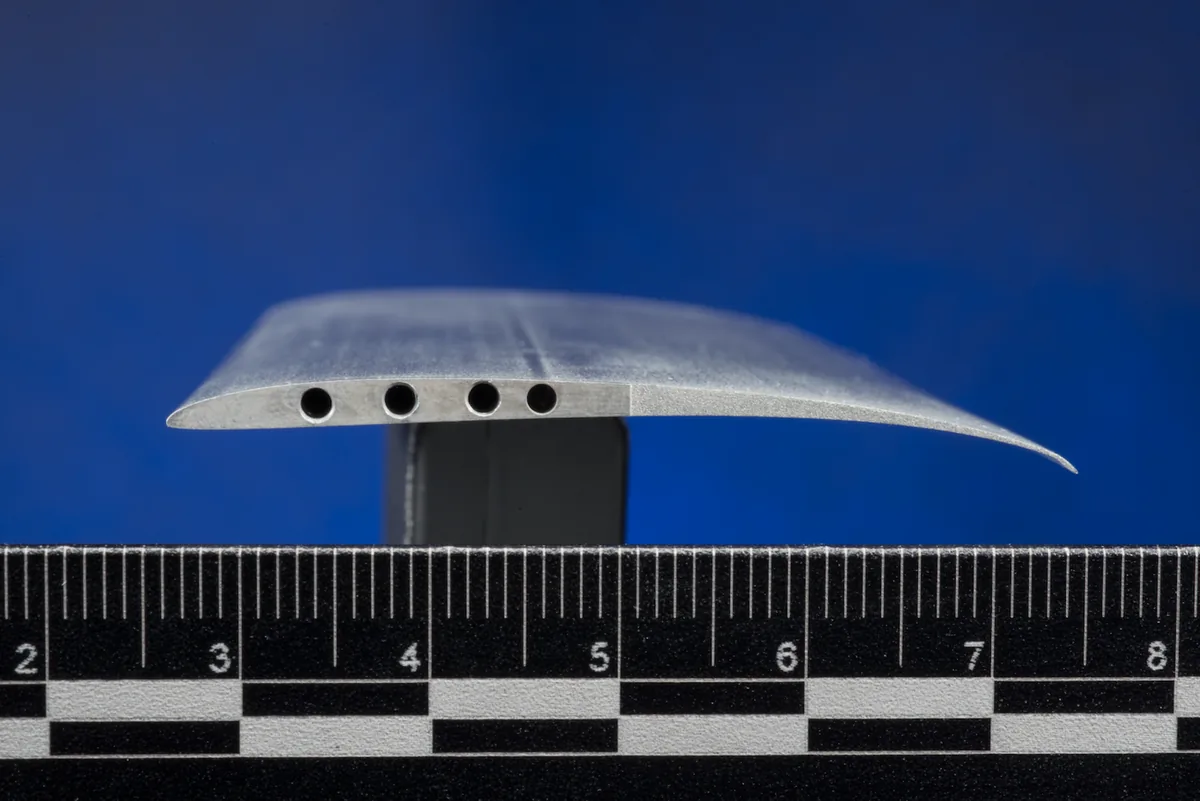
Generating sufficient aerodynamic lift within Mars's thin carbon-dioxide atmosphere requires radical departures from conventional terrestrial blade engineering. NASA engineers are utilizing advanced computational fluid dynamics simulations alongside controlled wind tunnel experiments to optimize blade curvature, mass distribution, and rotational efficiency under simulated low-pressure conditions.
Expanding the Horizons of Planetary Science
The realization of these novel blade geometries will significantly enhance the operational footprint of future airborne missions on Mars. Rotorcraft equipped with these technologies will be capable of ascending steep crater rims and navigating jagged terrain inaccessible to rovers, providing planetary scientists with unprecedented perspectives and valuable geologic data.

Comments
Loading comments...