Background of the Experimental Launch Mission
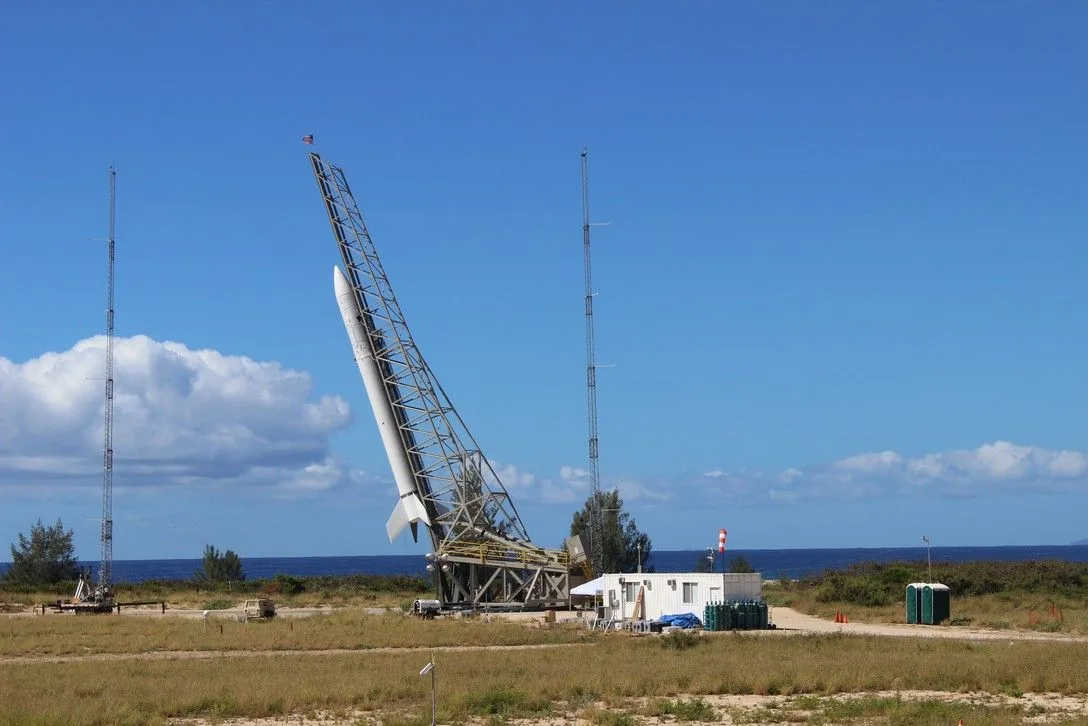
The United States Air Force initiated an experimental rocket effort to test novel capabilities for placing payloads into orbit. Among these developments was the Super Strypi rocket, a unique rail-launched system designed to explore faster and potentially more flexible launch procedures. The primary objective of this mission was to demonstrate the feasibility of deploying small satellites into low Earth orbit using rail-launch technology. However, during its debut launch attempt on November 4, 2015, the rocket encountered critical issues immediately after liftoff, preventing it from completing its inaugural mission.
Super Strypi Liftoff and Payload Details
On November 4, 2015, the United States Air Force conducted the debut launch of the experimental Super Strypi rocket from a test site located in Hawaii. The primary payload carried on board consisted of 13 tiny satellites intended for various research and operational tests. Shortly after liftoff from the Hawaii launch facility, the Super Strypi rocket suffered a catastrophic failure. The vehicle lost control shortly into flight, resulting in the loss of all 13 small satellites on board before any of them could reach orbit or begin operations.
Scientific Significance and Future Launch Impacts
Although the initial launch attempt of the Super Strypi rocket ended in failure, experimental missions of this nature provide crucial operational and technical insights for space programs. The flight demonstrated the technical challenges associated with scaling up rail-launched rocket configurations and deploying multiple small satellite payloads simultaneously. Data gathered during the brief flight offers engineers and researchers valuable information to refine future space launch concepts, payload integration techniques, and small satellite deployment strategies.


Comments
Loading comments...